Dubai’s dining scene extends far beyond luxury hotels and celebrity restaurants. A search for a local food point in Dubai may lead you to an Emirati breakfast in Al Fahidi, spiced seafood near Jumeirah, Persian kebabs in Bur Dubai or Pakistani curries in Satwa.
For traditional UAE cuisine, begin with an Emirati restaurant such as Arabian Tea House, Al Fanar or Al Khayma. To understand the wider food culture of the city, include the independent restaurants that have served Dubai’s multicultural communities for decades.
Information and menu prices in this guide were checked on 22 August 2026. Restaurants may change their opening hours, menus and prices, particularly during Ramadan and public holidays.
Quick Guide to Local Food Points in Dubai
| Place | Area | Type of food | What to consider ordering | Suitable for |
| Arabian Tea House | Al Fahidi | Traditional Emirati and Arabic | Balaleet, chebab, harees, machboos | Heritage breakfast |
| Al Fanar Restaurant & Cafe | Al Seef, Al Barsha or Festival City | Emirati | Machboos, jesheed, seafood, luqaimat | Families and first-time visitors |
| Al Khayma Heritage Restaurant | Al Fahidi | Emirati and Arabic | Meat machboos, chebab, grilled seafood | Old Dubai meal |
| SMCCU Cultural Meals | Al Fahidi | Hosted Emirati meal | Set dishes, Arabic coffee and dates | Food and cultural learning |
| Local House | Al Fahidi | Casual Emirati and Arabic | Rice dishes and available camel specialities | Informal heritage dining |
| Gerbou | Nad Al Sheba | Contemporary Emirati | Modern interpretations of local flavours | Special-occasion dining |
| Bu Qtair | Umm Suqeim | Spiced seafood | Fresh fish, prawns, rice or flatbread | Casual seafood |
| Al Ustad Special Kabab | Bur Dubai | Persian | Mixed kebabs, rice and grilled meat | Affordable group meal |
| Original Ravi Restaurant | Al Satwa | Pakistani | Curries, kebabs, biryani and bread | Budget-friendly local dining |
What Does “Local Food” Mean in Dubai?
Local food in Dubai has two connected meanings. The first is Emirati cuisine, the traditional food of the United Arab Emirates. It includes rice, seafood, meat, wheat, dates, local breads and fragrant ingredients such as saffron, cardamom and dried lime, known locally as loomi.
The second meaning covers the everyday food of Dubai’s resident communities. Pakistani curries, Persian kebabs, Palestinian falafel, Indian snacks and Kerala-style seafood have been part of the city’s dining landscape for many years. These dishes are not Emirati, but they are an important part of how people eat in modern Dubai.
Visitors looking specifically for national cuisine should prioritize Emirati restaurants. Those interested in the broader character of the city should combine at least one Emirati meal with a visit to Bur Dubai, Deira or Satwa.
Places to Eat Traditional Emirati Food in Dubai
1. Arabian Tea House, Al Fahidi
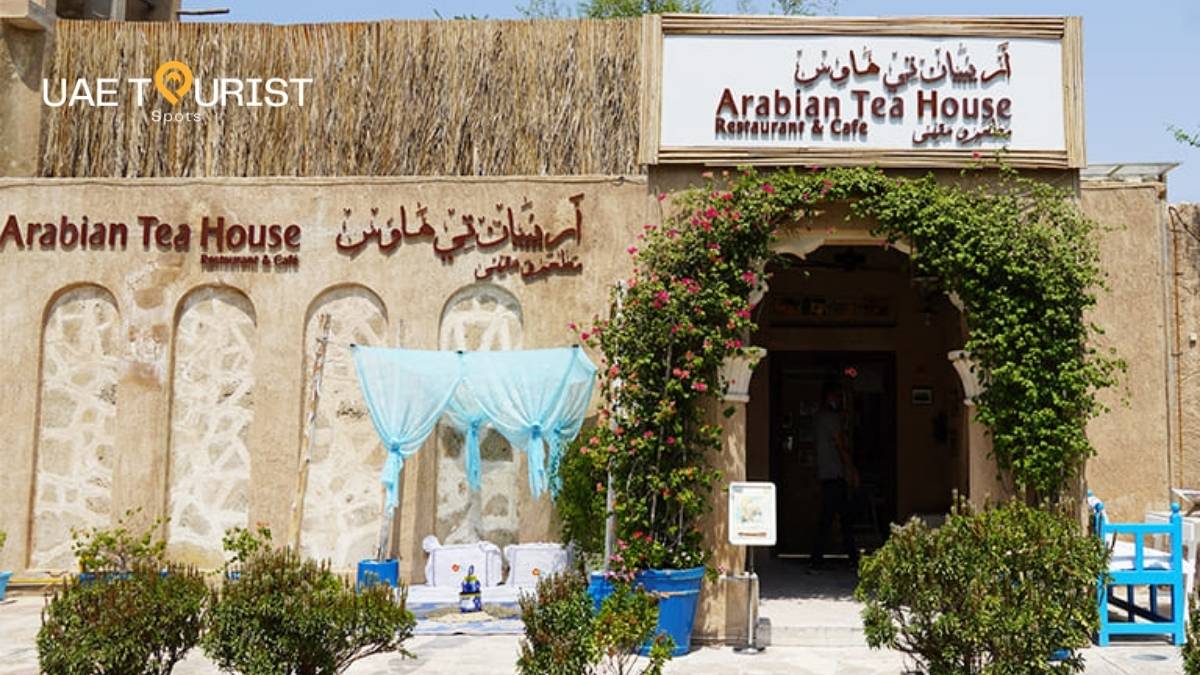
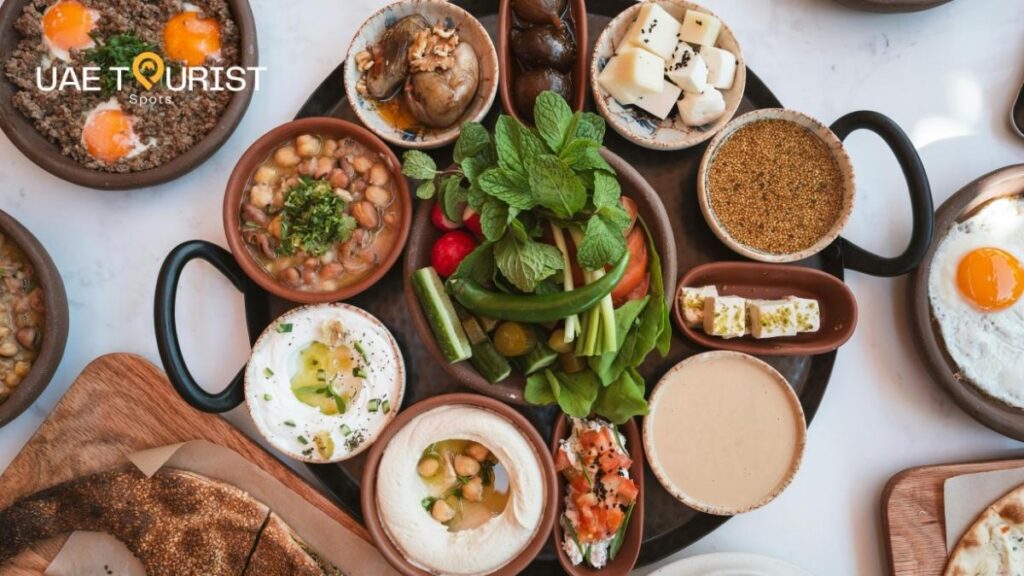
Arabian Tea House is a practical introduction to Emirati breakfast, especially if you are already planning to explore Al Fahidi Historical Neighbourhood. The Al Fahidi branch operates in a courtyard-style heritage setting and serves breakfast trays, local breads, rice dishes and traditional sweets.
Balaleet is a useful starting point. It combines sweet vermicelli seasoned with cardamom and cinnamon with an omelette. Other breakfast choices include chebab pancakes, khameer bread, raqaq bread and trays containing dango, a seasoned chickpea dish, and bajella, made with fava beans.
As of August 2026, the official Al Fahidi menu listed chebab bread at AED 34, balaleet with omelette at AED 36 and its special Emirati breakfast tray at AED 87. Chicken machboos was listed at AED 62, while lamb machboos was AED 76. The branch published daily opening hours of 7am to 11pm, but visitors should confirm them before travelling.
2. Al Fanar Restaurant & Cafe
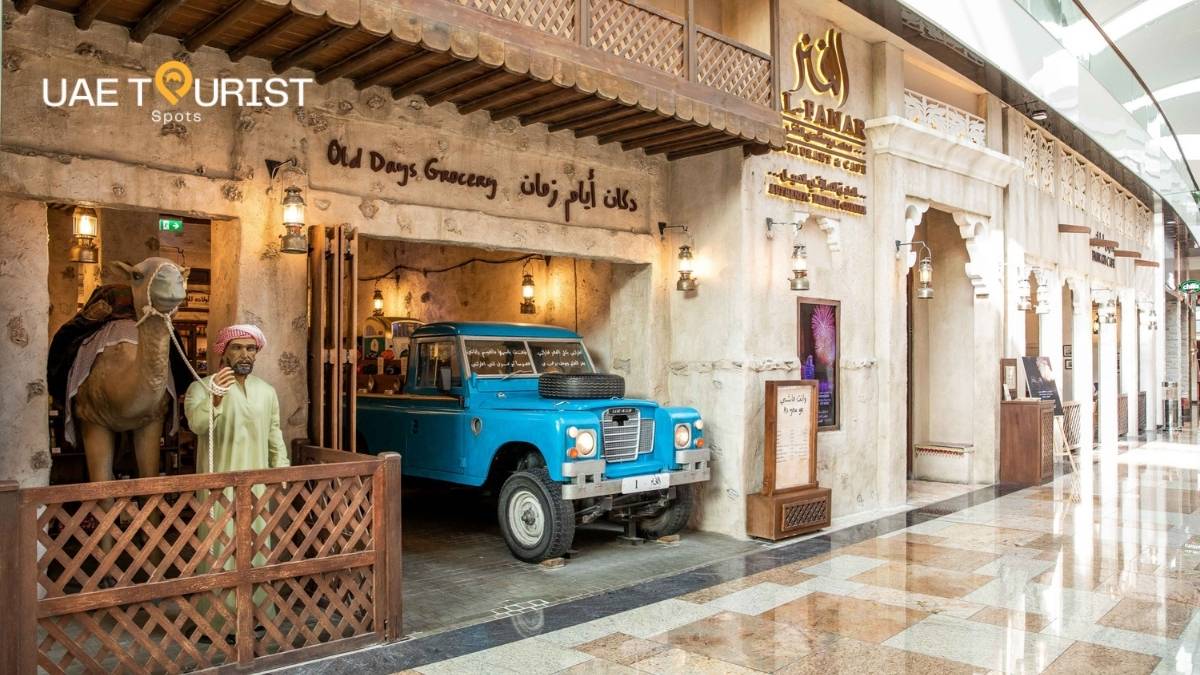
Al Fanar offers a broad Emirati menu in surroundings inspired by an earlier period of life in the UAE. Its Dubai locations include Al Seef, Dubai Festival City and Al Barsha Pond Park, allowing visitors to select a branch that fits their itinerary.
The Al Seef location is particularly convenient for a heritage-focused day because it sits beside Dubai Creek. Dishes highlighted by the restaurant include machboos, jesheed, seafood platters, luqaimat and karak tea. Jesheed is a seasoned shark dish traditionally served with rice, although availability can depend on the branch and menu.
Official information checked in August 2026 showed the Al Seef branch operating from noon to 11pm daily. Other branches follow different schedules, so check the selected location rather than relying on group-wide hours. Walk-ins are accepted, but the restaurant recommends reservations on weekends and holidays.
3. Al Khayma Heritage Restaurant
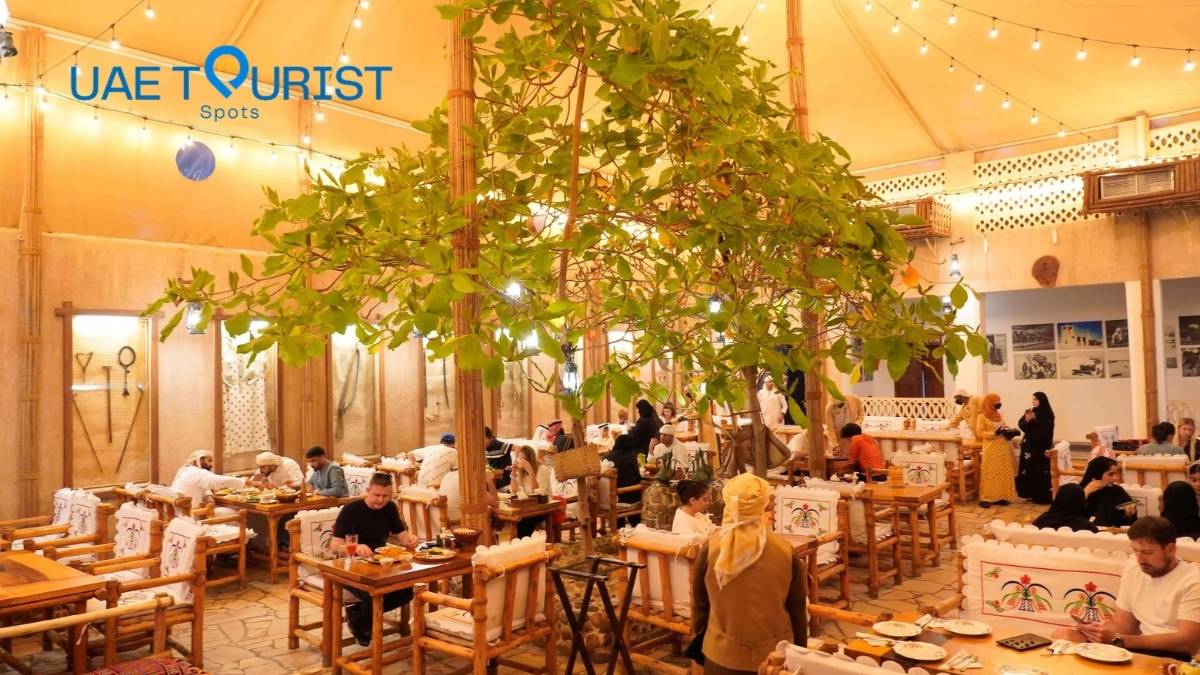
Al Khayma Heritage Restaurant is another convenient option inside Al Fahidi. Its menu combines Emirati breakfast dishes, rice-based mains, grilled meat and seafood in a traditional courtyard environment.
The official menu listed meat machboos at AED 79 when researched. This consists of lamb prepared with Emirati machboos spices and served with saffron rice. Chebab is a lighter option, while groups may prefer to share rice dishes, appetisers and seafood.
Al Khayma suits visitors who want to combine lunch or dinner with Al Fahidi’s lanes, galleries and heritage buildings. Although the restaurant serves all three main meals, current opening hours should be confirmed directly before visiting.
4. Sheikh Mohammed Centre for Cultural Understanding
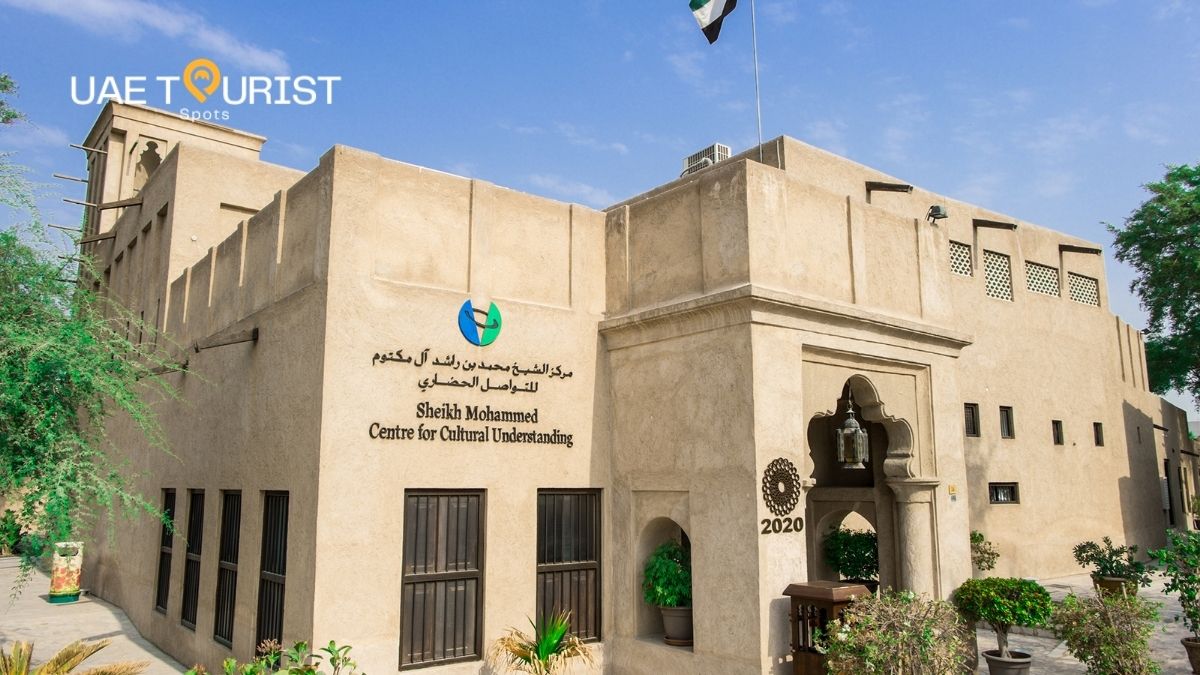
The Sheikh Mohammed bin Rashid Al Maktoum Centre for Cultural Understanding, commonly called SMCCU, provides a hosted cultural meal rather than a normal restaurant visit. Guests eat Emirati food in a traditional setting while a cultural presenter discusses UAE customs, hospitality and daily life.
Booking is required. As of August 2026, the official schedule listed:
- Cultural breakfast on Monday and Wednesday at 9am: AED 130 per person
- Cultural brunch from Friday to Sunday at 10:30am: AED 130
- Cultural lunch from Monday to Thursday at 1pm: AED 145
- Emirati tea-time experience on Tuesday at 1pm: AED 150
- Cultural dinner on Tuesday at 6:30pm: AED 160
The dishes may be served as a shared selection rather than chosen individually from a menu. This makes SMCCU more suitable for travellers interested in both cuisine and cultural context. During Ramadan, the programme and meal format can change.
5. Local House Restaurant
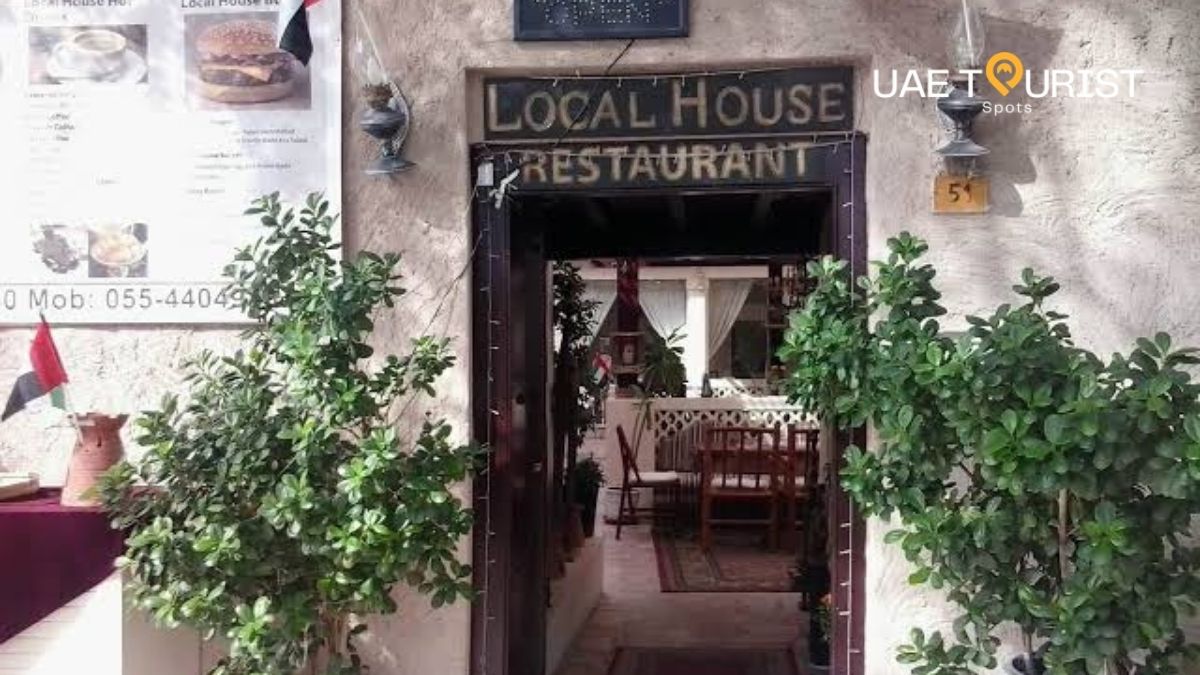
Local House is a casual dining option in Al Fahidi Historical Neighbourhood. It serves Emirati, Arabic and Middle Eastern dishes in an environment that fits naturally into an Old Dubai itinerary.
The restaurant has become associated with camel specialities, although availability should be checked rather than assumed. Visitors who do not want camel can choose from other meat, rice and Arabic dishes.
Local House is most useful for travellers who want an informal meal without committing to a scheduled cultural programme. Because its menu and operating information are less consistently published than those of larger restaurant groups, confirm the current details directly before arriving.
6. Gerbou, Nad Al Sheba
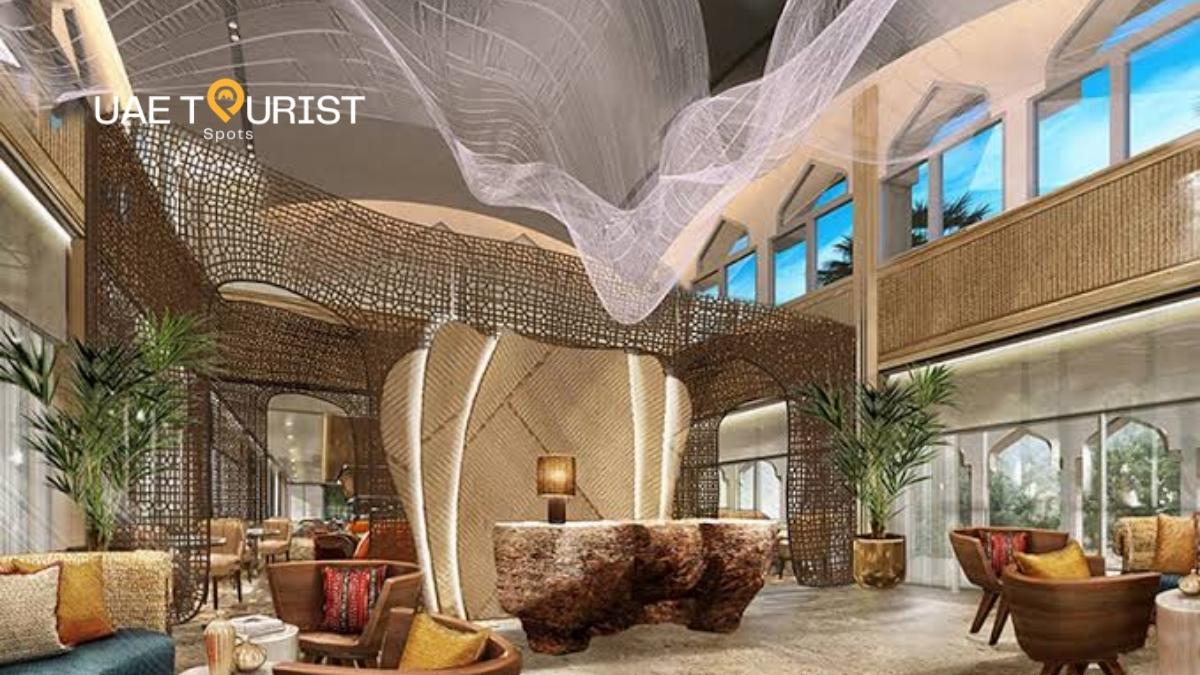
Gerbou presents Emirati flavours through a contemporary dining format. Located in Nad Al Sheba, it is designed for a longer, higher-spend meal rather than a quick Old Dubai food stop.
Its menu applies modern techniques to ingredients and dishes connected to regional cuisine. The restaurant also offers breakfast, with official hours showing 7am to 11am on weekdays and 8am to noon on weekends at the time of research.
Gerbou is away from the main Metro corridors, so a taxi or private car is usually more convenient. Reservations are sensible, particularly for dinner or a special occasion. Check the current menu before booking if you want a particular traditional dish, as contemporary menus may change more frequently.
Everyday Dubai Food Beyond Emirati Cuisine
7. Bu Qtair, Umm Suqeim
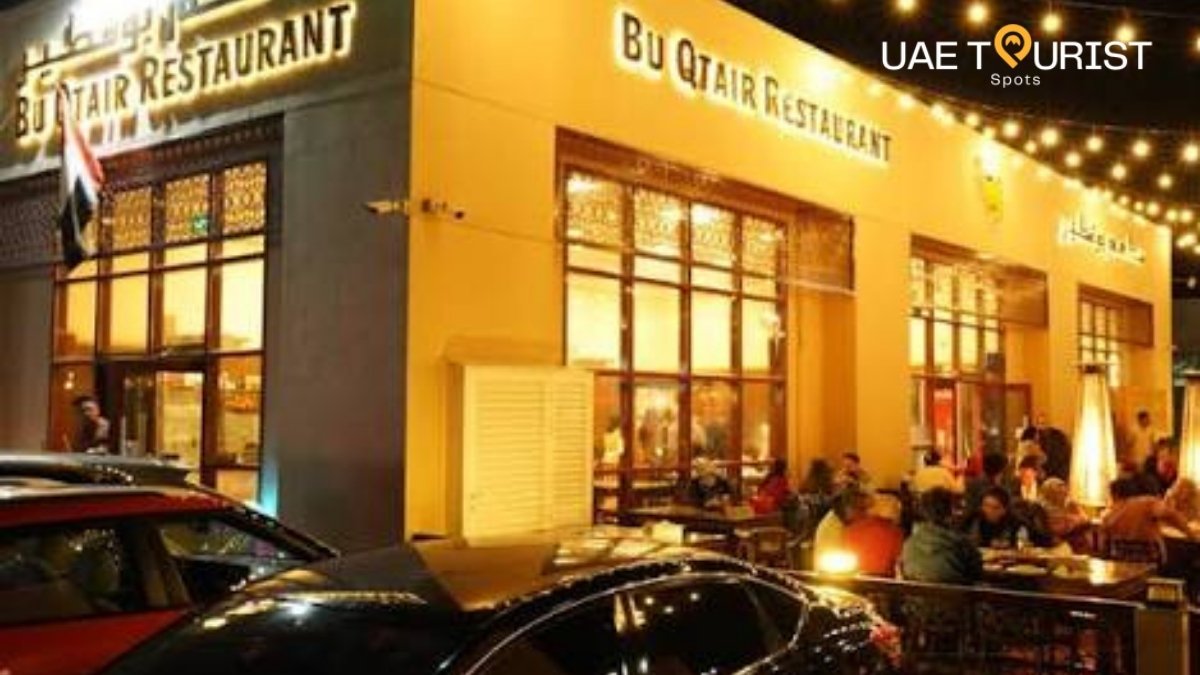
Bu Qtair is a casual seafood restaurant in Umm Suqeim. The focus is fresh fish and prawns cooked with a strong spice marinade and served with simple accompaniments such as rice or flatbread.
This is not a traditional Emirati restaurant. Its cooking has South Indian coastal influences, but the venue represents the multicultural, working-city side of Dubai’s food story. The informal setting is a sharp contrast to hotel dining and modern shopping-mall restaurants.
Fish selection and prices may vary according to the available catch and portion size. Ask for the total price before confirming the order, especially when choosing a whole fish or a large serving of prawns.
8. Al Ustad Special Kabab, Bur Dubai
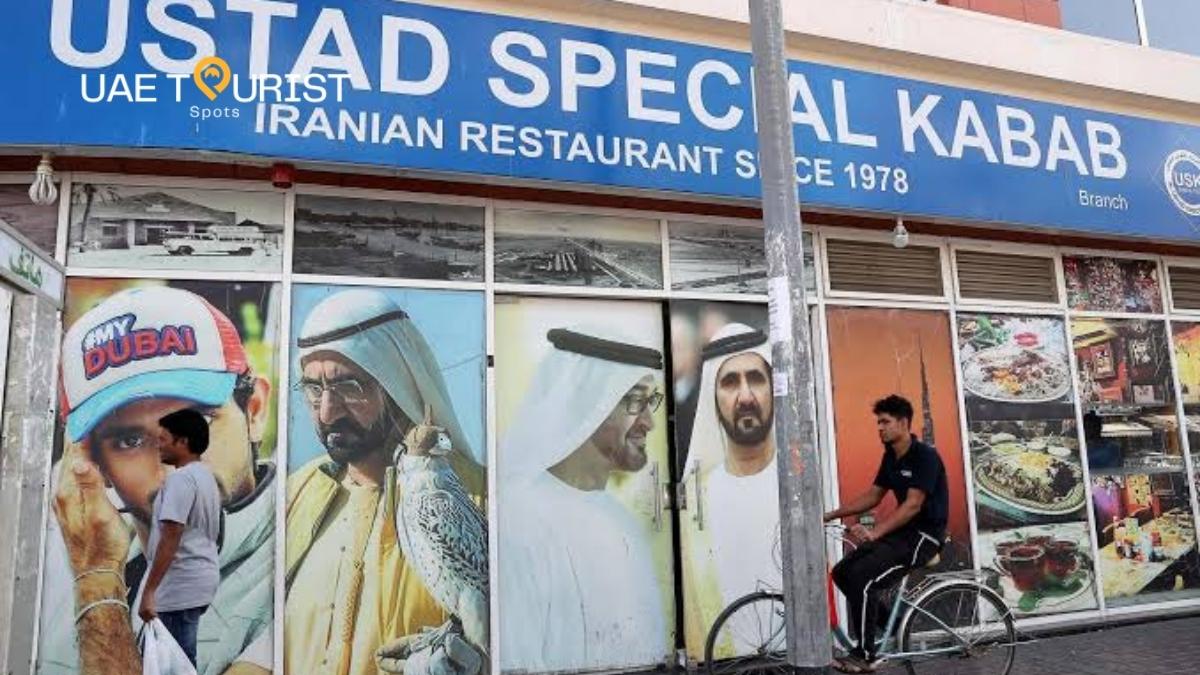
Al Ustad Special Kabab is a long-running Persian restaurant on Al Musalla Road in Bur Dubai, within easy reach of the Al Fahidi area. The walls covered with photographs are part of its informal character, while the food centres on grilled meat, rice and yogurt-based marinades.
A mixed kebab plate is a practical order for first-time visitors because it allows several preparations to be shared. The restaurant is usually better suited to meat eaters, although side dishes may provide limited meat-free choices.
Al Ustad works well as a lunch or dinner stop after exploring Al Fahidi, the Textile Souk or Dubai Creek. It is usually more affordable than heritage restaurants aimed mainly at visitors.
9. Original Ravi Restaurant, Al Satwa
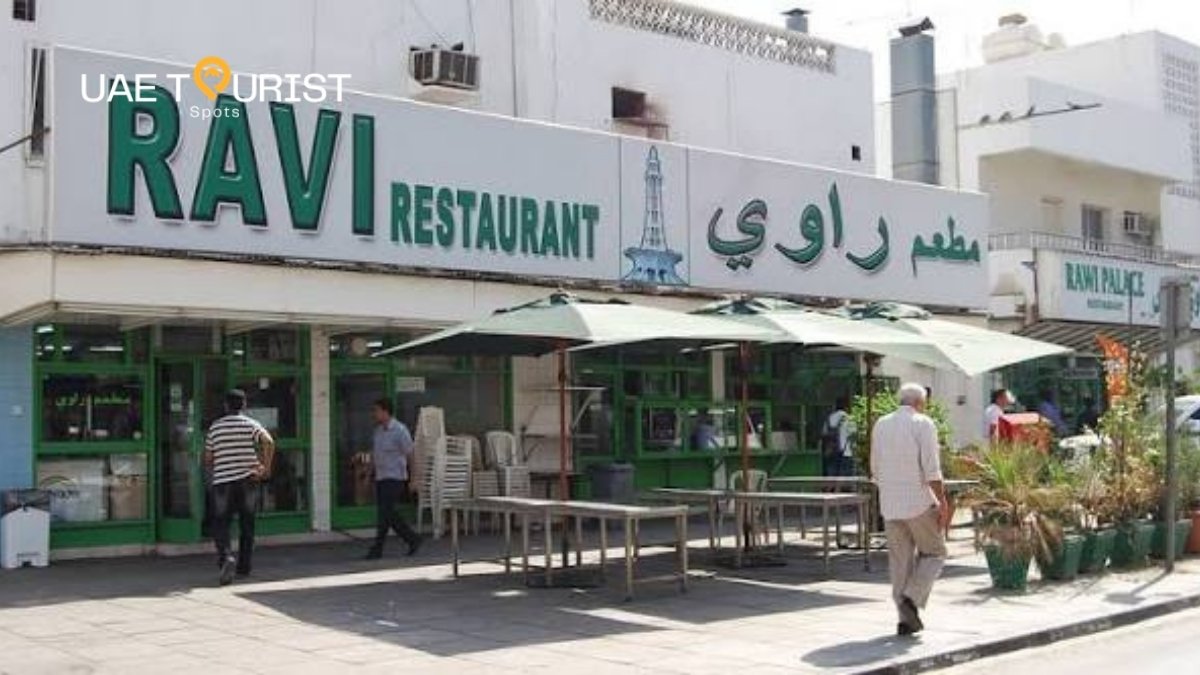
Ravi Restaurant in Al Satwa serves Pakistani curries, grilled meat, biryani, lentils and freshly prepared bread in a simple setting. It is a useful choice for travellers who want a filling meal without paying hotel or mall prices.
In August 2026, the original Satwa restaurant clarified that two other businesses using the Ravi name should not be treated as its current branches or affiliates. Travellers looking for the long-established restaurant should therefore check that they are visiting the original Satwa location.
Ravi is not an Emirati restaurant, but it reflects the South Asian communities that have shaped everyday life and food in Dubai. Ordering several curries, rice and bread for the table is generally more practical than selecting separate meals for every person.
Emirati Dishes Worth Knowing
| Dish | What it is | When to order it |
| Machboos | Fragrant rice cooked with Gulf spices and meat, chicken, fish or prawns | Lunch or dinner |
| Harees | Wheat slow-cooked with meat or chicken until it develops a soft texture | Starter, side or shared dish |
| Thareed | Meat or vegetable stew served with thin bread that absorbs the broth | Lunch or dinner |
| Saloona | Tomato-based stew made with vegetables and sometimes meat, chicken or fish | Comforting main course |
| Balaleet | Sweet vermicelli flavoured with spices and commonly topped with egg | Breakfast |
| Chebab | Emirati pancakes commonly served with cheese, honey or date syrup | Breakfast or snack |
| Khameer | Soft, lightly sweetened local bread served with cheese or date molasses | Breakfast |
| Raqaq | Very thin Emirati bread that may be served with egg, cheese or fish sauce | Breakfast or light meal |
| Luqaimat | Small fried dumplings served with date syrup or another sweet topping | Dessert |
| Gahwa | Light Arabic coffee, commonly served in small cups with dates | Before or after a meal |
Emirati food is fragrant rather than automatically chilli-hot. Dried lime, cardamom, saffron, cinnamon and other spices provide much of the flavour. Anyone sensitive to heat should still ask about individual sauces and marinades.
How Much Does Local Food Cost in Dubai?
The cost depends more on the type of venue than on the cuisine. A small cafeteria, kebab restaurant or Pakistani dining room may cost considerably less than a heritage restaurant, hosted cultural meal or contemporary Emirati venue.
For basic planning:
- Budget eateries can often provide a simple meal for under AED 50 per person.
- Heritage restaurants commonly require around AED 50 to AED 100 per person for a main dish and drink.
- Cultural dining experiences and contemporary restaurants may start above AED 100 per person.
- Seafood prices can change according to the catch, weight and portion.
- Sharing breakfast trays, rice dishes and grills can reduce the cost per person.
These are estimated planning ranges, not fixed menu prices. Drinks, desserts, premium seafood and additional dishes can increase the bill.
Where to Find Local Food by Neighbourhood
Al Fahidi and Al Seef
This is the most convenient area for travellers who want several Emirati options close together. Arabian Tea House, Al Khayma, Local House and SMCCU are in or around Al Fahidi, while Al Fanar has a branch at Al Seef.
Sharaf DG is the closest Metro station for much of Al Fahidi. Al Seef is approximately a 15-minute walk from either Sharaf DG or BurJuman, depending on the part of the waterfront you are visiting. RTA abra services also connect stations around Al Seef, Al Fahidi and the opposite side of Dubai Creek.
Bur Dubai
Bur Dubai combines Iranian, Indian, Pakistani and Arabic restaurants with easy access to heritage attractions. Al Ustad Special Kabab is a useful stop when exploring Al Fahidi or the Textile Souk.
Walking is practical within the older neighbourhoods, but pavements and crossings can feel busy. During the hotter months, use the Metro for the longer part of the journey and limit outdoor walking around midday.
Deira
Deira is useful for Arabic street food, grills, falafel, South Asian restaurants and shops selling dates and spices. It is not necessary to choose one famous restaurant. Exploring around Al Rigga, Al Muraqqabat or the souk areas can reveal many modest cafeterias with clearly displayed menus.
Check hygiene, menu prices and recent customer activity before ordering from an unfamiliar outlet. Busy venues with steady food turnover can be a more practical choice than an empty restaurant with food sitting on display.
Satwa
Satwa is known for affordable restaurants serving Pakistani, Indian, Filipino, Arabic and other international food. The original Ravi Restaurant is one of the area’s established dining points.
Satwa is served by buses rather than its own Metro station. Depending on your starting point and the weather, an RTA bus or taxi may be more convenient than walking from the nearest rail connection.
Jumeirah and Umm Suqeim
This part of Dubai is useful for casual seafood and beach-adjacent dining. Bu Qtair is the main food stop in this guide. The area is spread out, so a taxi is generally easier than trying to reach the restaurant entirely by Metro.
Nad Al Sheba
Nad Al Sheba offers a more residential setting and is home to Gerbou. It is not a walkable extension of Downtown Dubai, even though it may appear relatively close on a map. Plan a taxi or private-car journey and allow extra time during busy traffic periods.
Practical Tips for Eating Local Food in Dubai
- Confirm the exact branch before travelling. Restaurant groups can have different menus and opening hours at each location.
- Reserve scheduled experiences such as SMCCU in advance. Reservations are also sensible for contemporary restaurants and busy weekend dinners.
- Check restaurant hours again during Ramadan, Eid and public holidays.
- Ask about portion size. Machboos, seafood platters, grills and breakfast trays may be large enough to share.
- Tell the server about allergies before ordering. Nuts, dairy, gluten, sesame, seafood and eggs appear in many regional dishes.
- Vegetarian diners can look for vegetable saloona, dango, bajella, hummus, falafel and bread dishes, but should ask whether meat stock is used.
- Ask for the price before ordering fish sold by size or weight.
- Use your right hand when accepting or returning a cup of Arabic coffee as a simple gesture of cultural courtesy.
- Carry both a payment card and some UAE dirhams. Payment methods can differ at small independent restaurants.
Which Local Food Point Should You Choose?
Choose Arabian Tea House for a traditional breakfast in Al Fahidi, Al Fanar for a broad Emirati menu, or Al Khayma for a heritage-style lunch or dinner. Book SMCCU if learning about UAE culture is as important as the meal.
For something less formal, consider Bu Qtair for seafood, Al Ustad for Persian kebabs or the original Ravi Restaurant in Satwa for Pakistani food. Gerbou is the stronger match when you want a contemporary interpretation of Emirati hospitality in a refined setting.
The most balanced plan is to combine one clearly Emirati meal with one modest neighbourhood restaurant. That approach gives you both the national cuisine of the UAE and the multicultural food culture that defines everyday Dubai.
Frequently Asked Questions
Is “Local Food Point” the name of a restaurant in Dubai?
The phrase generally describes a place to eat local food rather than one specific restaurant. Searchers usually mean Emirati restaurants, traditional cafés, street-food outlets or long-established neighbourhood eateries.
What is the local food of Dubai?
Dubai’s national cuisine is Emirati food, including machboos, harees, thareed, saloona, local breads, seafood, dates and Arabic coffee. The city’s everyday dining culture also includes Pakistani, Indian, Persian and other regional cuisines.
Which area is convenient for trying Emirati food?
Al Fahidi and Al Seef are convenient because several heritage restaurants and cultural attractions are located close together. The area can be reached through Sharaf DG or BurJuman Metro stations and RTA abra services.
Which Emirati dish should a first-time visitor order?
Machboos is an accessible introduction because it combines aromatic rice with chicken, lamb, fish or prawns. For breakfast, consider balaleet, chebab and khameer bread. Luqaimat is a suitable traditional dessert.
Is local food in Dubai expensive?
It does not have to be. Small restaurants and cafeterias can be inexpensive, while heritage restaurants and contemporary Emirati venues cost more. A reasonable planning range is under AED 50 for a simple budget meal and AED 50 to AED 100 or more at a sit-down heritage restaurant.
Do I need restaurant reservations?
Reservations are not essential at every casual restaurant, but they are advisable on weekends. SMCCU cultural meals require advance booking, while Gerbou and other higher-spend venues are also safer to reserve.
Are vegetarian Emirati dishes available?
Yes. Possible choices include vegetable saloona, dango, bajella, balaleet, chebab and local breads. Some recipes may contain egg, dairy or meat stock, so confirm ingredients with the restaurant.
When is a good time to explore Old Dubai’s food areas?
Morning is suitable for Emirati breakfast and quieter walking around Al Fahidi. Evening is more comfortable for neighbourhood dining and creekside walks, particularly during warmer months. Outdoor exploration is generally more pleasant in Dubai’s cooler season.