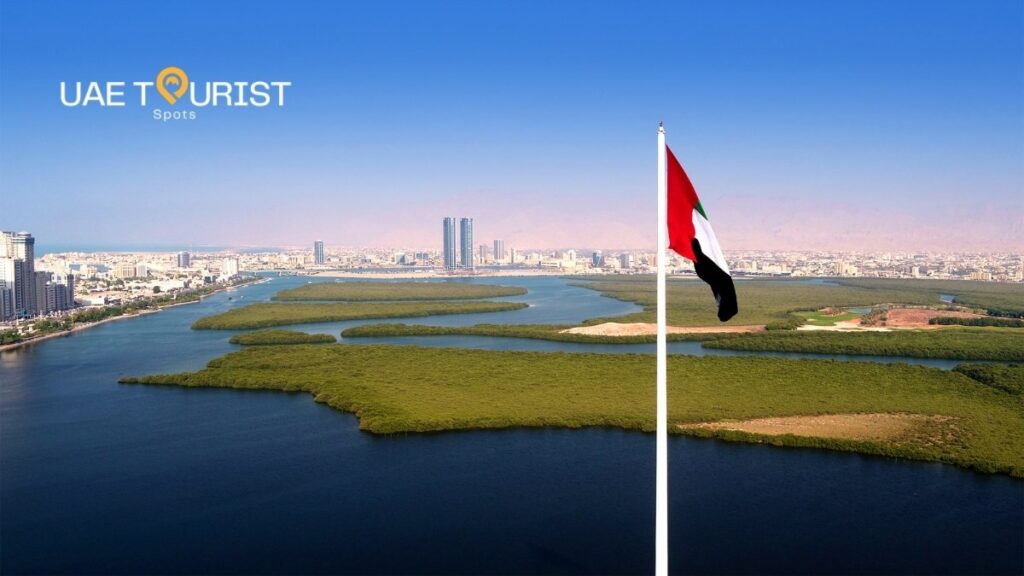
Ras Al Khaimah offers a different side of the United Arab Emirates. Instead of concentrating mainly on city landmarks, the emirate spreads its attractions across the Hajar Mountains, coastal villages, mangrove channels, sandy beaches, historic forts, and desert landscapes.
The best places to visit in Ras Al Khaimah include Jebel Jais, Dhayah Fort, Al Jazeera Al Hamra Heritage Village, the National Museum, Suwaidi Pearls, Wadi Shawka, Flamingo Beach, and the mangroves near Al Qawasim Corniche. Two or three days allow enough time to combine several of these places without rushing between widely separated areas.
Ras Al Khaimah places to visit at a glance
| Place | Main reason to visit | Suitable for | Suggested time |
| Jebel Jais | Mountain scenery and adventure activities | Couples, families, adventure travellers | Half or full day |
| Dhayah Fort | Historic fort and elevated views | History lovers, photographers | 45–90 minutes |
| Al Jazeera Al Hamra | Traditional pearling-village architecture | Culture and history travellers | 1–2 hours |
| National Museum | Archaeology and local heritage | First-time visitors, families | 1–2 hours |
| Suwaidi Pearls | Arabian pearling history and boat experience | Families, cultural travellers | Half day |
| Wadi Shawka | Hiking and mountain scenery | Hikers and outdoor travellers | Half or full day |
| Ras Al Khaimah mangroves | Kayaking and nature observation | Couples, families, birdwatchers | 1–3 hours |
| Flamingo Beach | Public beach and sunset views | Families and casual beachgoers | 2–4 hours |
| Al Qawasim Corniche | Waterfront walks, cafés, and city views | Families and evening visitors | 1–2 hours |
| Al Marjan Island | Resorts, dining, and coastal stays | Couples and resort travellers | Evening or overnight |
| Ras Al Khaimah desert | Safaris and overnight camps | Families, couples, groups | Half day or overnight |
1. Jebel Jais

Jebel Jais should be high on the itinerary for travellers interested in mountain scenery, road trips, hiking, or organised adventure activities. Part of the Hajar mountain range, it is recognised as the highest mountain in the UAE.
The drive is part of the experience. A paved mountain road climbs through rocky valleys and a series of bends before reaching the upper visitor areas. A standard car can use the main road in normal conditions, although drivers should check the weather and any official access notices before leaving.
Jais Viewing Deck Park
Travellers who want the scenery without joining an adventure activity can visit Jais Viewing Deck Park. Its platforms look across the mountain road, surrounding peaks, valleys, settlements, and the Arabian Gulf in the distance.
As checked in August 2026, the official website lists an entry charge of AED 10 per guest, including VAT. Published hours are 8:00 a.m. to 8:00 p.m. from Sunday to Thursday and 8:00 a.m. to 11:00 p.m. on Friday and Saturday. Prices and hours remain subject to change.
Morning visits usually offer softer light and cooler conditions. Late afternoon is more suitable for sunset, but visitors should leave enough time for the mountain drive before dark.
Jais Flight and other activities
Jais Flight stretches for 2.83 kilometres across the mountain landscape. The official 2026 information lists tickets from AED 325 per person, although the final price can vary by date, promotion, or package.
Current participation requirements include a minimum age of 12, a minimum height of 122 centimetres, and a permitted weight range of 40 to 120 kilograms. Closed shoes and fitted, comfortable clothing are required. Advance booking is sensible, particularly on weekends and during the cooler season.
The official Jebel Jais website currently marks Jais Sledder as temporarily closed. Visitors should not assume it will be operating without checking the latest status.
2. Dhayah Fort
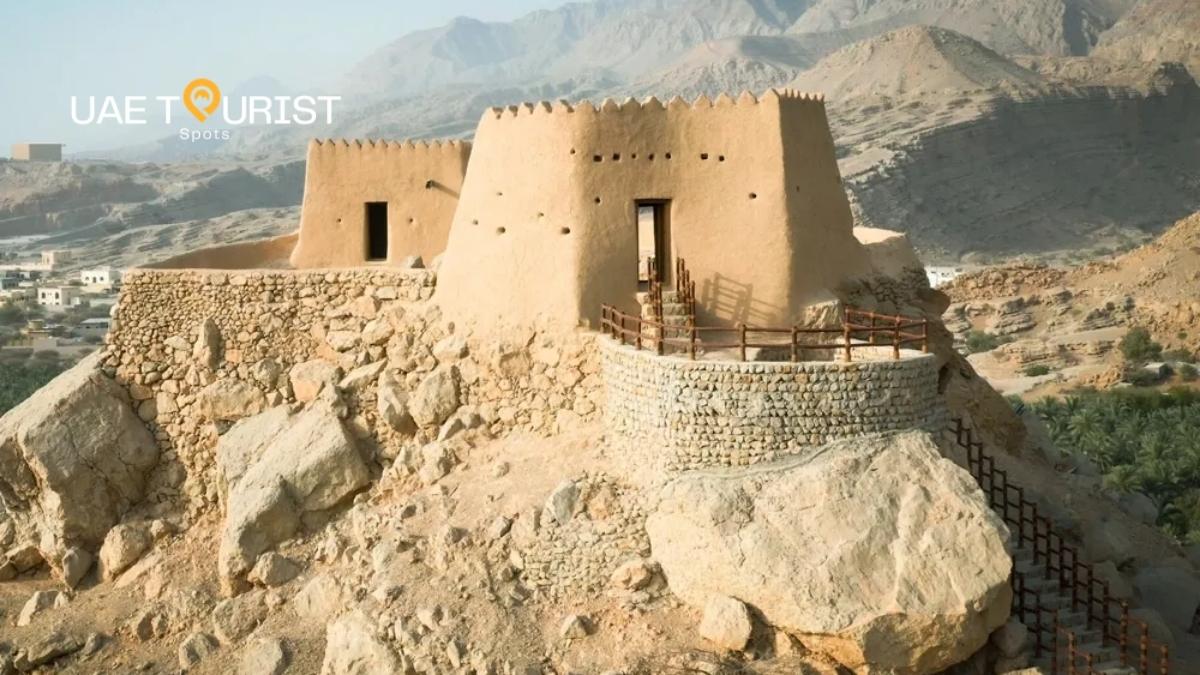
Dhayah Fort stands on a roughly 70-metre-high hill north of Ras Al Khaimah city. The small hilltop fort overlooks palm gardens, mountains, and the fertile landscape around the village of Dhayah.
The site is valuable for understanding how Ras Al Khaimah’s geography shaped its history. The surrounding cultural landscape has defensive structures, agricultural land, and archaeological importance, while the fort itself is closely associated with the events of 1819.
Reaching the top requires climbing an uneven and rocky route. The Department of Antiquities and Museums warns that the fort is unsuitable for wheelchairs, prams, and some visitors with limited mobility. There is no lighting, so the climb should be completed during daylight.
Wear shoes with good grip, carry water, and avoid attempting the climb during the hottest part of a summer day. Because the current official page does not provide dependable admission hours or a confirmed entrance fee, check directly before making a special journey.
3. Al Jazeera Al Hamra Heritage Village
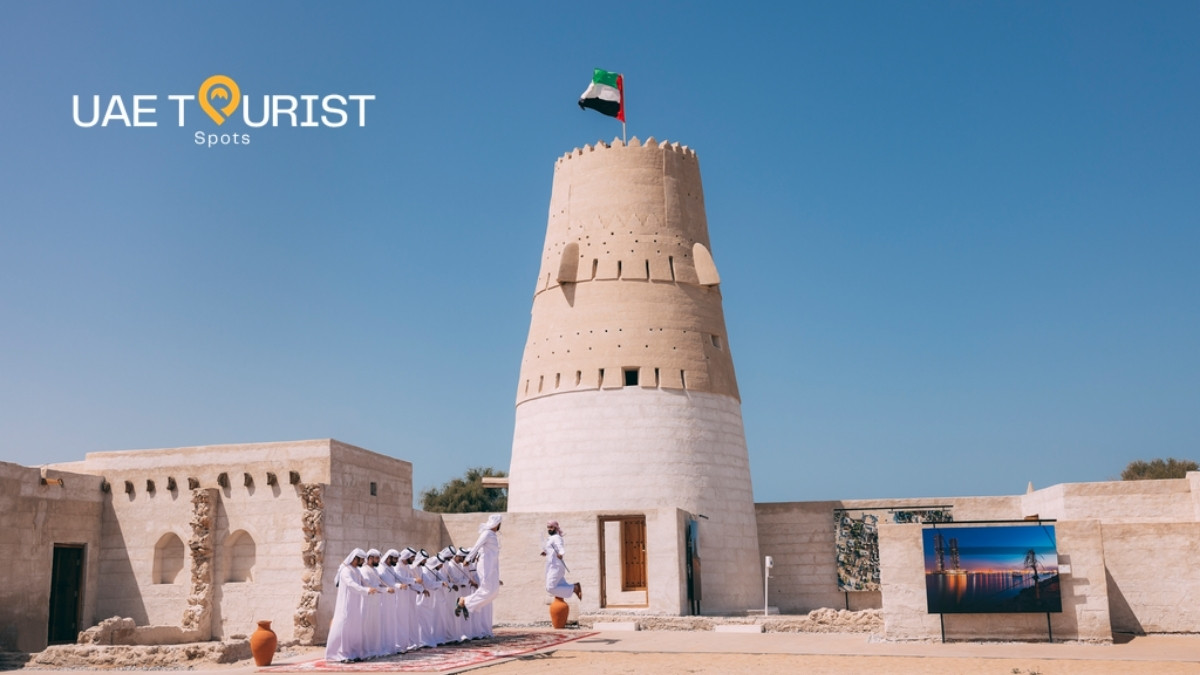
Al Jazeera Al Hamra provides a detailed look at life in a coastal settlement before the development of the modern UAE. Heritage authorities describe it as the Gulf’s only remaining intact traditional pearling village.
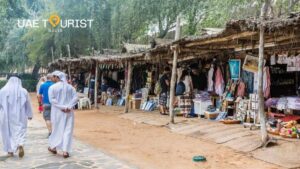
The site contains courtyard houses, watchtowers, a fort, mosque remains, a traditional market area, and residences connected with pearl merchants and boat captains. Construction materials include coral stone, beach rock, mangrove beams, date-palm elements, and later sand bricks.
Rather than treating the village as an abandoned photo location, take time to notice how its buildings responded to the climate. Courtyards provided privacy, narrow lanes created shade, and windcatchers helped move air through selected homes.
The published opening hours for 2026 are Tuesday to Sunday from 9:00 a.m. to 5:00 p.m., with Monday closure. As of August 2026, guided heritage tours are paused for summer and are scheduled to resume in September 2026. General access, tour availability, and events should still be confirmed before visiting.
4. National Museum of Ras Al Khaimah
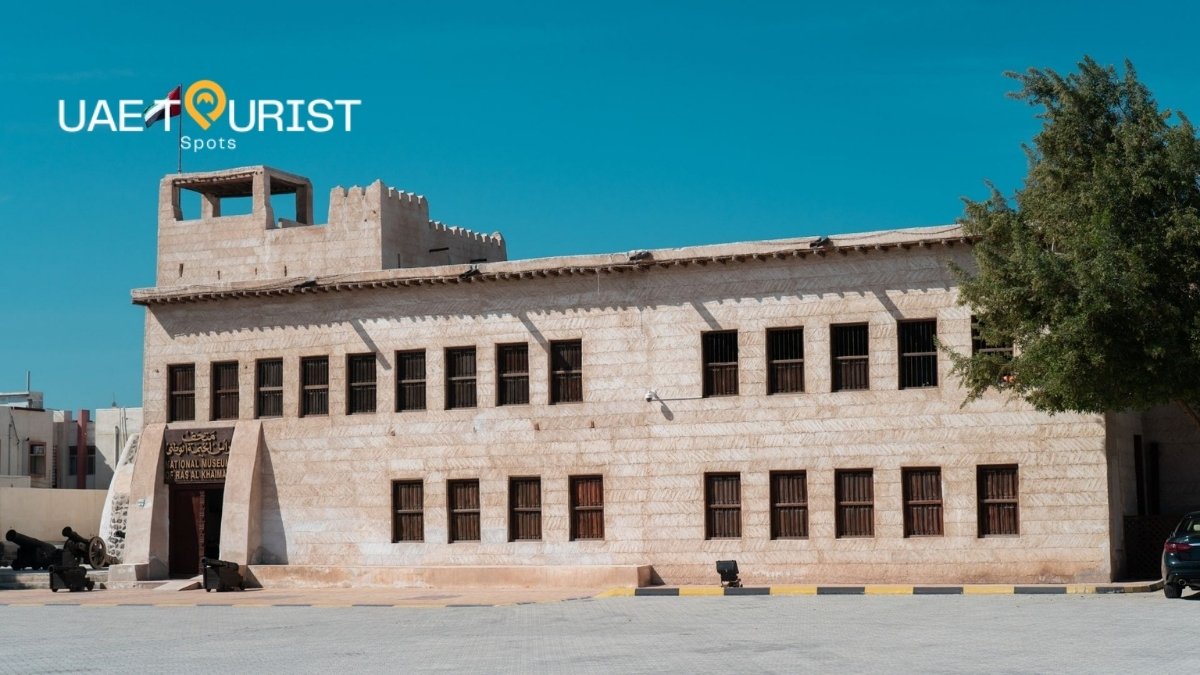
The National Museum is a useful first stop for visitors who want context before exploring the emirate’s archaeological and heritage sites. It occupies a fortified complex in the older part of Ras Al Khaimah city.
The building previously served as a residence of the ruling Qawasim family. It was later used as a police headquarters and prison before being converted into a museum in 1987. Displays cover archaeological discoveries, local occupations, trade, traditional life, and the emirate’s wider historical connections.
Current published hours are:
- Tuesday to Thursday: 8:00 a.m. to 6:00 p.m.
- Friday: 2:00 p.m. to 8:00 p.m.
- Saturday and Sunday: 8:00 a.m. to 6:00 p.m.
- Monday: Closed
The official museum page does not currently display a clear admission price. Confirm the fee directly rather than relying on older third-party listings.
5. Suwaidi Pearls in Al Rams
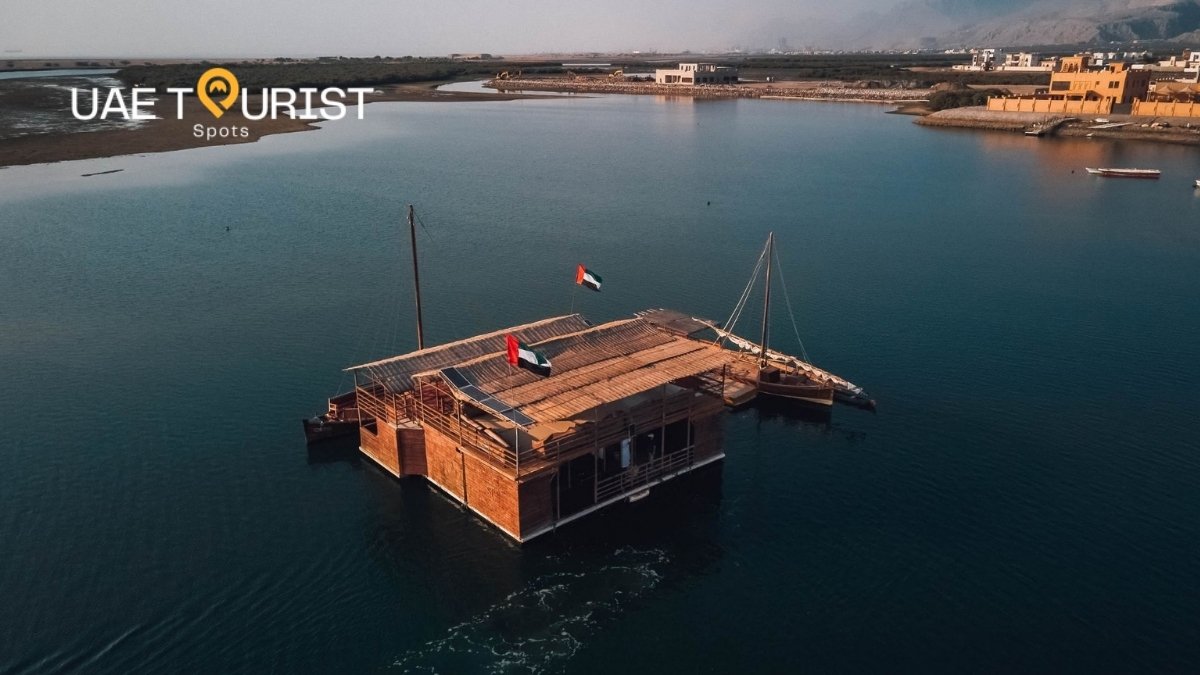
Suwaidi Pearls connects Ras Al Khaimah’s pearling history with a working cultural and ecological experience. Tours begin in the fishing area of Al Rams and travel through coastal scenery towards the House of Pearls.
The experience explains how pearl oysters grow, how natural and cultured pearls form, and why pearling was once central to communities along the Arabian Gulf. Tours may also include a demonstration of oyster opening, although the precise programme depends on the booking selected.
This experience should be reserved in advance. Departure times, tour duration, inclusions, and prices can change, so confirm all details through the attraction’s official booking channel.
Combining Suwaidi Pearls with nearby Dhayah Fort or Al Rams Corniche creates a practical northern Ras Al Khaimah itinerary.
6. Wadi Shawka and Shawka Dam
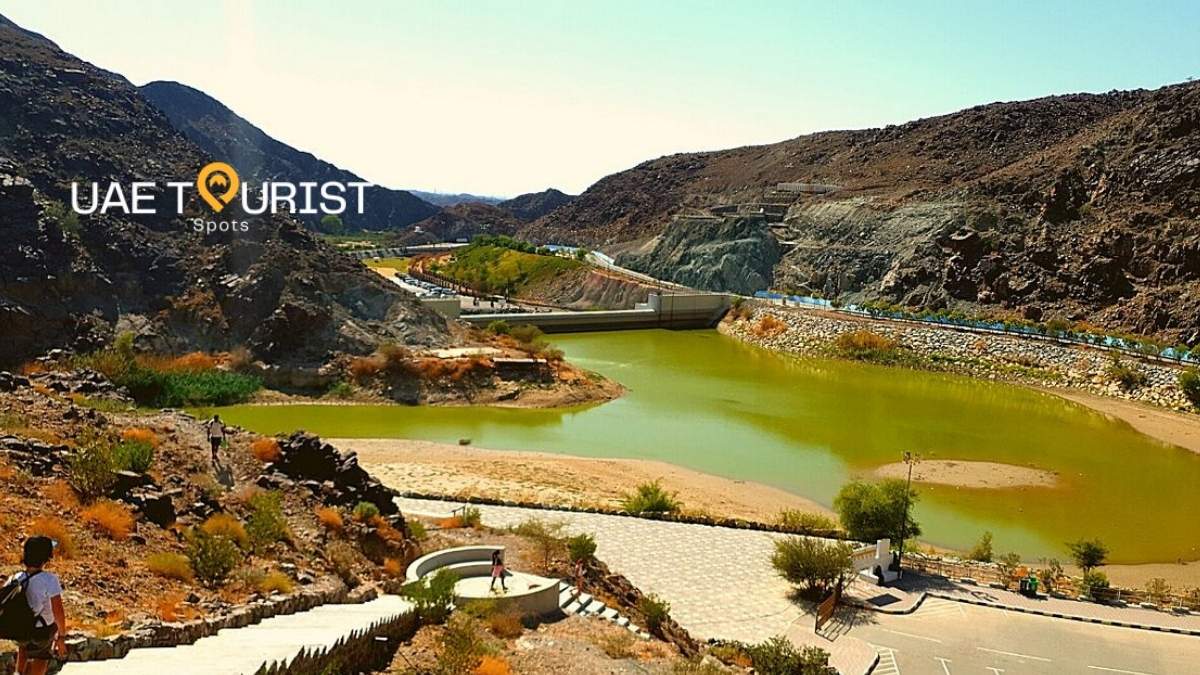
Wadi Shawka is a better choice for travellers who prefer open landscapes to organised attractions. The area contains hiking routes, rocky valleys, mountain views, picnic locations, and seasonal pools around Shawka Dam.
Water is not guaranteed. Pools and small streams depend on recent rainfall, so photographs taken during wetter periods may not represent conditions throughout the year.
Routes range from relatively short walks to longer and more demanding mountain trails. The approximately 10-kilometre Shawka Dam Mountain Trail is generally treated as a moderately challenging route, but trail conditions can change after rain.
Visit between November and April when temperatures are more suitable for outdoor activity. Start early, carry more water than you expect to need, download an offline map, and tell someone which route you plan to follow. Avoid wadis when rain or flash flooding is possible, even if the rain appears to be falling some distance away.
A normal vehicle can reach established areas near the dam, but off-road exploration should only be attempted with an appropriate vehicle and sufficient experience.
7. Ras Al Khaimah Mangroves
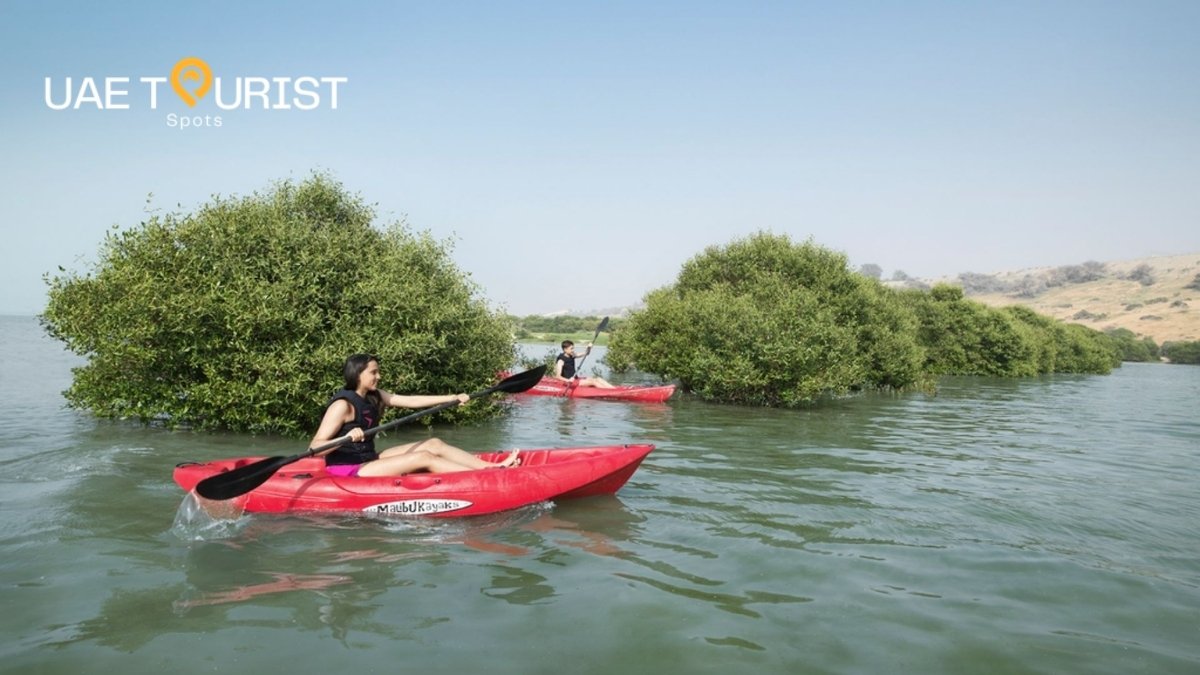
Mangrove channels bring nature directly into the urban landscape of Ras Al Khaimah. They can be viewed from waterfront areas, but kayaking provides a quieter way to explore the narrow waterways.
Several guided kayaking trips operate from the Nakheel waterfront and areas near Al Qawasim Corniche. Morning and late-afternoon sessions are usually more comfortable than midday outings, particularly from late spring to early autumn.
Wildlife sightings vary by season, tide, weather, and human activity. Visitors may see waterbirds and other coastal species, but no particular sighting should be treated as guaranteed.
Choose a licensed operator, wear a life jacket, carry sun protection, and ask whether the trip is suitable for children or first-time paddlers. Prices depend on the operator, tour length, and whether the kayak is shared or private.
8. Flamingo Beach

Flamingo Beach is a convenient public beach between Ras Al Khaimah city and Al Hamra Village. Its shallow coastal setting and road access make it suitable for a relaxed stop without booking a resort stay.
The beach faces west, making late afternoon a practical time for swimming followed by sunset. Water-sport rentals may be available for an additional charge.
As checked in August 2026, the official tourism page lists the beach as open from 6:00 a.m. to 8:00 p.m. Entry and parking are free. Lifeguards are reported to be present, but visitors should always check local flags, signs, and instructions before entering the water.
Public facilities and commercial services may not be as extensive as those at a private resort. Bring drinking water, sun protection, and anything required for a comfortable beach visit.
9. Al Qawasim Corniche
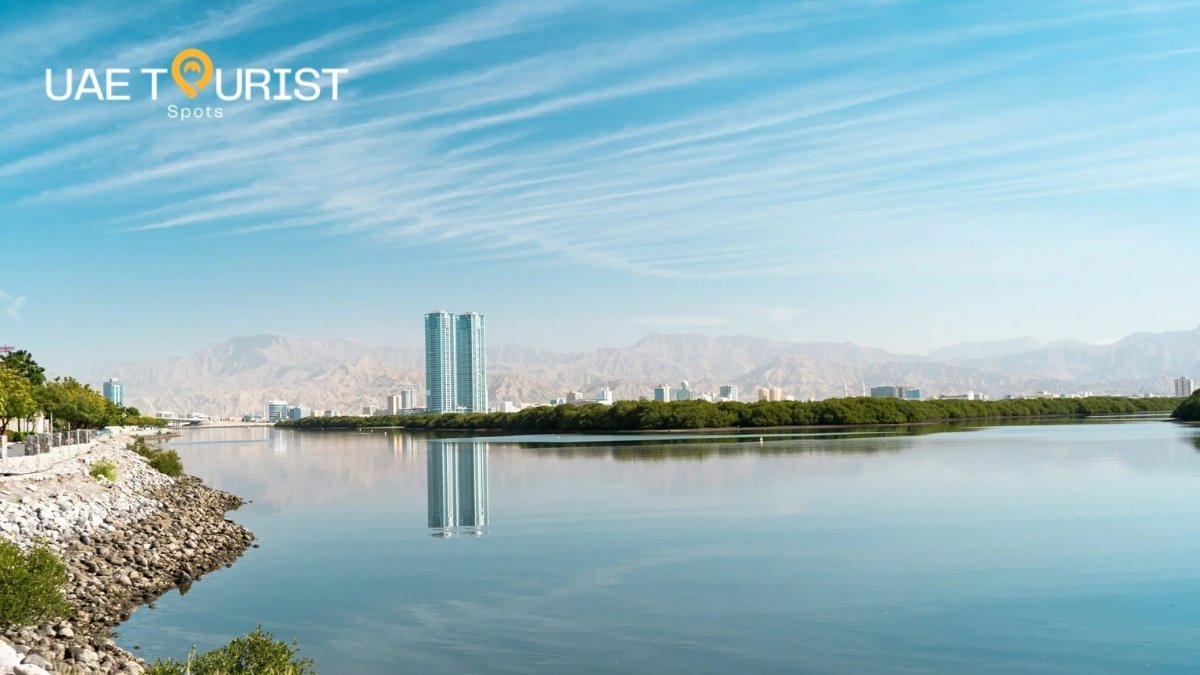
Al Qawasim Corniche is a three-kilometre waterfront promenade beside the city’s mangroves. It offers a simple evening activity when there is not enough time for a mountain or desert excursion.
The broad walkway is used by families, cyclists, joggers, and visitors stopping at nearby cafés and restaurants. Children’s play areas and access to water-based activities make it useful for groups with different interests.
Come shortly before sunset to see the waterfront in daylight and after dark. The Corniche also works well after visiting the National Museum, since both can be included in a city-focused day.
10. Al Marjan Island and the Resort Coast
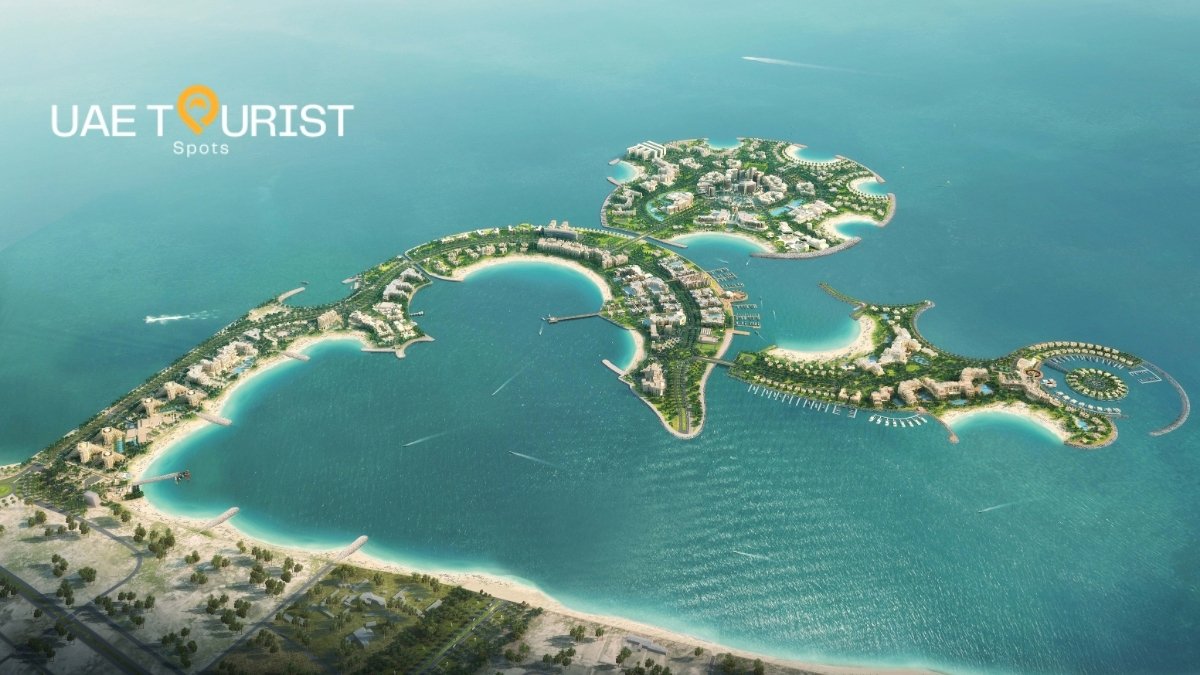
Al Marjan Island is a group of man-made islands developed around resorts, residences, restaurants, and coastal leisure. It is more suitable as a place to stay or spend an easy evening than as a single ticketed attraction.
The area works well for couples, families, and travellers who want beach access with hotel facilities. However, many beaches and pools belong to individual resorts. Do not assume that every stretch of sand is open to non-guests.
If you are not staying overnight, check whether a chosen hotel offers a day pass and what it includes. Some passes cover pool and beach access, while others include food credit or selected activities. Availability and prices are seasonal.
11. Al Rams Corniche and Beach
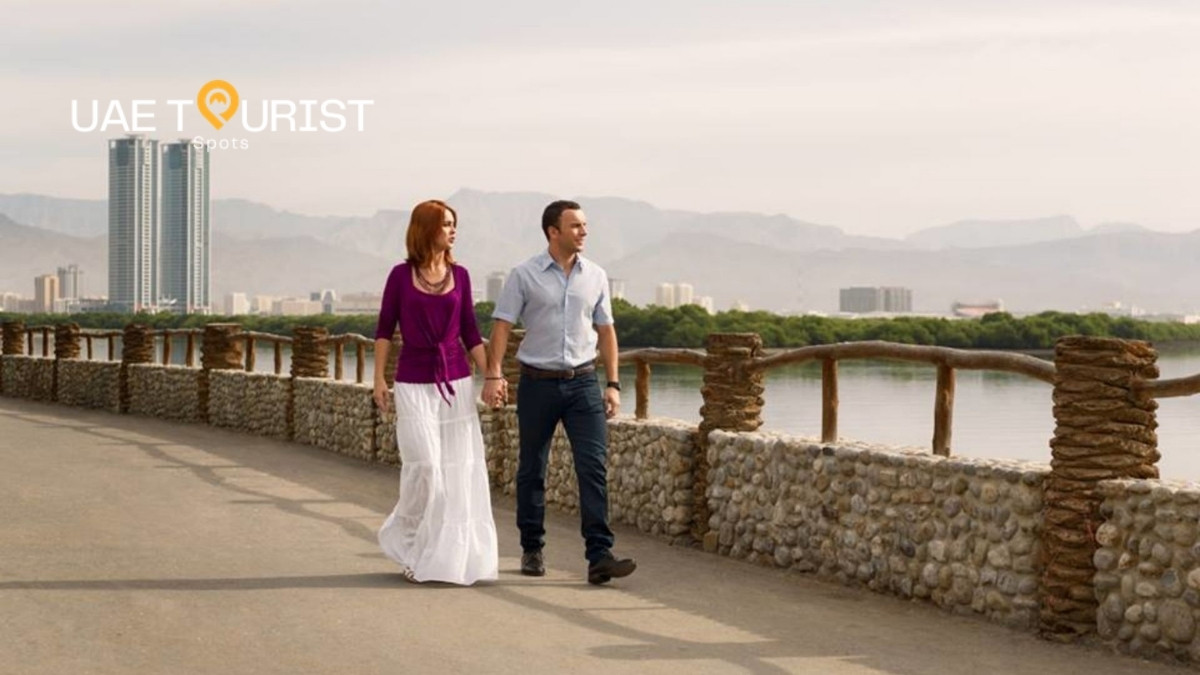
Al Rams is a quieter coastal area north of Ras Al Khaimah city. Its corniche provides free access, parking, and space for walking beside the water.
The nearby coastline and Saraya Island attract people interested in kayaking, paddleboarding, photography, and camping. Accessing the sandy island by vehicle can require a four-wheel drive and off-road knowledge. Inexperienced drivers should use a guide instead of taking a standard rental car onto soft sand.
Al Rams is especially useful when combined with Suwaidi Pearls and Dhayah Fort because all three are located in the northern part of the emirate.
12. Ras Al Khaimah Desert Camps
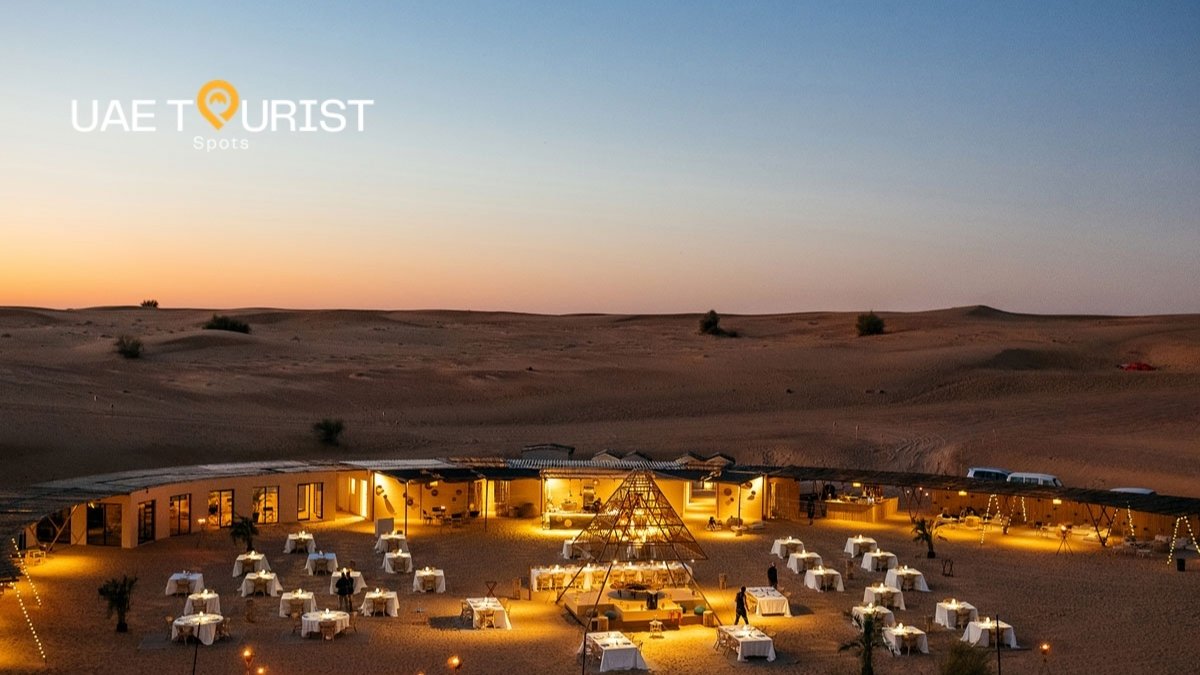
The desert gives visitors another landscape beyond the coast and mountains. Organised experiences range from short evening safaris to overnight stays at Bedouin-inspired camps.
Depending on the operator, a package may include dune driving, camel rides, sandboarding, dinner, entertainment, or accommodation. These elements are not standard across every camp, so compare the actual inclusions rather than choosing solely by price.
Bedouin Oasis and Bassata Desert Village are among the established desert experiences promoted by Ras Al Khaimah Tourism. Reservations are normally required, and many packages can include transfers from selected hotels.
Dune driving should only be undertaken with a qualified operator. Travellers who are pregnant or have back, neck, or certain medical conditions should ask about safer alternatives before booking.
How to Choose the Right Places
The most useful itinerary depends on the type of trip you want.
For mountain scenery and adventure
Prioritise Jebel Jais, Jais Viewing Deck Park, and Wadi Shawka. These require more driving and are most comfortable during the cooler months.
For culture and history
Combine the National Museum, Al Jazeera Al Hamra Heritage Village, Dhayah Fort, and Suwaidi Pearls. Together, they explain the emirate’s relationship with trade, pearling, defence, agriculture, and the sea.
For families
Consider Flamingo Beach, the National Museum, Al Qawasim Corniche, a pre-booked pearl-farm tour, and age-appropriate activities at Jebel Jais. Confirm height, age, and weight restrictions before promising children a particular ride.
For a relaxed weekend
Stay near Al Marjan Island, Al Hamra, or Mina Al Arab. Add one mountain day and one coastal or heritage day instead of trying to cover the entire emirate.
A Practical Two-Day Ras Al Khaimah Itinerary
Day 1: Mountains and northern heritage
Start early and drive to Jebel Jais. Visit the viewing decks or complete a pre-booked adventure activity. Allow enough time for the mountain road in both directions.
Continue to Dhayah Fort later in the day if the temperature and daylight allow. End at Al Rams Corniche, or reserve Suwaidi Pearls as the main afternoon experience.
Day 2: Heritage, city, and coast
Begin at Al Jazeera Al Hamra Heritage Village, then travel into Ras Al Khaimah city for the National Museum.
Spend the late afternoon kayaking through the mangroves or relaxing at Flamingo Beach. Finish with an evening walk and dinner around Al Qawasim Corniche.
Travellers staying a third day can add Wadi Shawka, a desert safari, or a slower resort day.
Best Time to Visit Ras Al Khaimah
October to April is generally the most comfortable period for hiking, heritage walks, desert trips, mountain activities, and outdoor sightseeing. November to March normally provides the mildest conditions, but it is also a busier period for resorts and outdoor attractions.
Summer can still work for resort stays, swimming, and short early-morning or evening activities. Long hikes and exposed heritage sites are far less comfortable in intense heat.
Mountain conditions can differ from those at sea level. Take a light layer for winter evenings on Jebel Jais and check the forecast before travelling.
Getting to and Around Ras Al Khaimah
Ras Al Khaimah is connected to the other emirates by road. According to the official tourism authority, driving from Dubai generally takes around 1.5 to 2 hours, depending on the starting point and traffic.
Intercity buses also connect Dubai and Ras Al Khaimah. The currently published Dubai service departs from Union Bus Station, takes approximately 2 to 2.5 hours, and costs around AED 30. Schedules and fares should be checked through the Ras Al Khaimah Transport Authority’s Sayr app before travelling.
Once in the emirate, a rental car provides the greatest flexibility. Attractions are spread across the city, coast, mountains, and inland areas, and public buses do not reach every outdoor site conveniently.
Metered taxis and ride-hailing services are available. Travellers who do not want to drive can also arrange hotel transfers or organised tours.
Where to Stay
Choose an area based on the places you plan to visit:
- Ras Al Khaimah city: Convenient for the National Museum, Corniche, mangroves, local restaurants, and transport connections.
- Al Hamra and Al Marjan Island: Suitable for resort facilities, beach time, and access to Al Jazeera Al Hamra.
- Mina Al Arab: A quieter waterfront base with access to the city and southern coastal areas.
- Al Wadi Desert: Appropriate for travellers prioritising desert scenery and resort activities.
- Northern Ras Al Khaimah: Useful for Jebel Jais, Dhayah Fort, Al Rams, and the pearl farm, although accommodation choices are more limited.
Practical Tips for Visitors
- Check attraction websites again on the day of travel, especially for Jebel Jais activities.
- Carry water even during winter. Mountain and heritage sites can involve more walking than expected.
- Use closed shoes for Dhayah Fort, Wadi Shawka, and adventure activities.
- Avoid exposed hiking routes during the hottest part of the day.
- Never enter a wadi when rain or flash flooding is possible.
- Dress modestly in markets, museums, heritage areas, and other public places.
- Ask permission before photographing local residents.
- Swim only where access is permitted and follow lifeguard instructions.
- Do not drive a rental vehicle onto soft sand unless the agreement permits it and you have suitable experience.
- Allow extra driving time because attractions are spread across different parts of the emirate.
Frequently Asked Questions
Is Ras Al Khaimah worth visiting?
Ras Al Khaimah is worth considering if you want mountains, beaches, desert scenery, outdoor activities, and heritage sites within one emirate. It provides a useful contrast to a city-focused Dubai or Abu Dhabi itinerary.
How many days do you need in Ras Al Khaimah?
Two days are enough for a mountain day and a combined heritage-and-coast day. Three or four days allow time for Wadi Shawka, a desert experience, or a slower resort stay.
Can you visit Ras Al Khaimah on a day trip from Dubai?
Yes. The drive normally takes about 1.5 to 2 hours each way. For a day trip, concentrate on one area, such as Jebel Jais and Dhayah Fort, instead of attempting to cover the entire emirate.
What are some free places to visit in Ras Al Khaimah?
Flamingo Beach, Al Qawasim Corniche, Al Rams Corniche, and general mountain viewpoints are among the places that can be visited without a major admission charge. Access rules and parking conditions can change.
Do you need a four-wheel-drive vehicle?
A four-wheel drive is not normally required for Ras Al Khaimah city or the main paved road to Jebel Jais. It is advisable for off-road desert routes and soft-sand access around places such as Saraya Island.
Can children visit Jebel Jais?
Children can visit the mountain and viewing areas, but individual adventure activities have age, height, and weight restrictions. Jais Flight currently requires participants to be at least 12 years old and meet its physical criteria.
Can you visit Ras Al Khaimah during summer?
Yes, but plan around the heat. Choose resort activities, indoor attractions, swimming, and short morning or evening outings. Avoid exposed hikes and long outdoor visits during midday.
What should visitors wear in Ras Al Khaimah?
Light, breathable clothing is suitable for the climate, but modest dress is recommended in public and cultural areas. Adventure attractions require secure clothing and closed footwear. Swimwear should be kept to designated beach and pool areas.