
The food cost in Dubai can range from surprisingly affordable to extremely expensive, depending on where and how you eat. A budget traveler can manage on approximately AED 80–130 per person per day, while a visitor combining cafés, casual restaurants, and an occasional mid-range dinner should allow AED 150–300 per day.
Travelers choosing hotel restaurants, destination dining, or frequent specialty coffee may spend AED 350–650 per day. Fine-dining experiences can push the daily total above AED 700 per person.
These are planning estimates based on prices checked in August 2026. Restaurant menus, supermarket promotions, delivery charges, and seasonal dining offers can change, so confirm important prices before ordering.
Food Cost in Dubai at a Glance
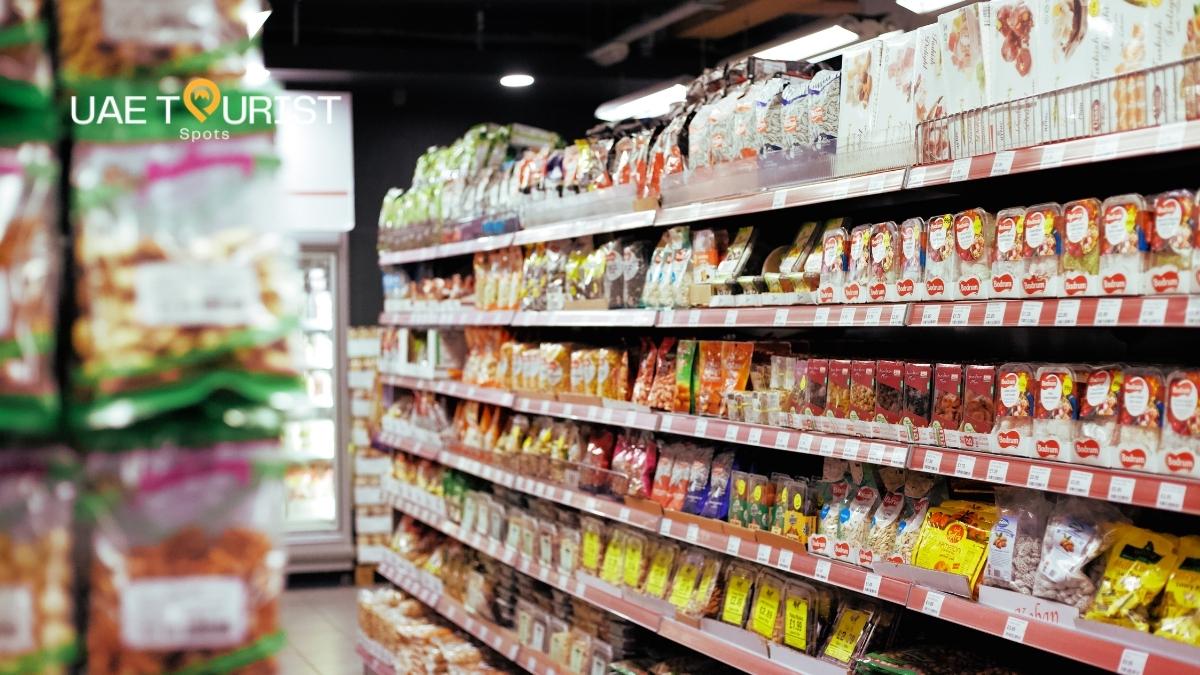
For most visitors, AED 200–250 per adult per day is a comfortable starting budget. This allows for a café or supermarket breakfast, a casual lunch, a mid-range dinner, water, and one coffee or snack.
| Travel style | Estimated daily food budget | Estimated seven-day budget |
| Mainly self-catering | AED 50–90 | AED 350–630 |
| Budget traveler | AED 80–130 | AED 560–910 |
| Mid-range traveler | AED 150–300 | AED 1,050–2,100 |
| Comfortable dining | AED 350–650 | AED 2,450–4,550 |
| Fine-dining focused | AED 700+ | AED 4,900+ |
These figures are per adult and exclude alcohol, food delivery charges, hotel meal plans, and unusually expensive tasting menus. They are calculated planning ranges rather than fixed prices.
Current Dubai benchmarks place an inexpensive restaurant meal at about AED 45.55 and a three-course mid-range meal for two, excluding drinks, at about AED 300. A regular cappuccino averages approximately AED 22.85. Numbeo’s August 2026 Dubai price data provides the underlying market benchmarks, while actual menus may sit above or below these averages.
Understanding Dubai’s Currency
Food prices are shown in UAE dirhams, abbreviated as AED or sometimes written as Dh.
The Central Bank of the UAE maintains the dirham’s peg to the US dollar, with intervention rates of AED 3.672–3.673 per US dollar. This means the following conversions are useful for rough budgeting:
| UAE dirhams | Approximate US dollars |
| AED 25 | USD 6.80 |
| AED 50 | USD 13.60 |
| AED 100 | USD 27.20 |
| AED 250 | USD 68 |
| AED 500 | USD 136 |
Exchange rates against pounds, euros, Pakistani rupees, and other currencies fluctuate. Your bank or card provider may also apply a conversion fee. The dirham-dollar arrangement can be verified through the Central Bank of the UAE.
How Much Does Eating Out Cost in Dubai?
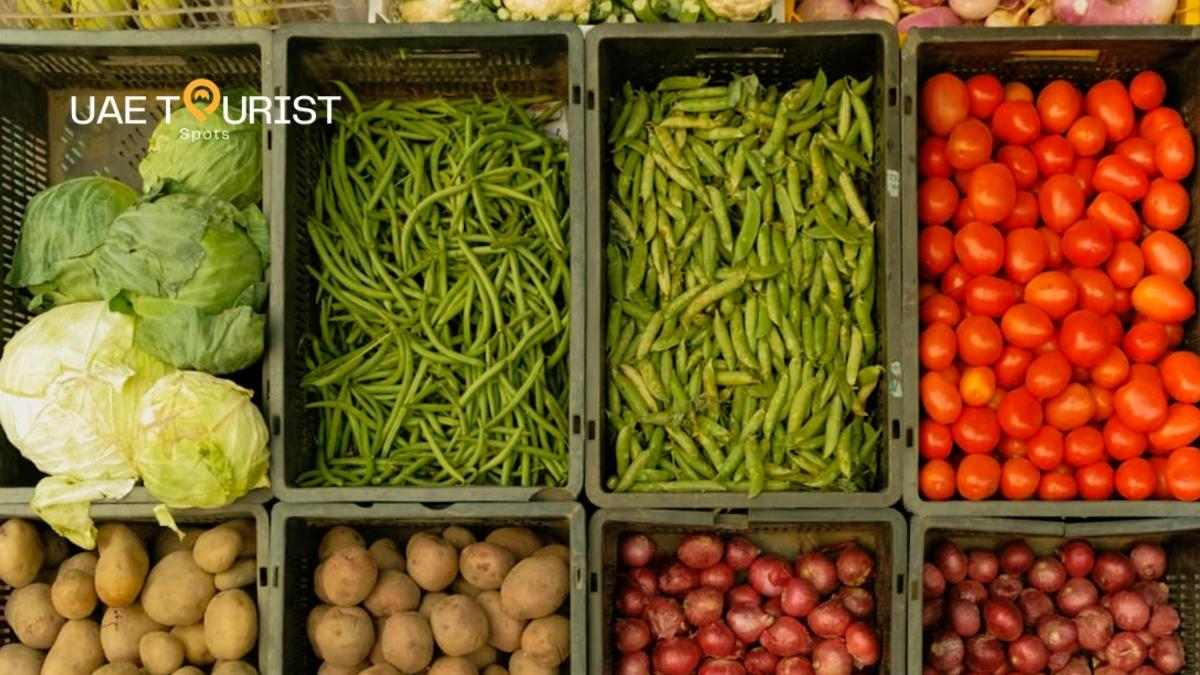
Dubai has neighborhood cafeterias, food-court counters, international chains, family restaurants, beach clubs, hotel dining rooms, and premium tasting-menu venues. The type and location of the restaurant often affect the bill more than the cuisine itself.
Here is a practical 2026 price guide:
| Food or dining option | Typical estimated price |
| Bakery item or simple takeaway breakfast | AED 8–20 |
| Shawarma, falafel wrap, or similar quick item | AED 10–20 |
| Neighborhood cafeteria meal | AED 15–35 |
| Fast-food combo | AED 35–60 |
| Casual restaurant main course | AED 30–80 |
| Café breakfast | AED 25–60 |
| Inexpensive sit-down meal | Around AED 45 |
| Mid-range three-course meal for two | Around AED 300, excluding drinks |
| Regular specialty coffee | Around AED 18–30 |
| Fine or destination dining | AED 300–700+ per person |
The low end is easier to find at independent cafeterias and regional restaurants serving Indian, Pakistani, Lebanese, Filipino, Iranian, or other Asian and Middle Eastern food. The official Dubai tourism website also maintains a current guide to affordable restaurants in Dubai.
Breakfast Prices
Breakfast can cost very little if you buy it from a bakery, cafeteria, or supermarket. A pastry, sandwich, fruit, or yoghurt-based breakfast may cost AED 10–25. A full café breakfast with eggs, coffee, and juice is more likely to cost AED 40–80, depending on the venue.
Before booking a hotel, compare the room-only price with the breakfast-inclusive rate. A slightly higher room rate may represent good value if you would otherwise buy a full café breakfast every morning. However, it is only a saving if you plan to eat at the hotel.
Lunch Prices
A cafeteria, food-court, or simple regional lunch generally costs AED 20–45. A main course in a casual sit-down restaurant may cost AED 40–80, before drinks or dessert.
Lunch menus can sometimes provide better value than evening dining, particularly at business-district restaurants and hotels. These offers change, so check the restaurant’s current menu rather than assuming a weekday lunch deal is available.
Dinner Prices
A low-cost dinner can remain around AED 25–50 if you choose a neighborhood restaurant or takeaway. At a mid-range restaurant, allow approximately AED 100–175 per person for several courses before expensive drinks.
Restaurants attached to luxury hotels, beachfront venues, and high-profile attractions are usually at the upper end of the market. Set menus, brunches, holiday meals, and special-event dining may follow separate pricing.
Coffee, Water, and Soft Drinks
Specialty coffee is one of the smaller expenses that can noticeably raise a daily food budget. A regular cappuccino averages around AED 22.85, while coffee at a premium hotel or destination café may cost more.
Supermarket water is inexpensive, but bottled water in a hotel, beach club, or restaurant can carry a substantial markup. Soft drinks, juices, desserts, and additional coffees can easily add AED 30–80 to a day’s spending.
How Much Do Groceries Cost in Dubai?
Self-catering can reduce the food cost in Dubai, particularly during a week-long or extended stay. However, the saving depends on whether your accommodation has a suitable kitchen and whether you will use everything you buy.
The following table gives realistic supermarket planning ranges:
| Grocery item | Estimated supermarket price |
| Fresh milk, 1 litre | AED 5–7 |
| White bread, 500g | AED 5–6 |
| White rice, 1kg | AED 8–10 |
| Eggs, 12 | AED 9–14 |
| Yoghurt, 1kg | AED 7–12 |
| Whole chicken, 1kg | AED 20–25 |
| Chicken breast, 1kg | AED 45–55 |
| Beef mince, 1kg | AED 60–75 |
| Apples, 1kg | AED 8–10 |
| Bananas, 1kg | AED 6–8 |
| Tomatoes, 1kg | AED 4–7 |
| Potatoes, 1kg | AED 3–5 |
| Bottled water, 1.5 litres | AED 2–3 |
For example, current Carrefour UAE listings checked in August 2026 included one litre of fresh milk at AED 6.99, 30 eggs at approximately AED 22–23, a one-kilogram whole chicken at around AED 21, and one kilogram of yoghurt at about AED 7.79. Prices and promotional discounts change frequently. Carrefour UAE’s current listings can be used to check live supermarket prices.
A basic weekly grocery shop for one adult may cost approximately AED 225–325. Imported brands, organic produce, premium meat, prepared food, and specialty dietary products can raise that amount considerably.
For a stay of only two or three nights, buying cooking oil, spices, sauces, and other basics may cost more than expected. Supermarket breakfasts and ready-to-eat items may be more practical than buying ingredients for complete meals.
Three Realistic Daily Food Budgets
The following examples show how individual purchases turn into a daily total.
AED 95 Budget Day
- Supermarket or bakery breakfast: AED 15
- Cafeteria lunch: AED 30
- Shawarma, biryani, or similar casual dinner: AED 35
- Water, tea, fruit, or another snack: AED 15
Estimated total: AED 95
This approach works best when staying near neighborhood cafeterias rather than relying on hotel or attraction restaurants.
AED 255 Mid-Range Day
- Café breakfast: AED 45
- Casual restaurant lunch: AED 60
- Coffee and snack: AED 30
- Mid-range dinner: AED 120
Estimated total: AED 255
This is a practical budget for visitors who want variety without choosing premium dining for every meal.
AED 510 Comfortable Dining Day
- Full breakfast or brunch: AED 90
- Sit-down lunch: AED 100
- Coffee and dessert: AED 45
- Upscale dinner: AED 275
Estimated total: AED 510
The total can climb further if the dinner includes alcohol, a tasting menu, waterfront seating, or entertainment.
How Much to Budget for a Three-, Five-, or Seven-Day Visit
| Trip length | Budget dining | Mid-range dining | Comfortable dining |
| Three days | AED 240–390 | AED 450–900 | AED 1,050–1,950 |
| Five days | AED 400–650 | AED 750–1,500 | AED 1,750–3,250 |
| Seven days | AED 560–910 | AED 1,050–2,100 | AED 2,450–4,550 |
For two adults, double the relevant range. Children may cost less if they share meals or use children’s menus, but restaurants and buffets apply different age and pricing policies.
If your hotel includes breakfast, subtract the breakfast amount you would otherwise spend. If you plan one expensive dinner, add it separately instead of increasing the budget for every day.
Why Restaurant Bills Can Be Higher Than Expected
The Restaurant’s Location
Restaurants in major hotels, beach resorts, Downtown Dubai, Palm Jumeirah, and prominent waterfront developments often charge more than neighborhood venues.
Areas such as Deira, Bur Dubai, Al Karama, Al Rigga, and International City generally provide a wider choice of independent cafeterias and regional restaurants. This does not mean every restaurant in these areas is inexpensive, so checking the menu remains important.
Drinks and Desserts
A reasonably priced main course can turn into a much larger bill after coffee, juice, bottled water, dessert, and additional drinks. Alcohol is available only at licensed venues and can add significantly to the final cost.
Delivery Charges
Food-delivery apps are convenient, but the displayed menu price may not be the final amount. Delivery fees, service charges, small-order fees, and restaurant markups can make a delivered meal more expensive than collection or dining in.
Compare the checkout total before ordering. Promotions can reduce the cost, but they should not be treated as permanent prices.
VAT, Service Charges, and Tips
The UAE applies 5% value-added tax, as confirmed by the Federal Tax Authority. Visit Dubai notes that most restaurants include taxes and service charges in the final bill, but visitors should still review the menu and receipt because the way charges are displayed can differ.
Tipping is discretionary. Visit Dubai’s 2026 guidance suggests 10–15% in restaurants and around AED 5–10 in cafés, particularly when the service deserves it. Check whether a service charge has already been included before deciding how much extra to leave. Visit Dubai’s tipping guide explains the current local etiquette.
Practical Ways to Spend Less on Food
Use Supermarkets for Breakfast and Snacks
Milk, yoghurt, fruit, bread, cereal, and bottled water usually cost much less at a supermarket than at a hotel shop or tourist attraction. Buying breakfast supplies can save money without requiring full self-catering.
Eat One Main Restaurant Meal Per Day
Choose either lunch or dinner as the main sit-down meal. Keep the other meal simple with a wrap, bakery item, supermarket salad, or cafeteria dish.
Look Beyond Hotel Restaurants
Hotel restaurants are convenient, but nearby independent restaurants may offer substantially lower prices. Check the surrounding area on a map before assuming the hotel is your only practical option.
Check Menus Before Sitting Down
Many restaurants publish menus online. Confirm the price of main courses, water, and any compulsory set menu before booking, especially for rooftop, beachfront, or holiday dining.
Consider Lunch Instead of Dinner
Some restaurants offer fixed-price lunch menus that cost less than ordering similar dishes in the evening. Availability and conditions change, so verify the current offer directly.
Limit Delivery for Small Orders
Delivery fees have a larger effect on a single low-cost meal. Collection may be better value when the restaurant is nearby and the weather and route make walking practical.
Use Promotions Carefully
Dining festivals, seasonal campaigns, loyalty programs, and card offers can reduce restaurant costs. Check the validity dates, participating branches, minimum spend, and excluded days before relying on a deal.
Buy Local or Regional Products
Imported specialty items usually cost more than locally or regionally produced milk, eggs, yoghurt, bread, and poultry. Comparing the price per kilogram or litre is more useful than comparing package prices.
Carry Water From a Supermarket
Buying water before a sightseeing day helps avoid repeated purchases at attractions, hotel minibars, or premium cafés. Follow the rules of the attraction or venue, as some places restrict outside food and drinks.
Is Food in Dubai Expensive?
Dubai food is not automatically expensive. The city supports both inexpensive neighborhood dining and high-cost luxury experiences. A visitor can eat for under AED 100 per day with careful choices, but spending AED 500 or more is equally easy when meals are built around hotels, specialty cafés, premium settings, and multiple courses.
The most realistic strategy is to choose a daily base budget and add special meals separately. For many travelers, AED 200–250 per person per day provides enough flexibility to enjoy Dubai’s varied food scene without depending entirely on the cheapest options.
Frequently Asked Questions
How much should I budget for food per day in Dubai?
Allow AED 150–300 per adult per day for a mix of cafés and casual or mid-range restaurants. Budget travelers may manage on AED 80–130, while comfortable hotel and upscale dining can cost AED 350–650 per day.
How much does an average meal cost in Dubai?
An inexpensive restaurant meal averages around AED 45, while a casual main course commonly costs AED 30–80. A three-course mid-range dinner for two is approximately AED 300, excluding drinks.
Can I eat cheaply in Dubai?
Yes. Cafeterias, bakeries, food courts, and independent Indian, Pakistani, Lebanese, Filipino, and other regional restaurants offer lower-cost choices. A simple meal may cost approximately AED 15–35.
How much do groceries cost for one person?
A basic weekly grocery shop for one adult may cost around AED 225–325. Premium meat, imported food, organic products, and ready-made meals will increase the total.
Is AED 100 per day enough for food in Dubai?
AED 100 can be enough if you use supermarkets for breakfast and choose cafeterias or inexpensive restaurants for lunch and dinner. It will not provide much room for hotel dining, frequent specialty coffee, delivery fees, or alcohol.
Are taxes included in Dubai restaurant prices?
The UAE applies 5% VAT. Most restaurants include applicable taxes and service charges in the final bill, but the way menu prices are presented can vary. Check the menu and receipt before paying.
Is tipping compulsory in Dubai restaurants?
No. Tipping is generally discretionary. If service was good and no suitable service charge is included, Visit Dubai suggests approximately 10–15% for restaurant dining.
Is food delivery expensive in Dubai?
Delivery can be economical during a promotion, but service fees, delivery fees, small-order charges, and menu markups may increase the total. Compare the checkout price with the restaurant’s direct menu before ordering.
Is it cheaper to cook or eat out in Dubai?
Cooking is usually cheaper during a longer stay, especially when the accommodation already has basic kitchen supplies. For a short stay, inexpensive cafeterias and supermarket-ready meals may be more practical than buying full-size ingredients.