The best time to visit UAE is generally between November and March, when warm days, cooler evenings and lower humidity create ideal conditions for sightseeing, beaches, desert safaris and outdoor dining. This is the season when Dubai, Abu Dhabi and the northern emirates feel most comfortable to explore on foot.
However, there is no single perfect month for every traveller. Winter offers the best weather but also brings higher hotel prices and larger crowds. Summer can be extremely hot, yet it often provides better accommodation deals, quieter attractions and a long list of air-conditioned experiences.
Your ideal travel period will therefore depend on whether you are planning a beach holiday, a family trip, an affordable city break, a cultural journey or an outdoor adventure. This 2026 UAE travel guide explains the weather, costs, seasonal experiences, Ramadan considerations and practical details you should know before booking.
Table of Contents
- Quick answer: When is the best time to visit UAE?
- Understanding the UAE climate
- UAE seasons explained
- Month-by-month UAE travel guide
- Best time to visit for different activities
- Visiting the UAE during Ramadan
- Peak, shoulder and low seasons
- Ticket prices and opening hours
- Location and how to reach the UAE
- Practical UAE travel tips
- Nearby attractions and destinations
- Frequently asked questions
- Conclusion
When Is the Best Time to Visit UAE?
For most first-time visitors, November to March is the best period to travel to the United Arab Emirates. Temperatures are comfortable enough for beaches, city walking tours, desert activities, mountain trips and outdoor restaurants.
Abu Dhabi’s official tourism authority describes October to March as its cooler fall and winter period, with typical temperatures ranging from around 18°C to 28°C. It also identifies December as an especially pleasant month. Dubai’s official tourism guide states that January is normally its coolest month, with an average temperature of approximately 21°C.
| Travel period | General conditions | Best for | Main drawback |
| November to March | Warm days and cooler nights | Sightseeing, beaches, desert trips and events | Higher prices and larger crowds |
| April to May | Hotter but still manageable at selected times | Shoulder-season deals and pool holidays | Midday outdoor activities become uncomfortable |
| June to September | Very hot and often humid | Indoor attractions, shopping and luxury hotel deals | Limited daytime outdoor sightseeing |
| October | Weather begins improving | Beach breaks and early outdoor activities | Humidity may remain noticeable |
| December to February | Coolest and busiest months | First-time visitors and outdoor itineraries | Premium hotel and flight prices |
Travellers who want pleasant weather without the busiest winter crowds should consider late October, early November, March or early April.
Understanding the UAE Climate
The UAE has a desert climate. Winters are generally warm and sunny, while summers are hot and humid, especially in coastal cities such as Dubai, Abu Dhabi, Sharjah and Ajman. The eastern mountains and high areas of Ras Al Khaimah are normally cooler than the main coastal cities.
Rainfall is limited and unpredictable. Short showers can occur during winter, but prolonged periods of rain are uncommon. Weather conditions may occasionally cause temporary changes to desert tours, mountain roads or outdoor events, so checking the forecast before a day trip remains sensible.
Winter: November to March
Winter is the UAE’s main tourism season. Days are usually sunny and comfortable, while evenings may feel cool near the desert, mountains and waterfront.
This is the best period for:
- Desert safaris and overnight camps
- Walking around heritage neighbourhoods
- Beach afternoons
- Outdoor dining
- Theme parks
- Hiking and mountain drives
- City sightseeing
- Major sporting and cultural events
A light sweater or thin jacket can be useful during January evenings, desert excursions and trips to Jebel Jais.
Spring: April to May
April marks the transition from comfortable winter conditions to the hotter summer season. Early mornings and evenings can still be enjoyable, but afternoon temperatures rise quickly.
May is significantly hotter. It can nevertheless be a good month for travellers interested in resorts, swimming pools, waterparks and indoor attractions. Abu Dhabi’s official tourism guide notes that April and May may be slightly cheaper than the peak travel months.
Summer: June to September
Summer in the UAE is extremely hot. Temperatures in Abu Dhabi can reach around 45°C, while coastal humidity can make conditions feel even warmer. Outdoor sightseeing should be limited to early mornings, evenings or brief transfers between air-conditioned places.
The country is designed to operate in high temperatures, so hotels, malls, restaurants, taxis, museums and entertainment venues are heavily air-conditioned. Summer is not necessarily a bad time to visit, but it requires a different itinerary.
Instead of long outdoor tours, plan around:
- Museums and galleries
- Indoor theme parks
- Aquariums
- Shopping malls
- Hotel pools
- Waterparks
- Indoor observation decks
- Evening dining
- Spa and resort experiences
Autumn: October to Early November
October is a transition month. Temperatures remain warm, particularly in the afternoon, but evenings gradually become more comfortable.
By early November, outdoor tourism is usually fully active again. Beach clubs, desert camps, open-air restaurants and seasonal attractions begin operating at their busiest pace.
Best Time to Visit UAE Month by Month
Cool Season
January
January is one of the best months to visit the UAE. Dubai records an average temperature of about 21°C during its coolest month, creating comfortable conditions for walking, beaches and outdoor attractions.
It is also one of the busiest months, so book popular observation decks, desert safaris and hotels early.
Best for: First-time visitors, families, sightseeing and desert trips.
February
February offers similar advantages to January, with pleasantly warm afternoons and cooler evenings. It is particularly suitable for combining Dubai, Abu Dhabi, Sharjah and Ras Al Khaimah in one trip.
In 2026, Ramadan began on 18 February, meaning visitors travelling during the second half of the month experienced adjusted business schedules and a quieter daytime atmosphere.
Best for: Outdoor dining, culture, beaches and multi-emirate trips.
March
March is warmer but generally remains comfortable for most activities, especially during mornings and evenings.
Ramadan continued through 19 March in 2026, with Eid Al Fitr beginning on 20 March. Eid periods can be lively and festive but may also bring crowded malls, busy attractions and increased demand for hotels.
Best for: Beach holidays, cultural visits and warmer winter weather.
Shoulder Season
April
April can offer a useful balance between weather and price. The first half of the month is usually more suitable for outdoor sightseeing than the second half.
Abu Dhabi’s official guide places spring temperatures at approximately 20°C to 30°C during March and April. Light, breathable clothing is recommended.
Best for: Couples, resort holidays and travellers avoiding peak crowds.
May
May is hot, especially during the middle of the day. Beaches and pools remain popular, but city walks should be scheduled in the morning or after sunset.
Hotel deals may become easier to find as the main winter season ends.
Best for: Luxury hotel deals, waterparks, pools and indoor attractions.
Summer Season
June
June marks the beginning of the most demanding summer weather. Plan short outdoor stops and allow time to rest indoors.
It can be a good month for travellers who prioritise high-end hotels, shopping and indoor entertainment over extensive sightseeing.
Best for: Resort stays, shopping and indoor family activities.
July and August
July and August are normally the hottest months. Abu Dhabi’s official tourism website identifies June to August as its hottest period, while summer temperatures can reach about 45°C.
These months are not recommended for long desert walks, mountain hiking or full-day outdoor sightseeing. Nevertheless, they may provide competitive hotel packages and quieter access to some indoor attractions.
Best for: Budget-conscious luxury travellers and indoor itineraries.
September
September remains very hot and humid, although conditions may begin improving toward the end of the month.
It is still better treated as a summer travel period. Plan outdoor activities around sunrise or after sunset.
Best for: Hotel deals, waterparks and short city breaks.
Return of the Outdoor Season
October
October is a good shoulder-season option. Beach weather is reliable, outdoor restaurants begin reopening fully and evenings become more pleasant.
Travellers sensitive to heat should choose late October rather than the beginning of the month.
Best for: Beach holidays, couples and lower pre-winter crowds.
November
November is one of the strongest all-round travel months. The weather is normally suitable for beaches, sightseeing, mountain drives and desert camps without the cooler January evenings.
Demand begins rising, particularly around weekends and major events.
Best for: Almost every type of traveller.
December
December combines comfortable weather with national celebrations, outdoor events and festive hotel experiences. The UAE’s National Day, officially known as Eid Al Etihad, falls on 2 December, with 2 and 3 December listed as public holidays.
December is especially popular in Abu Dhabi, whose official tourism guide identifies it as one of the best months to visit.
Best for: Outdoor experiences, events, family holidays and first visits.
Best Time to Visit UAE for Different Activities
Best Time for Beaches
The best beach conditions are generally found from November to April. The air is more comfortable, while the sea remains suitable for swimming for many visitors.
March, April, October and November are particularly attractive for travellers who prefer hotter beach weather without the most intense summer humidity.
Best Time for Desert Safaris
Choose November to March for dune drives, camel rides, sandboarding and desert camps.
Even in winter, desert afternoons can feel warm, but temperatures may drop noticeably after sunset. Carrying a light layer is useful, especially in January and February.
Best Time for Hiking and Mountain Trips
The best period for hiking is from November to March. Ras Al Khaimah’s Jebel Jais is the highest mountain in the UAE and is often cooler than coastal areas, making it a popular destination for hiking, viewing decks and adventure activities.
Avoid exposed mountain trails during the hottest months unless an activity is professionally organised and specifically designed for summer conditions.
Best Time for Dubai and Abu Dhabi Sightseeing
Plan a city-focused trip between November and March. You will be able to combine indoor landmarks with waterfront walks, souks, heritage areas and evening attractions.
April and October are reasonable alternatives when lower crowds are more important than perfectly cool weather.
Best Time for Families
School holidays often influence travel costs, so families who have flexibility should consider:
- Early November
- Late January
- Early March
- April outside major holiday periods
- Late October
Summer can work for families when the itinerary centres on indoor theme parks, aquariums, malls, waterparks and resort facilities.
Cheapest Time to Visit UAE
The cheapest time to visit the UAE is typically during the hotter months from May to September. Prices vary by city, hotel category, events and public holidays, but summer generally brings more resort promotions and room packages.
April, May and late September can offer a better compromise for travellers seeking lower prices without visiting during the most extreme heat. Abu Dhabi’s tourism authority specifically identifies April and May as a period that may be slightly cheaper.
Visiting the UAE During Ramadan
Ramadan is a meaningful time to experience Emirati and Islamic culture. The atmosphere becomes calmer during the day and more social after sunset, when hotels and restaurants offer iftar meals and communities gather for evening activities.
In 2026, the UAE officially began Ramadan on 18 February, while Eid Al Fitr began on 20 March. Islamic dates vary each year because they follow the lunar calendar and are confirmed through official moon-sighting announcements.
Tourists are welcome during Ramadan, but should expect:
- Adjusted attraction and transport hours
- Busier restaurants around sunset
- Late-night shopping and dining
- Quieter daytime entertainment
- Changes to alcohol service at some venues
- Greater emphasis on modest clothing and respectful behaviour
Many restaurants continue serving visitors during the day, especially in hotels, malls and tourism districts. However, eating or drinking discreetly and following instructions displayed at each venue is respectful.
Always confirm opening hours directly with attractions because Ramadan schedules may differ from normal operating times.
Peak, Shoulder and Low Travel Seasons
Peak Season: November to March
Peak season delivers the best weather and widest choice of outdoor activities. It also brings the highest accommodation demand.
Book early when travelling during:
- December celebrations
- New Year
- School holidays
- Major exhibitions
- International sports events
- Eid holidays
- Long weekends
Shoulder Season: April, May and October
Shoulder months can offer good value. Resorts may be less crowded, and room prices can be more competitive than in winter.
October and early April are usually better for outdoor travel than late May.
Low Season: June to September
Summer is the UAE’s quietest international leisure season. The main advantages are hotel promotions, indoor entertainment and lower outdoor crowds.
The disadvantage is that long daytime walking tours, desert camps and hiking become impractical for many visitors.
Ticket Prices and Opening Hours
There is no general entry ticket for visiting the UAE. Travellers may, however, require a tourist visa depending on nationality. Attraction fees are separate and may change during public holidays, Ramadan or special events.
Sheikh Zayed Grand Mosque
Entry to Sheikh Zayed Grand Mosque in Abu Dhabi is free, although visitors should obtain an online access pass before arriving.
Normal visiting hours are generally 9:00 am to 9:00 pm from Saturday to Thursday. On Fridays, tourist access is normally available from 9:00 am to noon and again after Friday prayers. Hours can change during Ramadan and religious holidays.
Louvre Abu Dhabi
The standard adult admission price is AED 70. Admission is free for several eligible groups, including visitors under 18.
The galleries normally open from 10:00 am to 6:30 pm Tuesday through Thursday and until 8:30 pm from Friday through Sunday. The museum is closed on Monday, while the dome remains accessible later in the evening.
Dubai Frame
Dubai Frame normally charges AED 50 for adults and AED 20 for children aged three to twelve. Children under three and eligible People of Determination receive free admission under the attraction’s conditions.
Its listed opening hours are 8:00 am to 9:00 pm daily, although Ramadan and holiday schedules may differ.
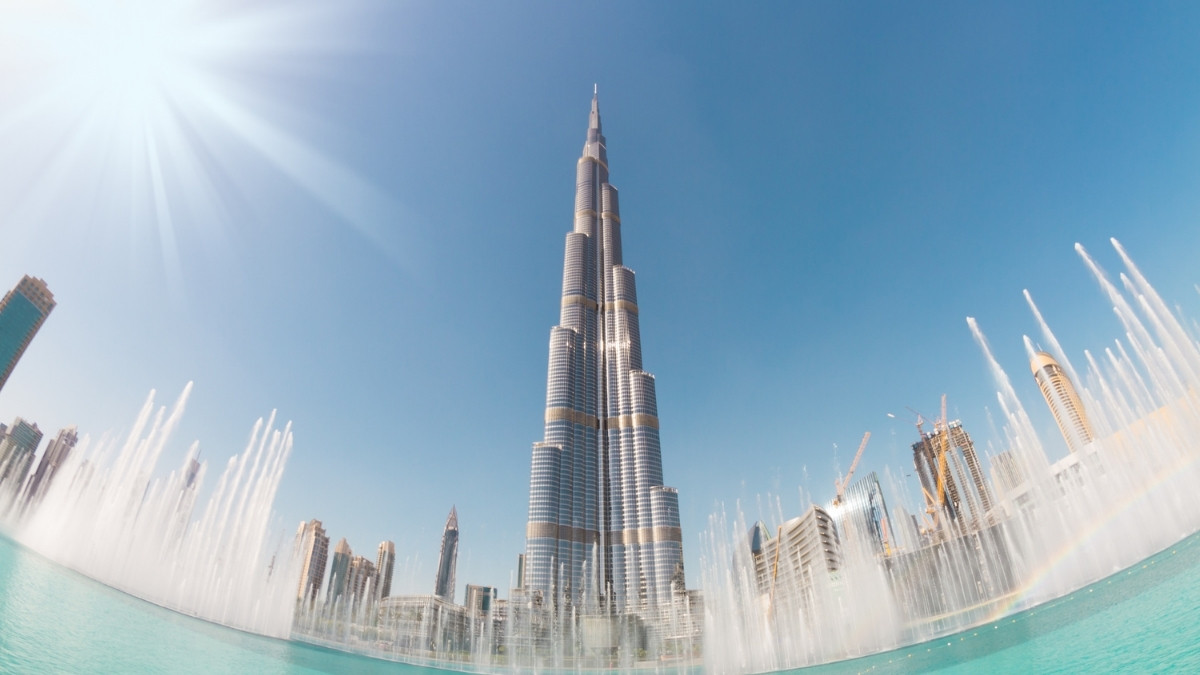
Burj Khalifa
Burj Khalifa ticket prices vary according to the observation deck, time slot and experience selected. Sunset periods are usually the most popular, so advance booking is recommended.
Check the official ticket platform shortly before travelling because prices, packages and operating times can change.
Location and How to Reach the UAE
The United Arab Emirates is located on the Arabian Peninsula and consists of seven emirates: Abu Dhabi, Dubai, Sharjah, Ras Al Khaimah, Fujairah, Ajman and Umm Al Quwain.
Arriving by Air
The main international gateways are:
- Dubai International Airport
- Zayed International Airport in Abu Dhabi
- Sharjah International Airport
- Ras Al Khaimah International Airport
Emirates and flydubai operate primarily through Dubai, while Etihad Airways is based in Abu Dhabi. Air Arabia also connects several UAE airports with regional and international destinations.
Travelling Between Emirates
The UAE has a well-developed road network, making it practical to combine multiple emirates in one trip. Intercity buses connect major urban areas, while taxis are widely available.
Air-conditioned buses and taxis operate throughout the emirates. Dubai also has metro and tram services, including a Metro Red Line that connects Dubai International Airport with major districts such as Downtown Dubai, Dubai Marina and Expo City Dubai.
Renting a car is useful for visiting Jebel Jais, Fujairah, desert resorts, remote beaches and mountain areas. Travellers staying mainly in central Dubai may find the metro and taxis more convenient than driving.
UAE Tourist Visa Information
Visa requirements depend on your nationality. Some travellers qualify for visa-free entry or a visa on arrival, while others must arrange a tourist visa before departure.
The UAE Government advises eligible travellers to apply through official channels, UAE-based airlines, licensed hotels or authorised travel agencies. A five-year multiple-entry tourist visa is also available to qualifying applicants under specified financial, insurance and travel conditions.
Check the latest requirements before purchasing non-refundable flights.
Practical UAE Travel Tips
Book Winter Accommodation Early
Hotels in popular areas such as Downtown Dubai, Dubai Marina, Palm Jumeirah, Yas Island and Saadiyat Island can become expensive during winter.
Reserve early when travelling between November and March, particularly around holidays and major events. Abu Dhabi’s official tourism guide also advises winter visitors to book accommodation early.
Carry Sun Protection All Year
Use sunscreen even during winter. The temperature may feel comfortable, but direct sunlight can remain strong around beaches, pools and desert areas.
A hat, sunglasses and reusable water bottle are useful throughout the year.
Plan Summer Days Carefully
During summer, schedule outdoor stops before 10:00 am or after sunset whenever possible.
Use taxis for short transfers, avoid unnecessary walking at midday and allow recovery time between attractions.
Dress Respectfully
The UAE is modern and internationally oriented, but modest clothing is appropriate in government buildings, heritage sites, mosques and traditional neighbourhoods.
Mosques apply stricter dress codes. At Sheikh Zayed Grand Mosque, shoulders and knees must be covered, while women are required to follow the mosque’s head-covering and modest-dress guidance.
Confirm Friday and Holiday Hours
Some cultural sites and government attractions have different Friday hours. Religious holidays and Ramadan can also affect schedules.
Check the official website on the day before your visit rather than relying only on old directory listings.
Allow More Time for Cross-Emirate Trips
Traffic can become heavy between Dubai and Sharjah during commuting periods. Avoid scheduling tightly timed tours immediately after an inter-emirate transfer.
Respect Desert and Mountain Conditions
Use established operators for desert safaris and follow marked routes in mountain areas. Carry water, ensure your phone is charged and avoid isolated hiking routes during intense heat.
Nearby Attractions and Destinations
Dubai
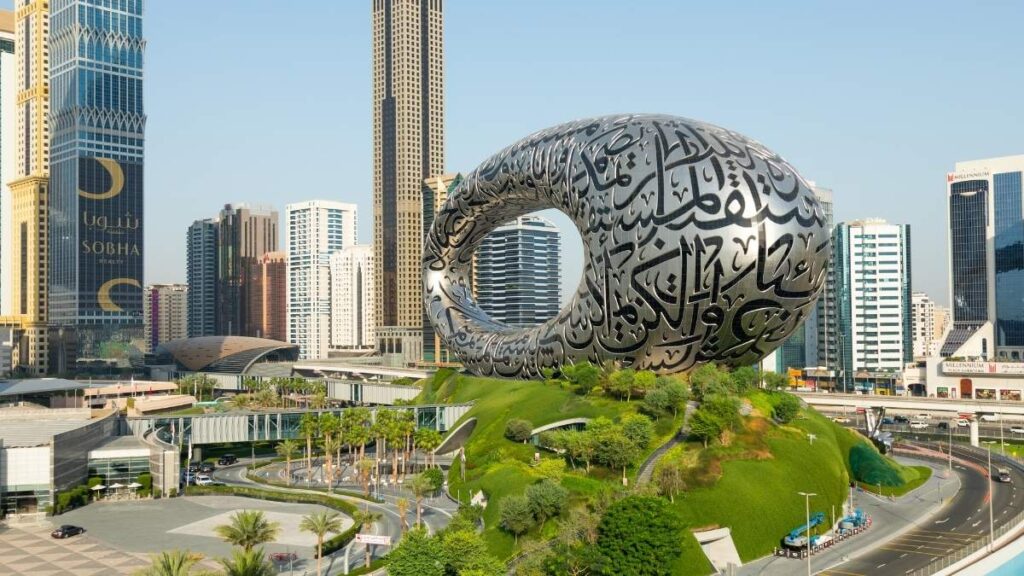
Combine the Burj Khalifa and Dubai Mall with the Museum of the Future, Dubai Frame, Al Fahidi Historical Neighbourhood and an evening around Dubai Creek.
For outdoor variety, consider a desert safari or a trip to Hatta. Dubai Metro provides access to several major districts, while desert and mountain locations normally require a car or organised tour.
Abu Dhabi
Key attractions include Sheikh Zayed Grand Mosque, Louvre Abu Dhabi, Qasr Al Watan, the Corniche, Saadiyat Island and Yas Island.
Louvre Abu Dhabi can be reached by city bus, taxi, car and selected visitor shuttle services. The mosque is especially attractive around dusk, when the white exterior changes with the evening light.
Sharjah
Sharjah is well suited to travellers interested in museums, Islamic art, heritage districts, family attractions and traditional markets.
The emirate also offers beaches, hiking trails, desert landscapes and access to the Hajar Mountains and Gulf of Oman coast.
Ras Al Khaimah
Ras Al Khaimah is a strong addition for mountain scenery, beaches and adventure tourism.
Jebel Jais, the UAE’s highest mountain, offers hiking, viewing areas and several organised adventure experiences. Winter is the best season for exploring the mountain comfortably.
Fujairah
Fujairah lies on the UAE’s eastern side along the Gulf of Oman. Its landscape includes beaches, coral reefs, mountain scenery, historic forts and traditional villages.
Popular options include Al Aqah Beach, Al Bidya Mosque, Fujairah Fort and Wadi Al Wurayah.
Frequently Asked Questions
1. What is the best month to visit UAE?
November, December, January, February and March all offer good conditions. December is particularly attractive for events and pleasant evenings, while January is normally the coolest month in Dubai.
2. What is the cheapest month to visit the UAE?
June, July, August and September frequently offer lower hotel prices because of the summer heat. April, May and late September may provide a better balance between cost and weather.
3. Is December a good time to visit UAE?
Yes. December is one of the best months for sightseeing, beaches, outdoor dining and desert trips. It is also busy, so hotels and popular attractions should be booked early.
4. Is it too hot to visit the UAE in summer?
Summer temperatures can reach approximately 40°C to 45°C, making extended outdoor sightseeing difficult. A summer visit remains possible when the itinerary focuses on indoor attractions, pools, waterparks and evening activities.
5. Can tourists visit the UAE during Ramadan?
Yes. Tourists are welcome during Ramadan. Visitors should dress respectfully, expect adjusted hours and be considerate of people who are fasting. Evenings are often lively, with iftar meals, shopping and cultural activities.
6. How many days are enough for a UAE trip?
Seven to ten days is suitable for a first trip combining Dubai and Abu Dhabi. Add three or four more days when including Sharjah, Ras Al Khaimah, Fujairah or a desert resort.
7. When is the best time for a Dubai desert safari?
November to March offers the most comfortable desert conditions. October and April can also work, although afternoons may be warmer.
8. What should I wear in the UAE?
Light and breathable clothing is suitable for most of the year. Carry a sweater for air-conditioned venues and cooler winter evenings. Wear modest clothing at mosques, traditional areas and government buildings.
9. Is the UAE expensive during winter?
Winter is the peak travel season, so hotels and flights can cost more. Booking early, staying outside the most famous tourism districts and using public transport can help reduce expenses.
10. Is October or April better for visiting the UAE?
Late October usually offers better conditions for a beach-focused holiday, while early April can be excellent for sightseeing before the strongest summer heat arrives. Both are useful shoulder-season options.
Conclusion
The best time to visit UAE is from November to March for comfortable weather, outdoor sightseeing, beaches and desert experiences. November and March provide a good balance of warmth and manageable crowds, while December through February delivers the coolest conditions and busiest tourism calendar.
Travellers seeking better hotel value can consider April, May, late September or October. Summer trips from June to September are best suited to resort stays, waterparks, shopping and indoor entertainment rather than full-day outdoor exploration.
The UAE changes dramatically with the seasons. A winter visitor may spend the day walking through heritage districts and dining beside the sea, while a summer traveller may build an equally enjoyable trip around museums, resorts and evening attractions. Choosing the right period for your interests is more important than simply selecting the coolest month.