A Dubai desert safari takes you beyond the busy city into wide sand dunes, where you can experience thrilling activities, beautiful sunsets and Emirati culture. From dune bashing and camel riding to desert camps and traditional food, a well-planned safari offers a memorable half-day adventure for families, couples and solo travellers.
The difficulty is choosing the right tour. Search results can make every package look identical, even though a low-cost shared outing, a wildlife drive in a protected reserve and a private dinner in the dunes are very different products. This Desert Safari Guide explains those differences, gives realistic 2026 price ranges and covers timings, transport, safety, clothing and booking questions. It focuses on Dubai while adding advice that is useful across the UAE.
Table of Contents
- Safari types and activities
- Best season and booking advice
- Prices, entry information and timings
- Locations, transport and nearby attractions
- Safety, clothing and responsible travel
- Frequently asked questions
What Is a Dubai Desert Safari?
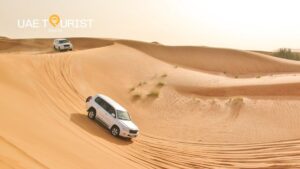
A Dubai desert safari is an organised excursion from the city into one of the surrounding desert areas. Most tours use a licensed 4×4 vehicle and combine transport with several activities. Depending on the package, these may include dune driving, a sunset stop, sandboarding, a short camel ride, falconry, wildlife viewing, dinner and live entertainment at a desert camp.
There is no central safari entrance. Al Awir is common on value-focused tours, Lahbab is known for taller red dunes, and Al Marmoom suits wildlife and heritage experiences. The Dubai Desert Conservation Reserve, or DDCR, offers controlled access through approved excursions. Adventure seekers may prefer Lahbab, while families and nature enthusiasts may be happier with a gentle wildlife drive.
Types of Desert Safari in Dubai
Morning Desert Safari
Morning tours usually begin with hotel pickup between 7:00am and 9:00am and return around midday. They suit travellers with an evening flight, a dinner reservation or limited time in Dubai. A standard morning package may include dune driving, sandboarding, a camel ride and refreshments. Some conservation tours replace aggressive dune bashing with a slower nature drive.
The air and light are often better early in the day, but many morning packages exclude a full meal and entertainment.
Evening Desert Safari
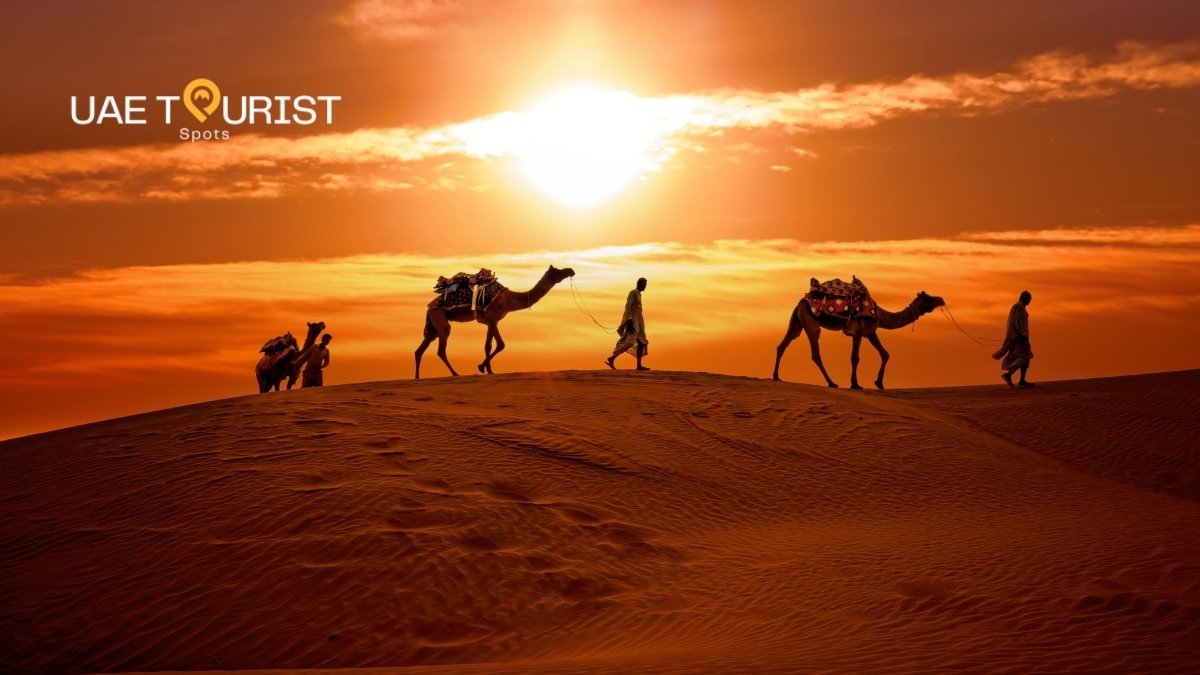
The evening safari is the most popular all-round option. Pickup commonly takes place from about 2:30pm to 4:00pm, depending on the season, sunset time and collection route. Guests usually return between 9:00pm and 10:30pm.
It is a convenient first choice because dune driving, sunset photographs, camp activities, dinner and performances fit into one outing.
Private and VIP Desert Safari
Private packages reserve the vehicle for one group, although the camp may still be shared unless the listing specifically promises a private setup. The main benefits are direct pickup, more control over stops and no waiting while several hotels are served. Families with young children and travellers who want a gentler drive often find the extra cost worthwhile.
“VIP” may mean only table service in a shared camp. Ask whether the vehicle, guide, dining area or entire camp is actually private.
Heritage and Conservation Safari
These experiences prioritise ecology, wildlife and local culture. The route may pass through DDCR or another managed conservation area, where visitors could see Arabian oryx, gazelles and native desert plants. Programmes often include a trained conservation guide, falconry, cultural interpretation and a meal in a smaller camp.
Controlled access and smaller groups make these tours more expensive, but the quieter setting and expert interpretation can justify the difference.
Overnight Desert Safari
An overnight safari continues after the evening guests leave. Typical elements include dinner, stargazing, a basic tent or private room, breakfast and a sunrise activity. Quality varies widely. Confirm the sleeping arrangement, bedding, bathroom access, air conditioning, shower facilities, breakfast and morning transfer time.
Winter is the most comfortable camping season, although a warm layer is still useful after sunset.
Dune Buggy and Quad Bike Safari
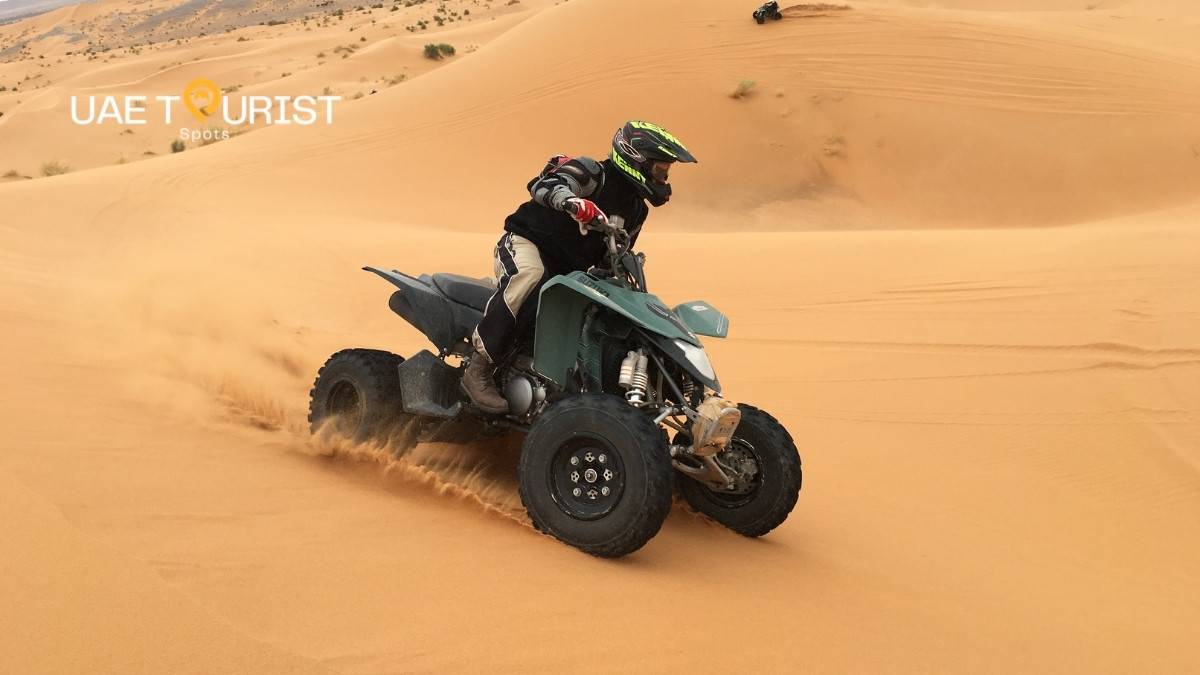
Quad bikes and dune buggies are usually optional add-ons or separate adventure products. A quad-bike area near a camp is not necessarily the same as an extended guided ride in open desert. Check the driving duration, permitted zone, engine size, minimum age, helmet provision, insurance conditions and whether a guide leads the route.
An “included” quad ride may last only a few minutes in a fenced area, so confirm the route and driving time.
What Happens on a Typical Evening Desert Safari?
Hotel Pickup and Journey to the Desert
Shared vehicles usually collect guests from several hotels or designated points. The drive can take 45 to 90 minutes once traffic and multiple pickups are included. Keep water, sunglasses and any medicine in a small bag that stays with you.
Dune Bashing or Nature Drive
Dune bashing is a fast, rolling 4×4 drive over sand ridges. A nature drive is slower and focuses on landscape, animal tracks and wildlife. Choose according to health, comfort and interests.
Sunset Stop, Sandboarding and Camel Ride
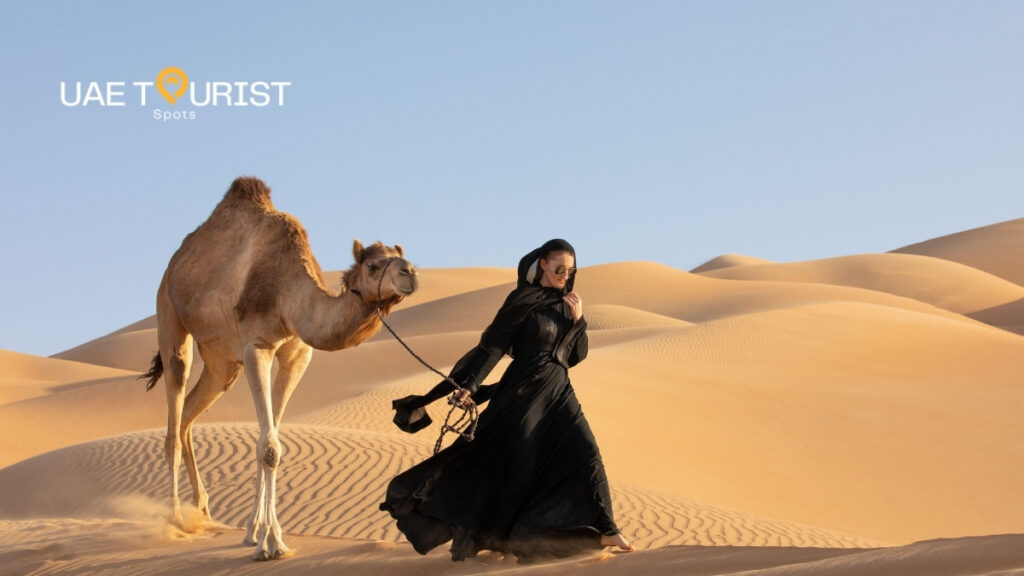
Sunset stops are brief, so keep your camera ready. Sandboarding is usually beginner-friendly, while an included camel ride may be only a short photo loop. Longer treks should be advertised separately.
Desert Camp, Dinner and Entertainment
Large camps can host several groups. Common inclusions are soft drinks, henna, traditional dress photographs, a buffet and stage shows; premium camps may offer table service or plated menus. Programmes can change during Ramadan, religious occasions or official mourning.
Best Time for a Dubai Desert Safari
October to April: Best Overall Weather
Dubai’s most comfortable outdoor season generally runs from October to April. Daytime conditions are milder, and evenings from December to February can feel surprisingly cool. This is the best period for overnight camping, longer camel rides and relaxed outdoor dining. It is also the busiest season, so good operators and private vehicles can sell out.
May to September: Lower Prices, Greater Heat
Safaris continue in summer, but intense heat changes the experience and some heritage products pause for part of the season.Some heritage operators pause or adjust selected tours during the hottest months, so check the operator’s current schedule before booking.
In hotter months, choose early morning or late evening, confirm air-conditioned facilities and minimise time outdoors during the afternoon.
Sunrise or Sunset?
Sunrise offers soft light and fewer crowds; sunset brings richer colour and dinner. Photographers gain the most flexibility from a private tour.
How to Choose the Best Desert Safari
Do not choose on price alone. Start with the experience you want, then compare what is genuinely included.
| Traveller | Best option | Why it works |
|---|---|---|
| First-time visitor | Evening shared safari | Covers the classic activities in one trip |
| Family with young children | Private gentle safari | More control over driving intensity and stops |
| Nature enthusiast | Conservation safari | Guided wildlife viewing and protected landscapes |
| Couple celebrating an occasion | Private premium dinner | Quieter service and a more personal setting |
| Short-stay traveller | Morning safari | Leaves the afternoon and evening free |
| Adventure seeker | Lahbab tour with guided buggy ride | Taller red dunes and dedicated driving time |
| Photographer | Sunrise or private sunset tour | Better light and greater flexibility |
Check the Operator, Vehicle and Insurance
Choose a properly licensed Dubai tour operator and confirm that the desert safari vehicle is licensed for the activity. Dubai’s Department of Economy and Tourism regulates tourism businesses and desert safari vehicles. Reputable companies state their legal business name, cancellation policy, contact details and safety restrictions clearly.
Also check seat belts, child-seat availability and insurance for motorised add-ons. A polished social-media page is not proof of licensing.
Read the Inclusions Line by Line
Confirm the pickup zone, vehicle type, drive duration, camp arrangement, meal, drinks, activity lengths and return time. “Private safari” may still use a shared camp. “Camel ride” may mean a short photo loop. “BBQ dinner” may not include premium drinks, and souvenir photographs are commonly extra.
Use recent reviews to spot repeated problems such as late pickup, crowded camps or aggressive upselling.
Desert Safari Prices and Entry Information for 2026
A safari is normally sold as a tour package rather than an admission ticket. The following ranges are planning estimates, not fixed gate prices.
| Safari type | Typical 2026 planning range | Common inclusions |
|---|---|---|
| Basic shared evening safari | AED 100–250 per person | Shared transfer, dune drive, short camel ride, camp and buffet |
| Morning safari | AED 180–350 per person | Transfer, dune drive or nature drive, sandboarding and refreshments |
| Premium or conservation safari | AED 350–900+ per person | Specialist guide, reserve access, wildlife drive and upgraded meal |
| Private vehicle safari | AED 650–2,000+ per vehicle | Exclusive 4×4 for up to the stated capacity; camp may be shared |
| Overnight safari | AED 600–2,500+ per person or package | Evening programme, accommodation, breakfast and sunrise activity |
| Quad bike or dune buggy | AED 150–1,500+ add-on | Price varies greatly by vehicle, route and driving time |
Official and established operator listings checked in August 2026 show how wide the market is: Visit Dubai displays a six-hour evening option from AED 130 for adults, while conservation drives can begin around AED 495 per adult. Premium private experiences can run into several thousand dirhams.
Prices rise on holidays and peak winter dates. Request the final amount including VAT, pickup, reserve fees, meals and selected activities.
Dubai Desert Conservation Reserve Visitor Centre Entry
The DDCR Visitor Centre is separate from most safari packages. Its official 2026 listing gives free entry to children under five; check the live rate for other visitors. General admission does not permit independent driving inside the reserve.
Opening Hours and Typical Safari Timings
Desert safaris do not have universal opening hours. Each operator schedules tours around the season, sunset and camp programme.
- Morning safaris: usually 7:00am–12:30pm
- Evening safaris: usually 2:30pm–10:30pm
- Sunrise tours: pickup may be before 5:00am in summer
- Overnight safaris: afternoon pickup with return after breakfast the next day
One established operator currently estimates an 8:30am to noon morning trip and a 4:00pm to 9:30pm evening trip. Collection times depend on traffic and route planning.
The DDCR Visitor Centre’s current official listing gives opening hours of 10:00am to 6:00pm daily. It also notes Tuesday and Wednesday closures during Ramadan. Recheck the schedule before travelling because seasonal and religious-period arrangements can change.
Desert Safari Location and How to Reach
Main Desert Areas Near Dubai
Al Awir: East of central Dubai and often used for accessible, value-focused tours.
Lahbab: Southeast of the city and recognised for orange-red dunes, roughly 50 to 75 minutes from Downtown Dubai.
Al Marmoom Desert Conservation Reserve: South of the city, with lakes, cycle tracks, wildlife and cultural experiences.
Dubai Desert Conservation Reserve: A protected area near Margham, reached through approved excursions or by driving to the Visitor Centre. The official address is Dubai Desert Conservation Reserve, Margham Gate, Dubai, UAE.
Getting There
Hotel pickup is simplest because the metro does not reach desert camps. Shared transfers may charge extra for distant areas, airports or other emirates, so get the exact meeting point in writing.
Self-drive guests should use the operator’s pin and keep standard rental cars on paved roads. Dune driving requires training, suitable equipment and recovery gear.
Safety, Clothing and What to Pack
Who Should Avoid Dune Bashing?
Pregnant travellers and people with spinal, neck, heart or serious medical conditions should not join dune bashing unless a qualified medical professional and the operator confirm a suitable alternative. Established operators commonly exclude these guests from the dune-drive section while allowing them to travel directly to camp. Infants and very young children may also face restrictions or require a private vehicle.
Disclose health conditions before booking. A gentle road transfer, nature drive or Visitor Centre trip avoids the intense motion.
What to Wear
Choose loose, breathable clothing and secure footwear. Trainers or closed sandals are better than loose flip-flops for climbing dunes. Bring a light jacket from November to March because evenings can feel cool after a warm day. Modest clothing is respectful at cultural camps and practical for sun protection.
Packing Checklist
- Sunscreen, sunglasses and a hat
- Refillable water bottle
- Light jacket in winter
- Essential medication and identification
- Phone power bank and protective pouch for electronics
Avoid a heavy meal immediately before dune bashing. Keep cameras protected from blowing sand, and do not change lenses in exposed conditions unless necessary.
Responsible Desert Travel and Cultural Etiquette
Choose operators that use authorised routes, manage waste and limit wildlife disturbance. Never ask a driver to chase animals for a photograph.
Do not feed wildlife, and remove all waste. For animal encounters, look for calm handling, shade, water and reasonable working periods.
Ask before photographing people. Entertainment or alcohol service may be reduced during Ramadan and other religious occasions.
Practical Travel Tips
- Book several days ahead from November to March, and earlier for private tours.
- Confirm whether the advertised duration includes hotel transfers.
- Request a private vehicle for motion sensitivity, young children or a tight schedule.
- Arrange dietary or allergy requirements before the tour.
- Check cancellation, weather and activity-change policies.
- Confirm quad-bike duration, route and insurance.
- Avoid an unverified reseller offering an unusually low cash price.
- Keep the next morning flexible after an overnight safari.
Nearby Attractions to Combine With a Desert Safari
Nearby is relative because safari routes can be far apart. Check your actual camp location before building an itinerary.
Al Qudra Lakes and Love Lake
These man-made lakes within the wider Al Marmoom area are popular for birdwatching, picnics and sunset drives. They pair naturally with an Al Marmoom visit, but facilities are limited in some sections, so carry water and leave no waste.
Global Village
Global Village is a seasonal evening attraction featuring country pavilions, food and entertainment. It can work on another evening before or after a desert day, but combining it with a full evening safari would feel rushed.
Dubai Safari Park
Dubai Safari Park is a wildlife attraction rather than a desert-safari base. It can complement the nature theme on a separate day, especially for families, but should not be confused with DDCR or a dune safari.
Frequently Asked Questions
1. How much does a desert safari cost in Dubai in 2026?
Shared evening packages are often AED 100–250 per person. Conservation tours commonly start above AED 350, while private experiences range from AED 650 to several thousand dirhams.
2. Which desert safari is best for first-time visitors?
An evening safari with licensed pickup, a moderate dune drive, sunset stop and dinner offers the broadest introduction.
3. Is a Dubai desert safari safe?
Use a licensed operator, wear the seat belt, follow instructions and disclose medical conditions. Adventure activities still carry risk.
4. Can pregnant women go on a desert safari?
Pregnant guests should avoid dune bashing. Arrange a gentle itinerary in advance and consult a healthcare professional.
5. Are children allowed on desert safaris?
Yes, but age rules vary. Ask about baby restrictions, child seats, private-vehicle requirements and gentle alternatives.
6. What should I wear for a desert safari?
Wear breathable clothes, secure shoes, sunglasses and a hat, plus a jacket on winter evenings.
7. Is food included in every safari?
No. Evening tours often include a buffet; morning tours may offer only breakfast or refreshments. Check the details.
8. How long does an evening desert safari take?
Most take six to eight hours, with mid-afternoon collection and return around 9:00pm to 10:30pm.
9. Is dune bashing compulsory?
No. Book a gentle safari, wildlife drive or direct camp transfer before the departure day.
10. Can I reach a desert safari by metro or taxi?
The metro does not reach desert camps. A package with confirmed return transport is easier than arranging a taxi.
Conclusion
The best desert safari is not necessarily the package with the most activities. It is the one that matches your pace, health needs, interests and budget while using a properly licensed operator. A shared evening trip delivers the classic Dubai experience, a private vehicle offers flexibility, and a conservation safari reveals the landscape with greater depth.
Use this Desert Safari Guide as a framework, then verify the live price, pickup time, programme and safety restrictions. Travel responsibly and leave space to enjoy the quiet view across the dunes.