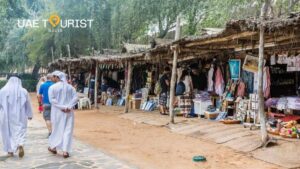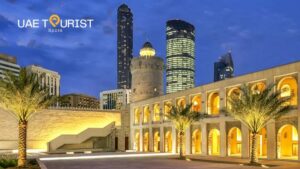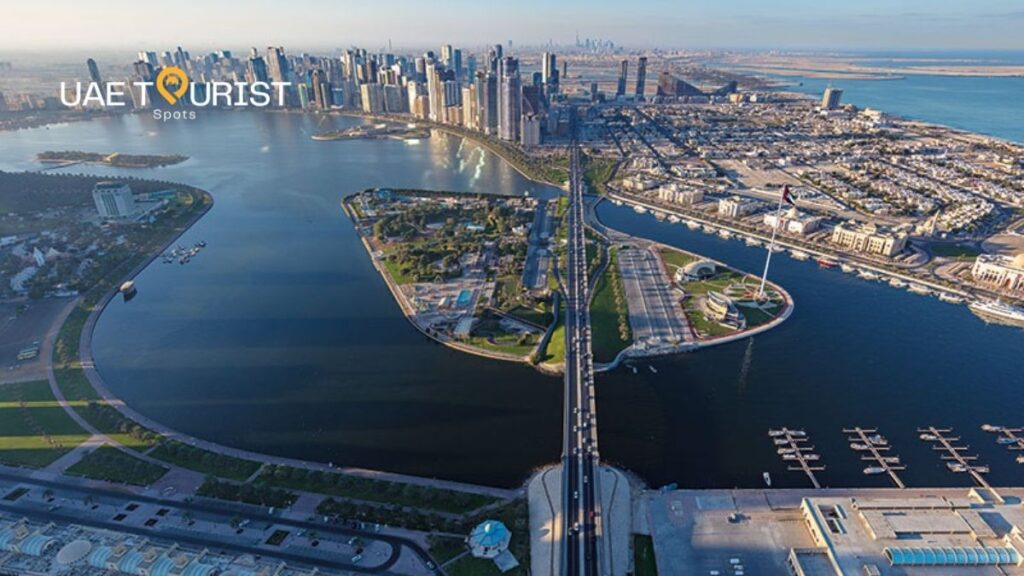
Sharjah offers a different side of the United Arab Emirates, shaped by museums, restored souks, contemporary art, family attractions, desert archaeology and east-coast scenery. The best places to visit in Sharjah are spread across three distinct areas: Sharjah City, the central desert region around Mleiha and the Gulf of Oman coast.
For a one-day visit, concentrate on the Heart of Sharjah, the Museum of Islamic Civilization and the Khalid Lagoon area. With two or three days, add Mleiha, Khorfakkan or Kalba rather than trying to cover the entire emirate in one rushed trip.
Visitor information in this guide was checked in August 2026. Opening hours, ticket prices and activity schedules can change during Ramadan, public holidays and special events, so confirm time-sensitive details before travelling.
Best Places to Visit in Sharjah at a Glance
| Place | Area | Suitable for | Suggested time | General cost |
| Heart of Sharjah | Sharjah City | Heritage and traditional architecture | 3-4 hours | District is free; individual museums may charge |
| Sharjah Museum of Islamic Civilization | Al Majarrah | Islamic history, art and science | 1.5-2 hours | Paid admission |
| Sharjah Art Foundation and Rain Room | Al Mureijah and Al Majarrah | Contemporary art | 2-3 hours | Galleries are usually free; Rain Room is paid |
| Al Noor Island | Khalid Lagoon | Gardens, butterflies and evening walks | 2-3 hours | Paid admission |
| Al Majaz Waterfront | Khalid Lagoon | Families, dining and evening views | 2-3 hours | Free entry; activities are paid |
| Al Qasba | Al Khan | Canal walks, art and restaurants | 2-3 hours | Free entry; activities are paid |
| Sharjah Aquarium and Maritime Museum | Al Khan | Families and marine life | 2-3 hours | Paid admission |
| Central Souk | Al Majaz | Architecture and shopping | 1-2 hours | Free to enter |
| Mleiha and Faya Palaeolandscape | Central Region | Archaeology, desert and stargazing | Half or full day | Paid centre and tours |
| Sharjah Desert Park | Al Batayeh | Arabian wildlife and family learning | 3-4 hours | Paid admission |
| Khorfakkan | East Coast | Beach, mountains and outdoor activities | Full day | Public areas are mostly free |
| Khor Kalba Mangrove Centre | Kalba | Wildlife, mangroves and birdwatching | 2-3 hours | Paid admission |
1. Explore the Heart of Sharjah
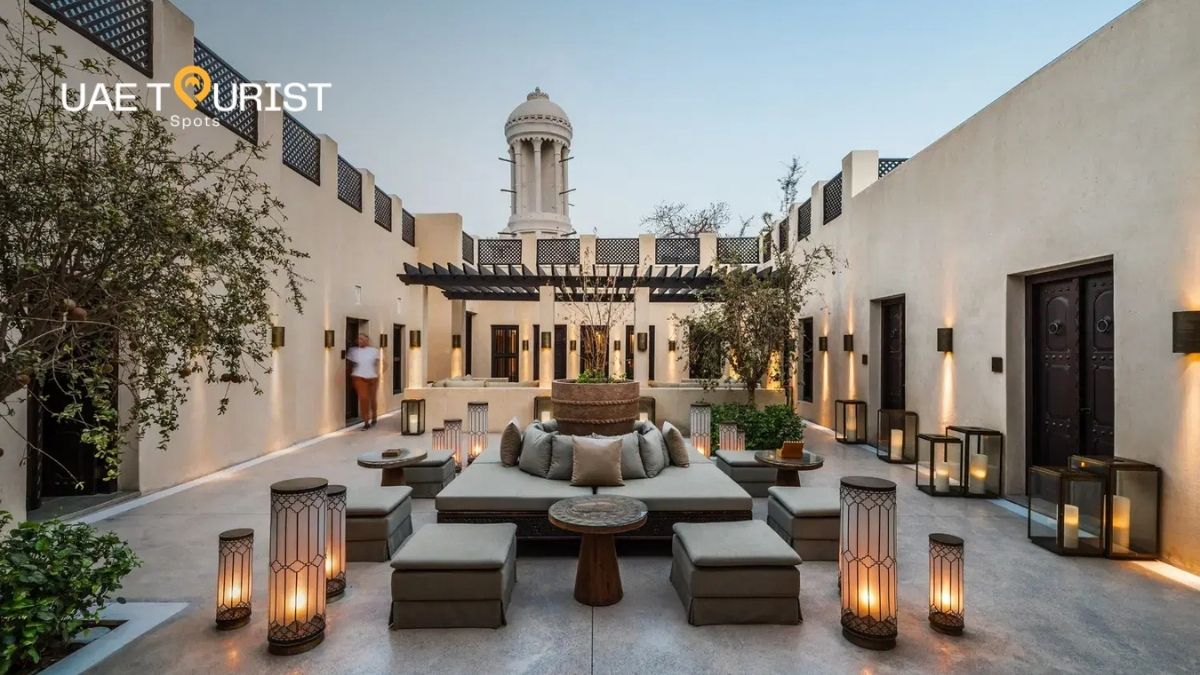
The Heart of Sharjah is the most useful starting point for understanding the emirate’s history. This walkable heritage district occupies part of Sharjah’s former commercial centre, where restored houses, shaded alleys, wind towers and traditional markets sit close together.
Places to consider within the district include Al Hisn Fort, Sharjah Heritage Museum, Sharjah Calligraphy Museum, Souq Al Arsah and Souq Al Shanasiyah. You do not need to enter every museum to appreciate the area. Walking through the courtyards and souqs already provides a clear view of traditional architecture and trading life.
Souq Al Arsah is particularly useful for visitors interested in incense, perfume, handicrafts, jewellery and Emirati-style gifts. Some independent shops may allow polite bargaining, but prices in cafés and formal outlets are normally fixed.
Allow at least three hours if you plan to visit a museum and stop for coffee. Museum and shop schedules differ, especially on Fridays, so check each venue separately.
2. Visit the Sharjah Museum of Islamic Civilization
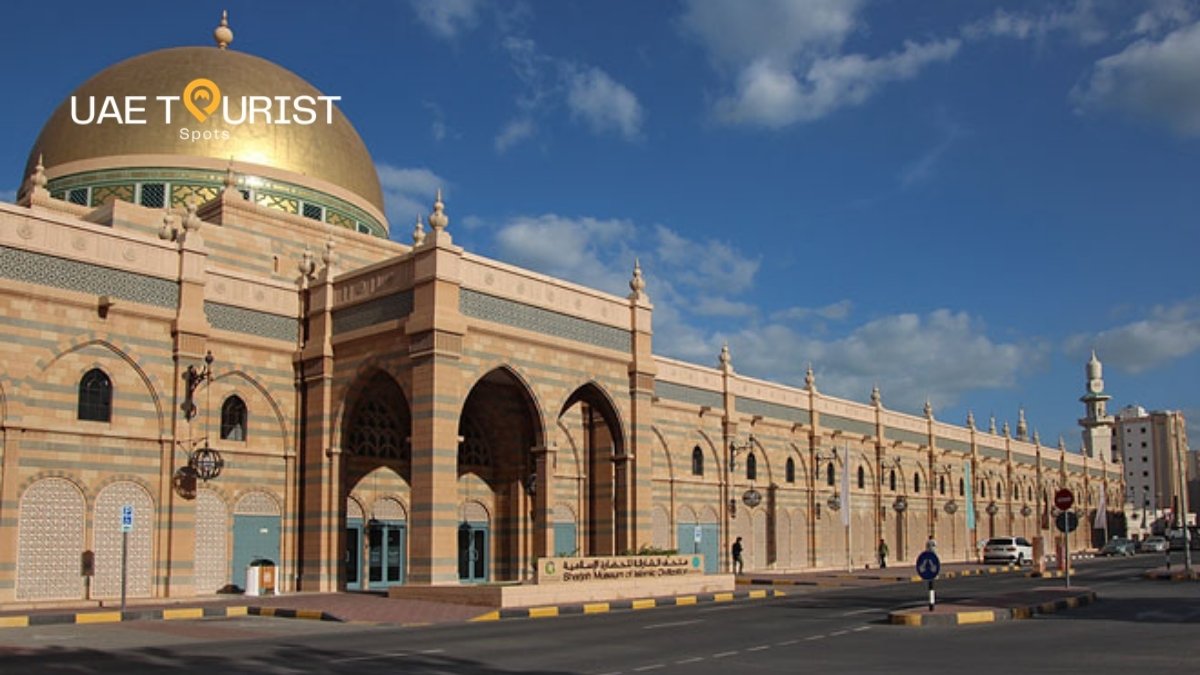
The Sharjah Museum of Islamic Civilization is housed in the former Souq Al Majarrah building, close to the Corniche. Its galleries explore Islamic faith, scientific knowledge, craftsmanship and art across different regions and historical periods.
The displays cover subjects such as astronomy, medicine, navigation, manuscripts, ceramics, metalwork and textiles. This makes the museum useful even for visitors who are not already familiar with Islamic history. Explanatory displays provide context rather than presenting the objects as decoration alone.
Plan around 90 minutes for a focused visit or two hours if you prefer to read the gallery information carefully. Check current admission prices and holiday hours through Sharjah Museums Authority before arriving.
3. Discover Sharjah Art Foundation and Rain Room
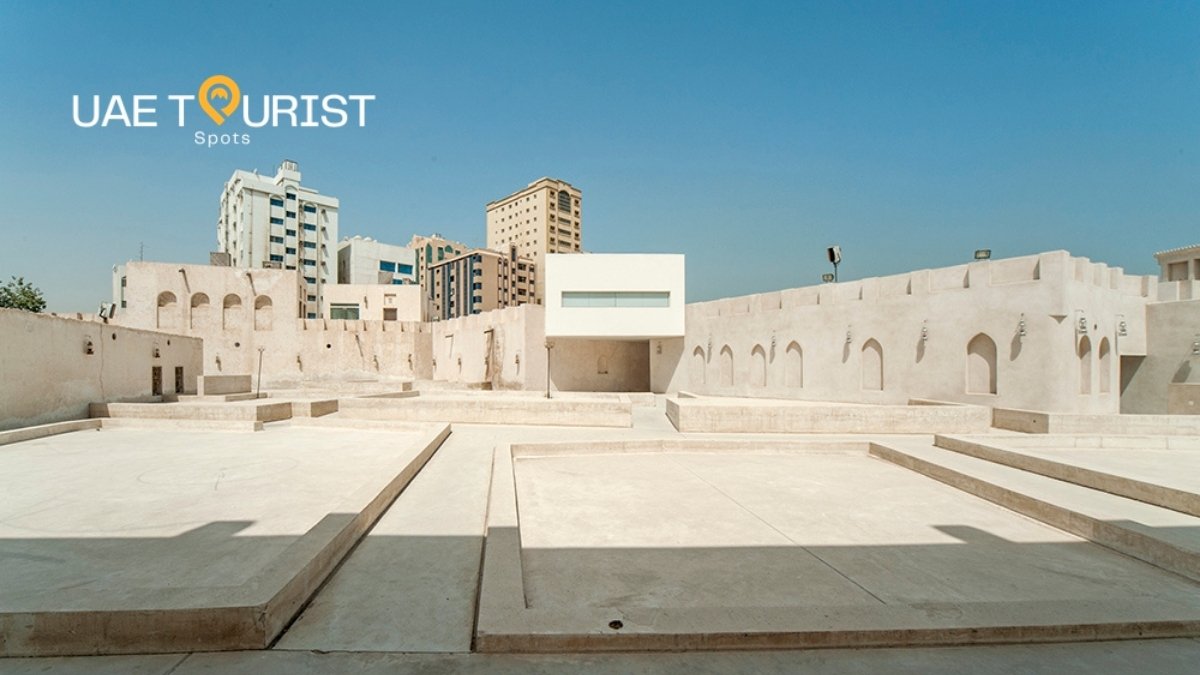
Sharjah Art Foundation operates exhibition spaces in and around Al Mureijah Square. Many are housed in restored buildings connected by courtyards, narrow lanes and public gathering spaces. Most exhibitions are free, although galleries can close temporarily while new shows are being installed.
Check the current exhibition programme before visiting. This is especially important if contemporary art is the main reason for your trip.
Rain Room is a separate permanent installation in Al Majarrah Park. Motion sensors pause the falling water around visitors as they walk slowly through a darkened space. Entry is organised in small timed groups, so advance booking is sensible on weekends and public holidays.
Rain Room Visitor Information
As verified in August 2026:
- Adult ticket: AED 25
- Student or teacher ticket: AED 15, with valid identification
- Children aged five and under: Free
- People with disabilities and one companion: Free
- Saturday to Thursday: 9:00 a.m. to 9:00 p.m.
- Friday: 4:00 p.m. to 10:00 p.m.
- Experience length: Approximately 10-15 minutes
Prices are in UAE dirhams and include VAT. Tickets are issued for a specific time and are generally non-refundable. Arrive at least 15 minutes early and avoid pointed heels, reflective clothing and sudden movements inside the installation.
4. Walk Through Al Noor Island
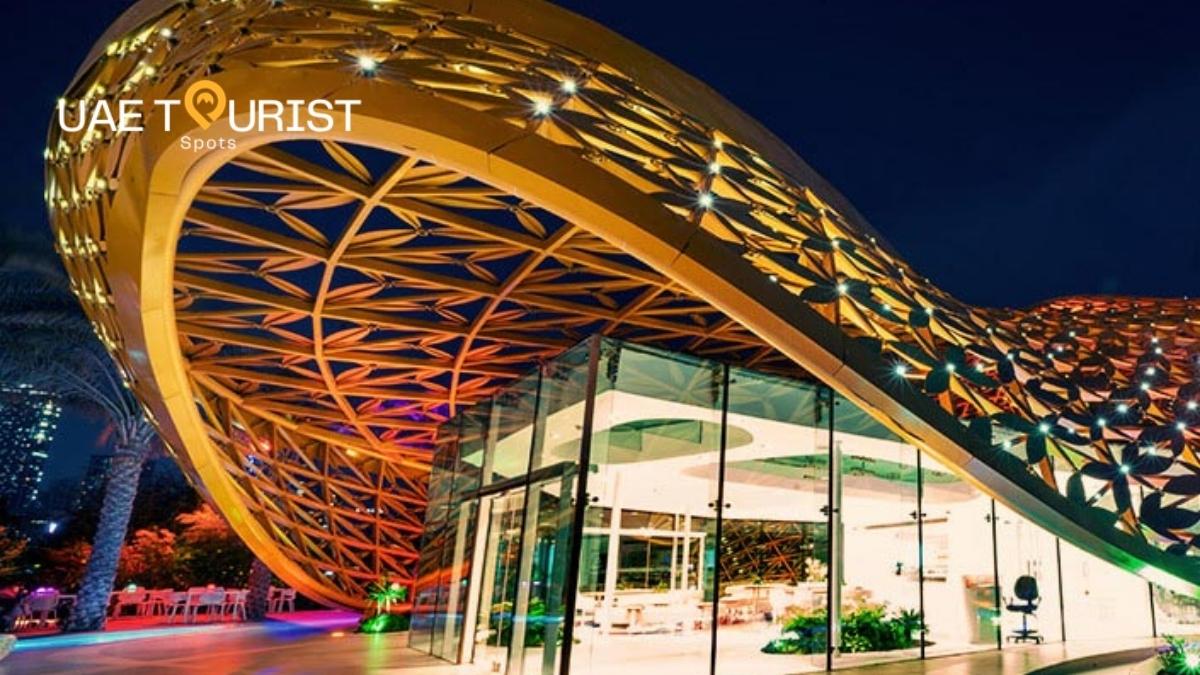
Al Noor Island brings gardens, sculptures and the Butterfly House together on Khalid Lagoon. A pedestrian bridge connects the island to the waterfront near Al Noor Mosque.
The Butterfly House is the main indoor attraction, while the surrounding paths offer landscaped gardens, art installations and seating areas. The island takes on a different character after sunset when its structures and foliage are illuminated.
A useful strategy is to arrive while the Butterfly House is still open, then remain for the evening lighting. The Butterfly House normally closes earlier than the island itself. Admission packages, tours and seasonal experiences vary, so check the current official schedule and ticket options before travelling.
The paths are generally easy to follow, but families with young children should allow extra time rather than treating the island as a quick photo stop.
5. Spend an Evening at Al Majaz Waterfront
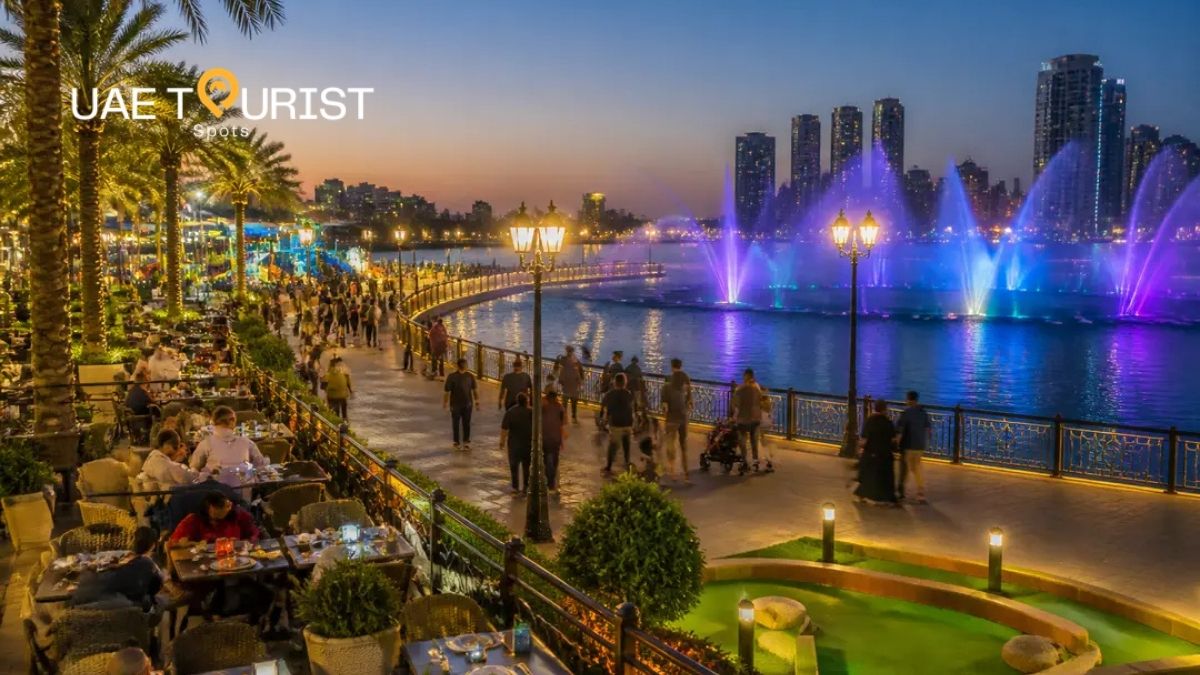
Al Majaz Waterfront is a landscaped dining and recreation area beside Khalid Lagoon. Its open promenade, play facilities, restaurants and views make it particularly suitable for families and evening visitors.
The waterfront is free to enter. Boat trips, children’s attractions, splash facilities and other organised activities have separate charges. The fountain show is also free, but performance times can change according to the season, prayer timings and special events.
Late afternoon works well during the cooler months. In summer, visit after sunset and choose an indoor restaurant or café if the humidity becomes uncomfortable.
Al Noor Island, Al Majaz Waterfront and Al Qasba are close enough to combine, but visiting all three properly on the same evening may feel rushed.
6. Follow the Canal at Al Qasba
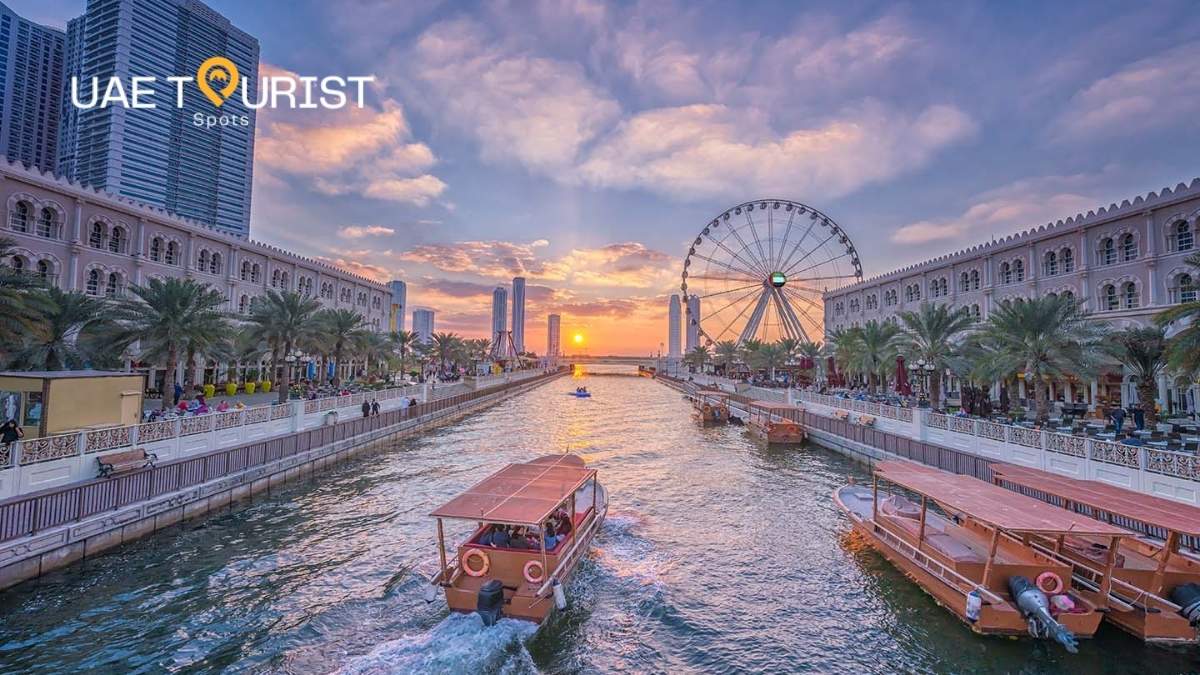
Al Qasba is built around a pedestrian canal lined with cafés, restaurants, exhibition spaces and family activities. It is an easy place to slow down after visiting museums or indoor attractions.
Maraya Art Centre hosts exhibitions and cultural programmes, while Al Qasba Theatre stages selected performances and family shows. Small boat tours and children’s entertainment are also available, with separate ticket charges.
The canal itself is free to explore. Come in the evening if you want to combine a walk with dinner, or visit during the day when an exhibition at Maraya Art Centre interests you. Theatre performances and temporary exhibitions should be checked in advance.
7. Combine Sharjah Aquarium with the Maritime Museum
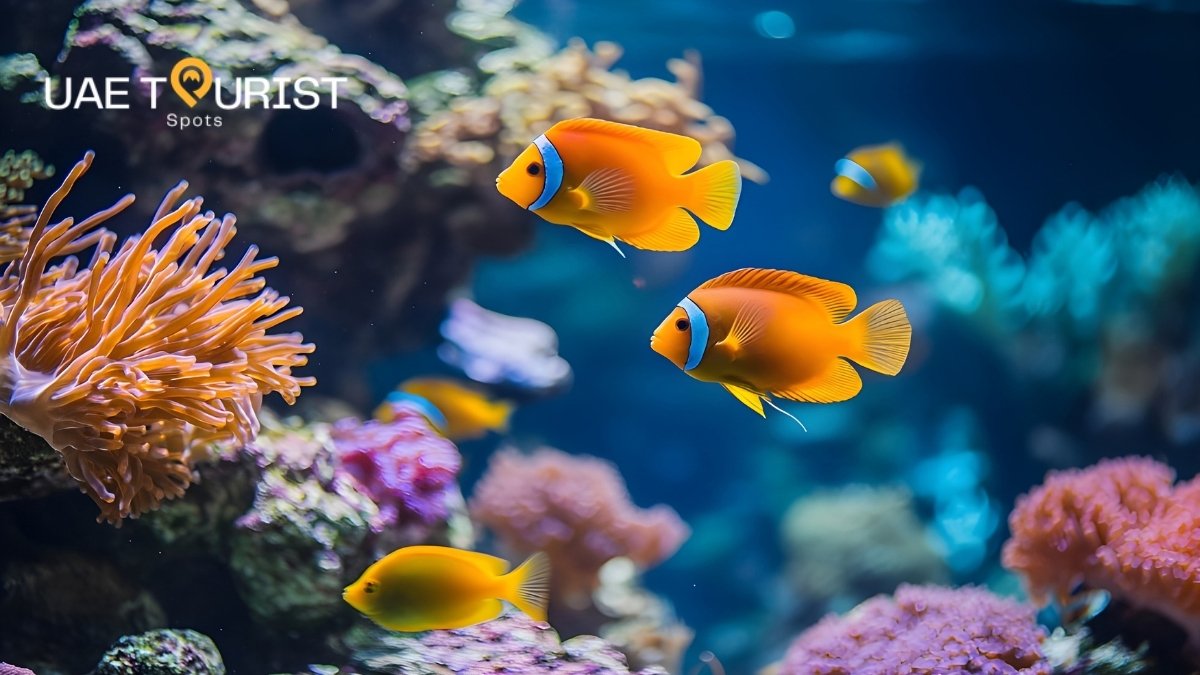
Sharjah Aquarium introduces visitors to marine habitats associated with the Arabian Gulf and Gulf of Oman. Its tanks contain local fish, rays, reef species and other marine life, with displays focused on environmental awareness.
The neighbouring Sharjah Maritime Museum explains how fishing, pearling, boatbuilding and trade shaped coastal life. Visiting both creates a more complete experience than treating the aquarium as a stand-alone family attraction.
The two venues are next to each other in Al Khan and can usually be covered in two to three hours. Combined admission arrangements may be available, but prices and weekly closing days should be confirmed through Sharjah Museums Authority.
Al Khan Beach is nearby if you want to add a short waterfront stop, although swimming conditions and beach rules should always be checked locally.
8. Shop at the Central Souk
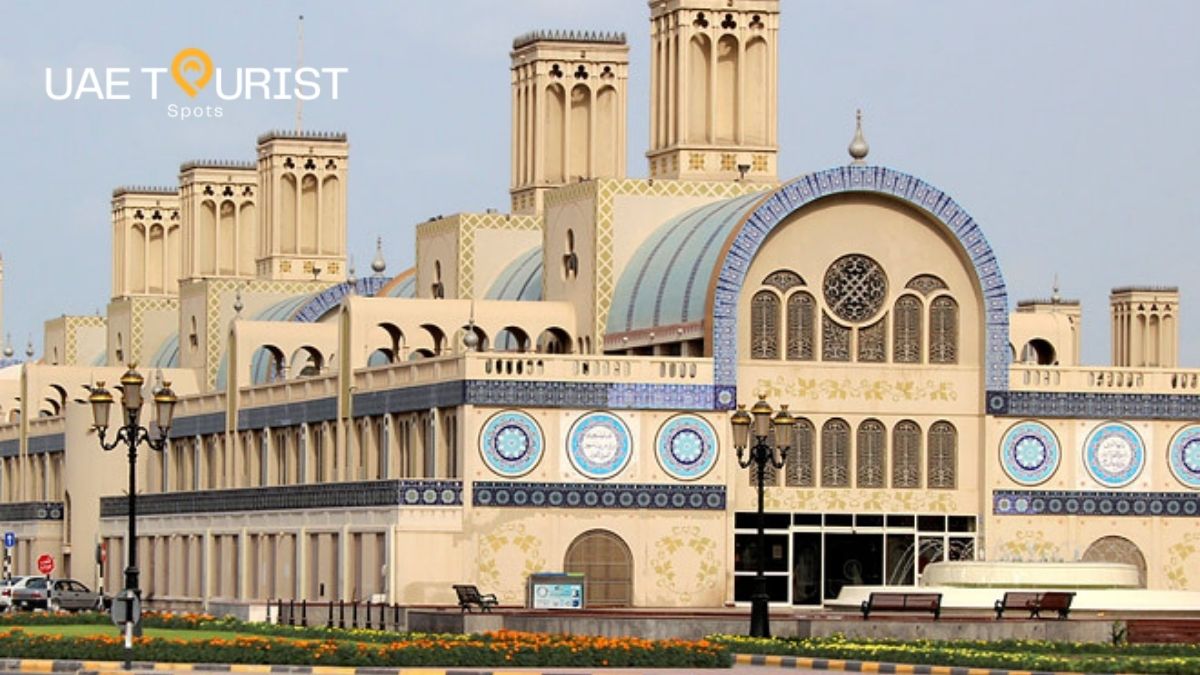
The Central Souk, commonly called the Blue Souk, is one of Sharjah City’s most recognisable commercial buildings. Its long blue-tiled exterior and arched design make it worth seeing even if shopping is not a priority.
Inside, shops sell jewellery, carpets, perfumes, clothing, souvenirs and household items. The experience is more structured than a small heritage souq, but prices still vary between retailers.
Compare prices before purchasing jewellery or carpets, request a receipt and ask clear questions about materials and workmanship. Bargaining may be acceptable in some independent shops, though not every seller expects it.
The souk can be combined with Al Noor Island or Al Majaz Waterfront because all three are around Khalid Lagoon.
9. Explore Mleiha and the Faya Palaeolandscape
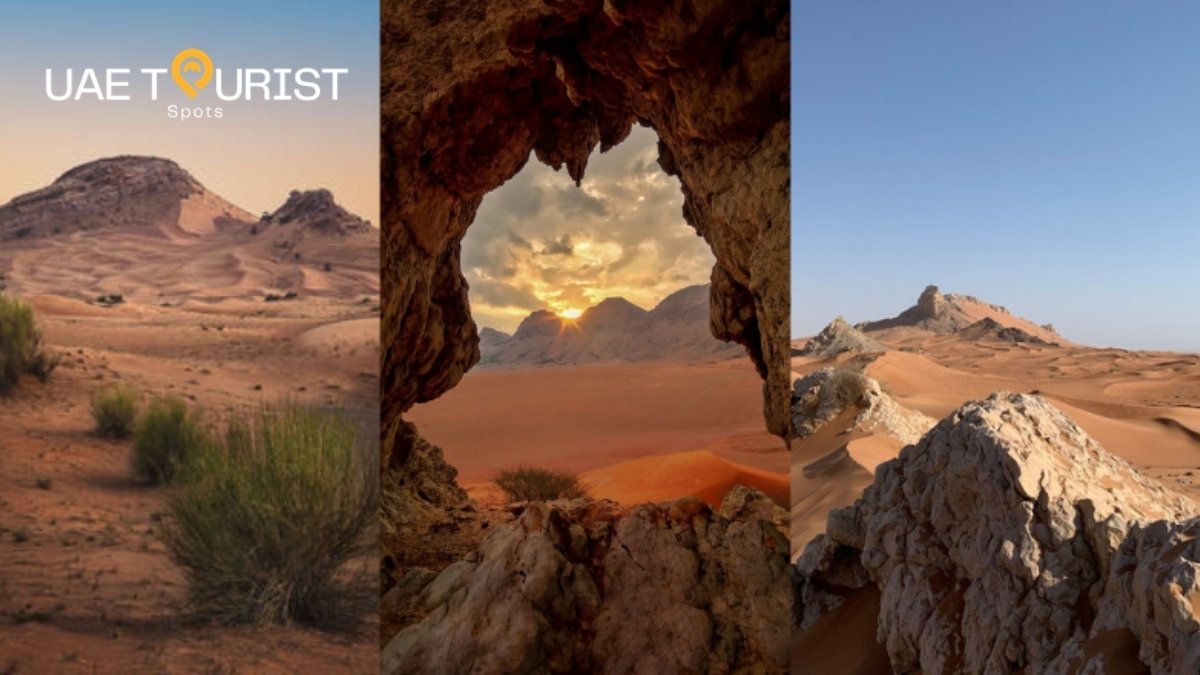
Mleiha is the strongest choice for travellers interested in archaeology, desert landscapes and the early human history of Arabia. The nearby Faya Palaeolandscape was added to the UNESCO World Heritage List in 2025 and preserves evidence of repeated human occupation across roughly 200,000 years.
Start at Mleiha Archaeological Centre for an introduction to the region’s excavations, tombs, tools and changing environment. From there, visitors can book guided archaeological tours, stargazing, desert drives and other outdoor experiences.
Activity prices vary widely, so it is better to select and book an experience in advance rather than arriving without a plan. Some programmes are seasonal or depend on weather conditions.
Fossil Rock is another recognised feature of the Mleiha landscape. Do not drive onto dunes or unmarked desert tracks in an ordinary vehicle. Use an experienced operator unless you have the correct four-wheel-drive vehicle, recovery equipment and desert-driving knowledge.
10. See Arabian Wildlife at Sharjah Desert Park

Sharjah Desert Park brings together several educational attractions focused on the natural environment of the Arabian Peninsula. Key components include Arabia’s Wildlife Centre, the Natural History and Botanical Museum and a children’s farm.
The wildlife centre is useful during warmer weather because much of the animal viewing takes place from climate-controlled indoor areas. The exhibits focus on species and habitats from the region rather than animals gathered from unrelated parts of the world.
Families should allow at least three hours. The different facilities may follow specific operating days and closing times, so confirm the full park schedule before making the drive.
For birdwatching closer to Sharjah City, Wasit Wetland Centre is a worthwhile alternative. It protects wetland habitat and provides observation areas for resident and migratory birds.
11. Plan a Full Day in Khorfakkan
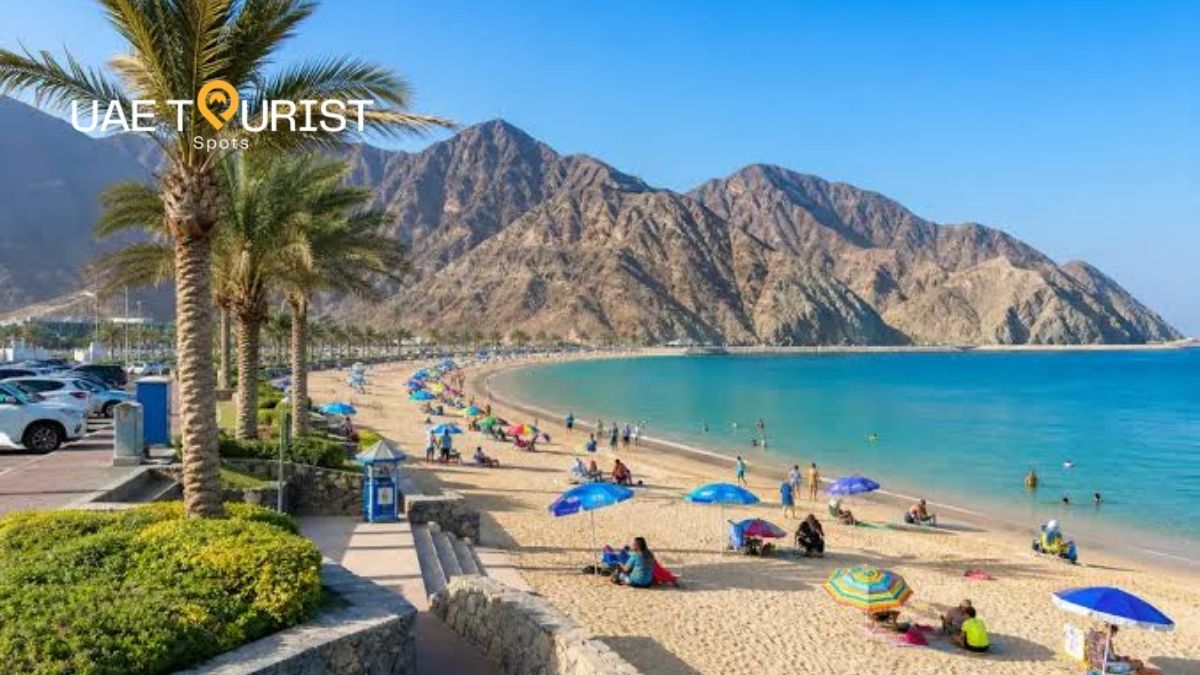
Khorfakkan lies on Sharjah’s east coast, facing the Gulf of Oman and surrounded by the Hajar Mountains. It requires a separate day from Sharjah City but rewards the journey with a combination of beach, mountain and cultural stops.
Popular places include Khorfakkan Beach, the Roman-inspired amphitheatre and the illuminated artificial waterfall beside it. Al Rafisah Dam is a convenient stop on the road, with mountain views, walking areas, food outlets and paid water activities.
Hikers can consider the Al Rabi trail, a marked 4-5 kilometre round trip that normally takes around two to three hours. Although often described as suitable for beginners, it still involves exposed climbing and should not be attempted in intense midday heat.
Carry water, wear shoes with suitable grip and check weather conditions. Heavy rainfall can affect mountain and wadi areas even when conditions appear normal elsewhere.
12. Visit the Khor Kalba Mangrove Centre
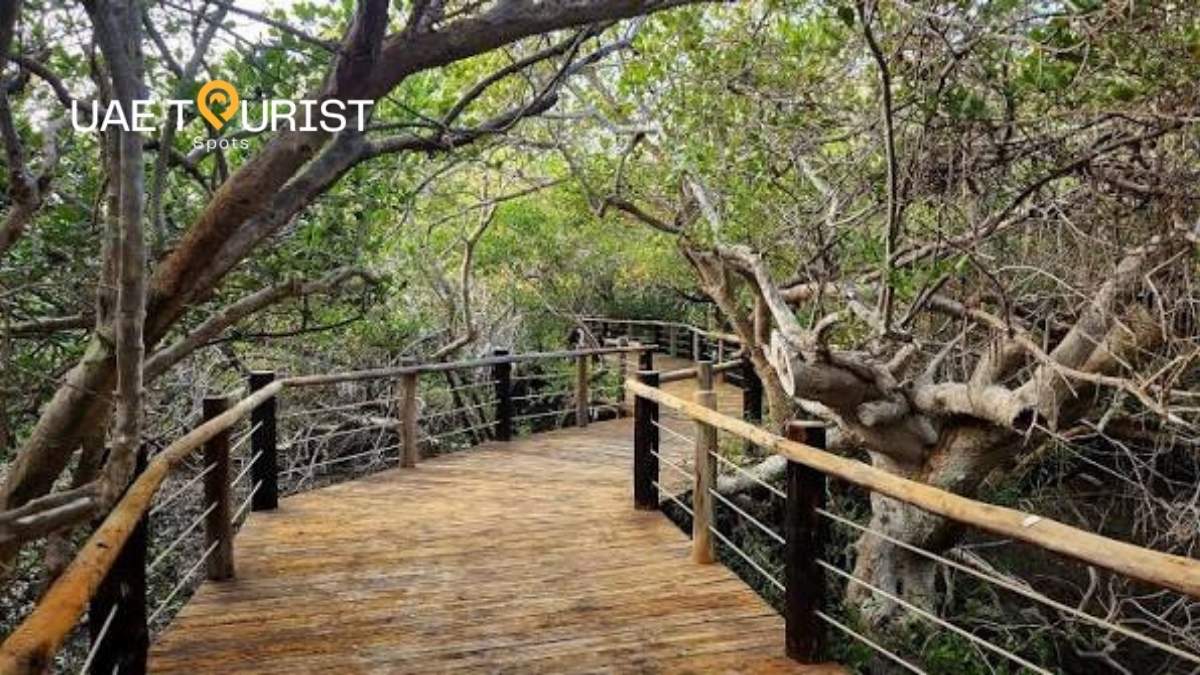
Kalba offers a quieter east-coast experience centred on mangroves, wildlife and coastal landscapes. The Khor Kalba Mangrove Centre provides an accessible introduction to the protected habitat through indoor exhibits and outdoor viewing areas.
The mangroves support fish, crabs, turtles and several bird species, including the Arabian collared kingfisher. Wildlife sightings cannot be guaranteed, so visit for the ecosystem and scenery rather than expecting a specific animal encounter.
The centre usually observes a weekly closing day and may adjust its hours seasonally. Check its official schedule before making the journey.
Kalba can be combined with selected Khorfakkan stops by car, but trying to cover every beach, trail, museum and nature centre in one day is unrealistic.
Additional Places Worth Considering
House of Wisdom
House of Wisdom is a modern library and cultural centre near Sharjah International Airport. Its architecture, reading spaces, exhibitions and landscaped grounds make it suitable for design enthusiasts, families and visitors seeking a quieter indoor stop.
Sharjah Mosque
Sharjah Mosque is a large modern mosque open to worshippers, with visitor access subject to designated areas and current policies. Non-Muslim visitors should confirm visiting arrangements and wear clothing that covers the shoulders and knees. Women may be required to cover their hair.
Wasit Wetland Centre
Wasit Wetland Centre is one of the most convenient nature attractions within Sharjah City. It is a useful option for birdwatching and environmental education when there is not enough time to travel to Kalba.
How Many Days Do You Need in Sharjah?
One Day
Keep the trip within Sharjah City:
- Visit the Sharjah Museum of Islamic Civilization.
- Walk through the Heart of Sharjah and Souq Al Arsah.
- Book an afternoon Rain Room session or visit Al Noor Island.
- Finish with dinner at Al Majaz Waterfront or Al Qasba.
Two Days
Use the first day for Sharjah City. On the second day, choose either Mleiha for desert archaeology or Khorfakkan for beaches and mountains.
Three Days
Spend one day in the city, one at Mleiha and one on the east coast. Choose Khorfakkan or Kalba according to whether you prefer hiking and beaches or wildlife and mangroves.
Getting Around Sharjah
Sharjah does not have a metro system. Taxis and public buses are the main transport options within the city, while walking works well inside individual areas such as the Heart of Sharjah, Al Majaz and Al Qasba.
Sharjah’s bus network uses the Sayer payment card. Visitors should check current routes and schedules through the Sharjah Roads and Transport Authority because services and departure points can change.
A rental car is the most practical option for Mleiha, Khorfakkan, Kalba and the Desert Park. Navigation apps are useful, but travellers should still download the route before entering areas with weaker mobile coverage.
If travelling from Dubai, allow extra time during weekday commuting periods. Journey times can vary considerably because of traffic between the two emirates.
Best Time to Visit Sharjah
November to March is generally the most comfortable period for outdoor attractions, heritage walks, hiking and east-coast trips. Daytime conditions are usually more manageable than in summer, although evenings can feel cool in desert and mountain areas.
October and April can also work well if outdoor activities are scheduled early in the morning or late in the afternoon.
From May to September, build the itinerary around museums, aquariums, galleries, libraries and evening waterfront visits. Avoid exposed hiking and desert activities during the hottest part of the day.
Rainfall is limited but can be intense when it occurs. Check forecasts before entering mountains, wadis or low-lying desert areas.
Practical Costs and Booking Advice
The local currency is the UAE dirham, written as AED. Many public waterfronts, beaches, souqs and heritage streets are free to enter, while museums, nature centres and organised activities charge admission.
Keep these points in mind:
- Book timed experiences such as Rain Room before weekends and holidays.
- Reserve Mleiha desert activities in advance.
- Check whether family or combined museum tickets are available.
- Confirm cancellation policies before paying for outdoor activities.
- Carry a payment card, but keep some cash for small shops and markets.
- Treat all quoted prices as subject to change unless confirmed during booking.
Dress Code and Local Etiquette
Modest clothing is appropriate in museums, markets and public spaces. Shoulders and knees should generally be covered, especially when visiting heritage or religious sites.
Mosques have stricter requirements. Follow staff instructions, remove shoes where requested and avoid entering prayer areas during services unless visitors are specifically permitted.
Sharjah is a dry emirate, meaning alcohol is not served, including in hotels. Public behaviour should remain respectful and family-appropriate.
Friday schedules often differ from other days. Ramadan and religious holidays can also affect museum hours, restaurant service and attraction programmes.
Frequently Asked Questions
Is Sharjah worth visiting for tourists?
Yes. Sharjah suits travellers interested in museums, Islamic culture, Emirati heritage, family attractions, archaeology and outdoor scenery. Its experience is different from destinations focused primarily on resorts, nightlife or large entertainment complexes.
What are the main places to visit in Sharjah for first-time visitors?
A practical first-time list includes the Heart of Sharjah, Sharjah Museum of Islamic Civilization, Al Noor Island, Rain Room and Al Majaz Waterfront. Add Mleiha or Khorfakkan if you have another full day.
Can I visit Sharjah as a day trip from Dubai?
Yes. Sharjah City can be reached from Dubai by taxi, car or intercity bus. Traffic can add considerable travel time during commuting periods, so leave early and focus on attractions within one part of the city.
Is Sharjah walkable?
Individual districts are walkable, particularly the Heart of Sharjah, Al Majaz Waterfront and Al Qasba. The city as a whole is spread out, so taxis, buses or a car are needed between major areas.
Which places in Sharjah are free to visit?
Free options include walking through the Heart of Sharjah, browsing the Central Souk, exploring Al Majaz Waterfront and Al Qasba, and visiting public sections of Khorfakkan Beach. Paid activities may operate within these destinations.
Which attractions are suitable for children?
Sharjah Aquarium, the Maritime Museum, Al Noor Island, Al Majaz Waterfront, Sharjah Desert Park and Wasit Wetland Centre are useful family choices. Age limits may apply to certain adventure and hiking activities.
Can tourists drink alcohol in Sharjah?
No. Sharjah is a dry emirate, and alcohol is not served in its restaurants or hotels. Visitors wanting licensed venues must travel to another emirate and follow the applicable local laws.
Do women need to cover their hair in Sharjah?
Women do not normally need to cover their hair in general public areas. A head covering may be required when entering a mosque, and modest clothing is expected at religious and cultural sites.
Is Mleiha part of Sharjah City?
Mleiha is in the central region of the Emirate of Sharjah, not within Sharjah City. It requires a separate road journey and is best planned as a half-day or full-day excursion.