Fujairah is the UAE’s east-coast emirate, known for its Gulf of Oman beaches, Hajar Mountain landscapes, historic forts, mosques and traditional villages. The best places to visit in Fujairah include Al Aqah Beach, Fujairah Fort, Al Bidya Mosque, Wadi Wurayah, Al Bithnah Fort and Masafi. Together, these attractions make Fujairah suitable for a day trip, weekend escape or longer coastal holiday. (Fujairah Tourism)
The visitor information below is based on official tourism listings and current 2026 access reports. Opening hours, weather closures, resort day passes and protected-area access can change, so confirm details before travelling.
Best Places to Visit in Fujairah at a Glance
| Place | Best for | Area |
| Al Aqah Beach | Swimming, snorkelling, diving and resorts | Al Aqah |
| Snoopy Island | Guided snorkelling and diving | Off Al Aqah |
| Fiquet Beach | Camping and dhow trips | Dibba |
| Umbrella Beach | Family activities and waterfront dining | Fujairah City |
| Fujairah Fort | History and city views | Fujairah City |
| Al Bithnah Fort | Mountain scenery and heritage | Al Bithnah |
| Al Hayl Fort & Village | Wadi landscapes and traditional architecture | Southwest Fujairah |
| Dibba Fort | Local history and rural scenery | Dibba |
| Al Bidya Mosque | Historic architecture | Al Bidyah |
| Wadi Wurayah | Nature, hiking and freshwater habitats | Hajar Mountains |
| Masafi | Mountain drives, farms and markets | Inland Fujairah |
Beaches and Coastal Places in Fujairah
Al Aqah Beach and Snoopy Island
Al Aqah Beach is a strong choice for visitors who want to combine the coast with water activities. The beach is surrounded by resorts, several of which offer private beach access, pools, dining and day-pass packages. The area is also used for snorkelling and diving because of its coral reefs and marine life. (Official Al Aqah Beach listing)
The shoreline is listed as open 24 hours, but resort facilities are not automatically open to every visitor. Confirm public beach access or arrange a resort day pass before planning to use pools, loungers or private facilities.
Snoopy Island lies off the Al Aqah coast and is associated with guided snorkelling and diving trips. Access is normally arranged through a resort, dive centre or water-sports operator. Beginners should choose a guided experience and check sea conditions before entering the water. (Snoopy Island dive information)
Fiquet Beach
Fiquet Beach, also known as Al Faqeet Beach, is in the Dibba area and is better suited to camping and boat excursions than ordinary swimming. The official tourism listing describes a dedicated campsite, food trucks and facilities for overnight stays beside the sea. (Fiquet Beach, Fujairah Tourism)
Swimming is not permitted directly at Fiquet Beach. Instead, visitors can join half-day or full-day dhow trips to sheltered coves for swimming and snorkelling. Some boat packages include equipment, meals and refreshments, but these inclusions and prices depend on the operator.
Umbrella Beach
Umbrella Beach offers a more developed waterfront experience in Fujairah City. It has restaurants, coffee shops, shops, food outlets, a children’s play area and padel tennis courts. It works well for families, casual evening visits, picnics and visitors who prefer a lively seafront setting rather than a remote beach. (Discover Fujairah)
Check the official venue website or social channels for current restaurant hours, events and activity availability.
Historic Forts and Heritage Sites
Fujairah Fort
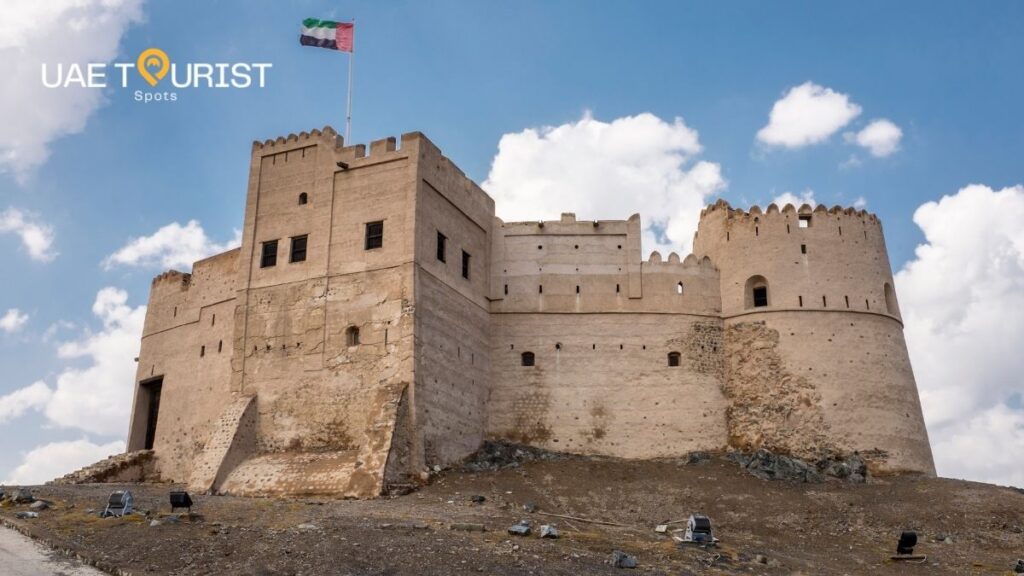
Fujairah Fort is one of the emirate’s central historical landmarks. The current Fujairah Tourism description dates it to the 16th century and places it on a raised hill in the old Fujairah area. Its elevated position provides views across the city, while its defensive design reflects the strategic importance of the area. (Fujairah Fort official listing)
The fort is a convenient stop for first-time visitors because it can be combined with Fujairah Museum and the Heritage Village. Visit earlier in the day during warmer months, as the outdoor areas offer limited shade.
Al Bithnah Fort
Al Bithnah Fort is approximately 13 kilometres from Fujairah City, between the Hajar Mountain ranges and Wadi Ham. The fort was built as a defensive stronghold and is surrounded by mountain and agricultural scenery. The official description dates its construction to the 17th century. (Al Bithnah Fort official listing)
It is a useful stop for travellers driving between the main UAE highways and Fujairah City. Allow time to observe the surrounding landscape rather than treating it only as a quick photo stop.
Al Hayl Fort and Village
Al Hayl Fort is located in Wadi Al Hayl, about 13 kilometres southwest of Fujairah City. The site includes a fortified courtyard house and a watchtower overlooking the historic village. The fort is believed to date from the 19th century and stands above the valley on a natural defensive position. (Al Hayl Fort and Village)
This is one of the better choices for combining heritage with mountain scenery. The surrounding area is less urban than Fujairah City, so carry water and follow local signs. Do not enter restricted buildings or climb fragile walls.
Dibba Fort
Dibba Fort is a restored two-storey fort in the Dibba area. It has defensive towers, a courtyard and traditional construction materials, including stone, mud and palm elements. Its setting is notable because the surrounding landscape includes farms, mountains and the nearby coast. (Dibba Fort official listing)
Dibba Fort pairs naturally with Fiquet Beach, Al Aqah and northern coastal boat trips. It is especially useful for visitors who want a cultural stop without returning to Fujairah City.
Al Bidya Mosque
Al Bidya Mosque, also written as Al Bidyah Mosque, is approximately 35 kilometres north of Fujairah City on the road towards Dibba. Recent research cited by Fujairah Tourism dates the mosque to around 1599. Its compact design includes four domes supported by a central column, with traditional ventilation openings and decorative details. (Al Bidya Mosque official listing)
Because it remains a religious site, visitors should dress modestly, keep noise low and follow any instructions about photography or entry. It is easy to combine with Al Aqah Beach or Dibba during a northern Fujairah itinerary.
Fujairah Museum and Heritage Village
Fujairah Museum provides context for the forts, villages and archaeological sites found across the emirate. Its archaeology halls contain objects such as stone and copper artefacts, pottery and vessels. The heritage halls cover traditional occupations, including farming, fishing, trade, weaving and pottery. (Fujairah Museum)
Nearby Heritage Village presents models of traditional homes, tools, household objects and watchtowers. It is a useful family-friendly stop and helps explain how people lived along the coast and in the mountains before modern development. (Heritage Village Museum)
Sheikh Zayed Mosque, Fujairah
The Sheikh Zayed Mosque in Fujairah is a large white granite and marble landmark in the city. It is mainly a religious and architectural site, so visitors should avoid disrupting worship and confirm visitor access before planning an interior visit. (Sheikh Zayed Mosque, Fujairah Tourism)
The mosque can be viewed as part of a city itinerary that also includes Fujairah Fort, the museum and Umbrella Beach.
Mountains and Nature
Wadi Wurayah National Park
Wadi Wurayah is one of Fujairah’s most important natural areas. The wadi contains springs, freshwater habitats, rocky valleys and mountain ecosystems within the Hajar range. Its ecological importance was recognised when Wadi Wurayah was inscribed on the UNESCO World Heritage List in 2026. UNESCO records 1,099 species in the property, including at least ten globally threatened species. (UNESCO World Heritage Centre)
Wadi Wurayah is a protected environment, so visitors should not treat it as an unrestricted picnic or off-road area. Leave no litter, avoid disturbing wildlife and follow all conservation instructions.
Access also requires special planning. Current 2026 reports state that public visits are controlled through organised group tours rather than casual walk-in entry. The reported public-tour price started from approximately AED 300 per person, but this is a starting rate and may change according to dates, availability and the package selected. (Khaleej Times visitor guidance)
The Fujairah Tourism listing shows 9:00 am to 6:00 pm, but these times should not be treated as guaranteed independent access. Confirm the tour date, meeting point, route, inclusions and weather policy before driving to the reserve.
Masafi
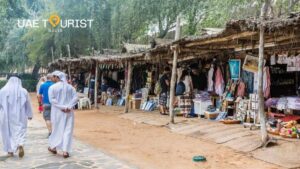
Masafi is an inland mountain town known for its springs, farms, local produce and market setting between the Hajar Mountains. Visitors can stop for fresh fruit and vegetables, handicrafts, household items and regional products. The area also contains archaeological sites and traditional places such as Sheikh Mohammed’s House. (Masafi official tourism listing)
Masafi is most useful as part of a scenic road trip rather than a single landmark visit. It can be combined with Al Bithnah Fort or other mountain villages, depending on road conditions and available daylight.
Mountain Drives and Hiking
Fujairah’s mountain scenery is accessible through wadis, villages and organised outdoor activities. Visitors who want to hike should check the current Fujairah Adventures announcements because hiking seasons, approved trails and guide requirements may vary. (Fujairah Adventures)
For any mountain outing:
- Carry more water than you expect to need.
- Wear shoes with proper grip.
- Avoid entering wadis during rain or when heavy rain is forecast.
- Do not drive onto unknown tracks without a suitable vehicle.
- Share your route and expected return time.
- Follow closures, trail registrations and guide instructions.
A Practical Fujairah Itinerary
If you have one day
Choose one geographic cluster instead of trying to cover the entire emirate.
Northern coast route:
- Al Bidya Mosque
- Al Aqah Beach
- Snoopy Island water activity or resort day pass
- Fiquet Beach or Dibba Fort
City and heritage route:
- Fujairah Fort
- Fujairah Museum
- Heritage Village
- Sheikh Zayed Mosque
- Umbrella Beach in the evening
If you have two days
Spend the first day around Fujairah City and the northern coast. Use the second day for Al Bithnah, Al Hayl, Masafi or a pre-booked Wadi Wurayah visit.
Wadi Wurayah should be planned around confirmed availability rather than added as an unplanned final stop.
Opening Hours, Tickets and Current Access
The following times are the current hours shown on Fujairah Tourism listings checked in September 2026.
| Attraction | Listed hours | Ticket or booking note |
| Al Aqah Beach | 24 hours | Resort beaches and facilities may require a day pass |
| Fiquet Beach | 24 hours | Swimming is not permitted at the beach |
| Fujairah Fort | 8:00 am–6:00 pm | No standard fee was shown on the checked listing |
| Al Bidya Mosque | 8:00 am–6:00 pm | Follow religious-site instructions |
| Al Bithnah Fort | 8:00 am–6:00 pm | Confirm access before travelling |
| Al Hayl Fort | 8:00 am–6:00 pm | Confirm access before travelling |
| Dibba Fort | 9:00 am–6:00 pm | Confirm access before travelling |
| Fujairah Museum | 8:00 am–6:00 pm | Check current admission information |
| Heritage Village | 8:00 am–6:00 pm | Check current admission information |
| Sheikh Zayed Mosque | 9:00 am–6:00 pm | Visitor access may differ from prayer activity |
| Wadi Wurayah | Listed as 9:00 am–6:00 pm | Public access is controlled and seasonal |
Prices are in UAE dirhams, or AED. The official heritage listings checked do not show one consistent public ticket price, so these sites should not automatically be described as free. Private beach passes, diving, snorkelling, dhow trips and guided Wadi Wurayah tours have separate prices.
How to Reach Fujairah
Driving is the simplest option for a sightseeing itinerary because the beaches, forts, villages and mountain areas are spread across the emirate.
The official tourism page states that buses operate between Dubai and Fujairah, with the journey taking about two hours from Union Square in Dubai. It also lists bus route 294 from Dubai Global Village, operating five times daily. Taxis and shared taxis can also be hired from Dubai or Sharjah. Routes and schedules can change, so check the current transport information before departure. (How to reach Fujairah)
For mountain villages and protected areas, arrange transport in advance. Public transport may take you to Fujairah City or major towns but is less convenient for connecting several remote attractions.
Best Time to Visit Fujairah
October to April is generally the most comfortable period for combining beaches, forts and mountain walks. The weather is more suitable for outdoor sightseeing, while the sea remains useful for water activities.
Summer can still work for resort stays, early beach visits and indoor museums, but midday mountain walks may be uncomfortable. Wadi Wurayah access is also controlled by season, weather and organised-tour availability.
Always check the weather before entering a wadi or mountain area. Rain can quickly change road and trail conditions.
Where to Stay in Fujairah
Fujairah City
Choose Fujairah City if your priority is history, museums, mosques, markets and easy access to urban services.
Al Aqah
Al Aqah is suitable for visitors who want resort beaches, snorkelling, diving, pools and coastal relaxation. Confirm whether a beach or facility is public, hotel-only or available through a paid day pass.
Dibba
Dibba works well for northern beaches, Fiquet Beach, dhow trips, Al Bidya Mosque and Dibba Fort.
Inland Fujairah and Masafi
Stay inland if your main interest is mountain scenery, village drives and a quieter route through the Hajar foothills. (Fujairah Tourism hotels page)
Practical Visitor Tips
- Use a live navigation app because several attractions have similar names and are separated by long distances.
- Carry water, sunscreen, a hat and comfortable walking shoes.
- Dress modestly when visiting mosques and heritage areas.
- Do not climb fragile fort walls or enter closed buildings.
- Keep farm entrances and residential roads clear.
- Book diving, snorkelling, dhow trips and resort day passes before travelling.
- Check Wadi Wurayah access through the current booking channel.
- Avoid leaving rubbish, graffiti or plastic in wadis and coastal areas.
- Take extra care on mountain roads and unpaved tracks.
- Confirm attraction hours on public holidays and during Ramadan.
Frequently Asked Questions
What are the best places to visit in Fujairah for first-time visitors?
Start with Al Aqah Beach, Fujairah Fort, Al Bidya Mosque, Wadi Wurayah and either Al Bithnah Fort or Masafi. These places cover the emirate’s main coastal, historical and mountain experiences.
Can Fujairah be visited in one day?
Yes, but choose one route. A city-and-heritage itinerary or a northern coast itinerary is more realistic than visiting every beach, fort and mountain area in one day.
Is Al Aqah Beach open to everyone?
The official tourism listing shows Al Aqah Beach as open 24 hours. However, resort beaches, pools, loungers and dining facilities may be private or available only through a day pass.
Can visitors swim at Fiquet Beach?
No. The official Fujairah Tourism listing states that swimming is not permitted at Fiquet Beach. Visitors can use it as a camping location or starting point for organised dhow trips.
Is Wadi Wurayah open to tourists?
Controlled public visits have been available in 2026, but access is organised and seasonal. Visitors should book a confirmed group tour rather than arriving expecting unrestricted entry.
How much does Wadi Wurayah cost?
A 2026 access report listed guided visits from approximately AED 300 per person. This is a starting price, not a guaranteed fixed rate. Confirm the current price and inclusions before booking.
Do I need a car in Fujairah?
A car is strongly useful for visiting several places because Fujairah’s beaches, forts, villages and mountain areas are spread out. Buses are available from Dubai, but remote attractions require additional transport planning.
What should I wear when visiting Fujairah mosques?
Wear modest clothing and follow the instructions displayed at the mosque. Avoid visiting during prayer activity unless visitor access is clearly permitted.
Is Fujairah suitable for families?
Yes. Umbrella Beach, resort beaches, museums, Heritage Village and selected forts can suit families. Mountain hikes and protected wadis require more careful planning and may not be suitable for young children.