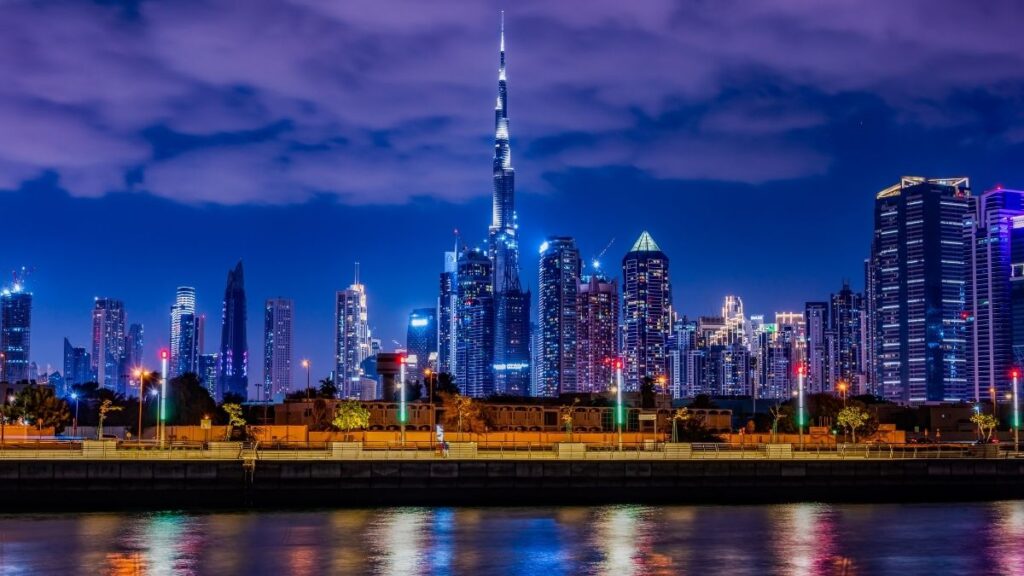
Dubai is often introduced through its record-breaking towers, luxury hotels, and enormous shopping centres. However, the city becomes far more interesting when you look beyond the famous skyline. Historic neighbourhoods, public beaches, mountain escapes, traditional markets, cultural centres, and desert landscapes give visitors many different ways to experience the emirate.
The best places to visit in Dubai depend on the kind of holiday you want. First-time travellers may focus on Burj Khalifa, Palm Jumeirah, and Dubai Marina. Families may prefer waterparks, aquariums, and seasonal attractions, while travellers interested in local history should make time for Dubai Creek, Al Fahidi, and Jumeirah Mosque.
This 2026 guide brings together Dubai’s essential landmarks, cultural experiences, outdoor activities, family attractions, practical transport advice, current admission information, and local planning tips. Opening hours and ticket prices can change during holidays, special events, or seasonal closures, so confirm final details through the attraction’s official website before travelling.
Table of Contents
- Burj Khalifa and Downtown Dubai
- Museum of the Future
- Al Fahidi Historical Neighbourhood
- Dubai Creek, Gold Souk, and Spice Souk
- Dubai Frame
- Palm Jumeirah and The View
- Aquaventure World
- Dubai Marina, JBR, and Bluewaters Island
- Jumeirah Mosque
- Dubai Desert Safari
- Dubai Miracle Garden
- Global Village Dubai
- Dubai Aquarium and Underwater Zoo
- Kite Beach
- Hatta
- Best Time to Visit Dubai
- Essential Dubai Travel Tips
- Frequently Asked Questions
15 Best Places to Visit in Dubai
1. Burj Khalifa and Downtown Dubai
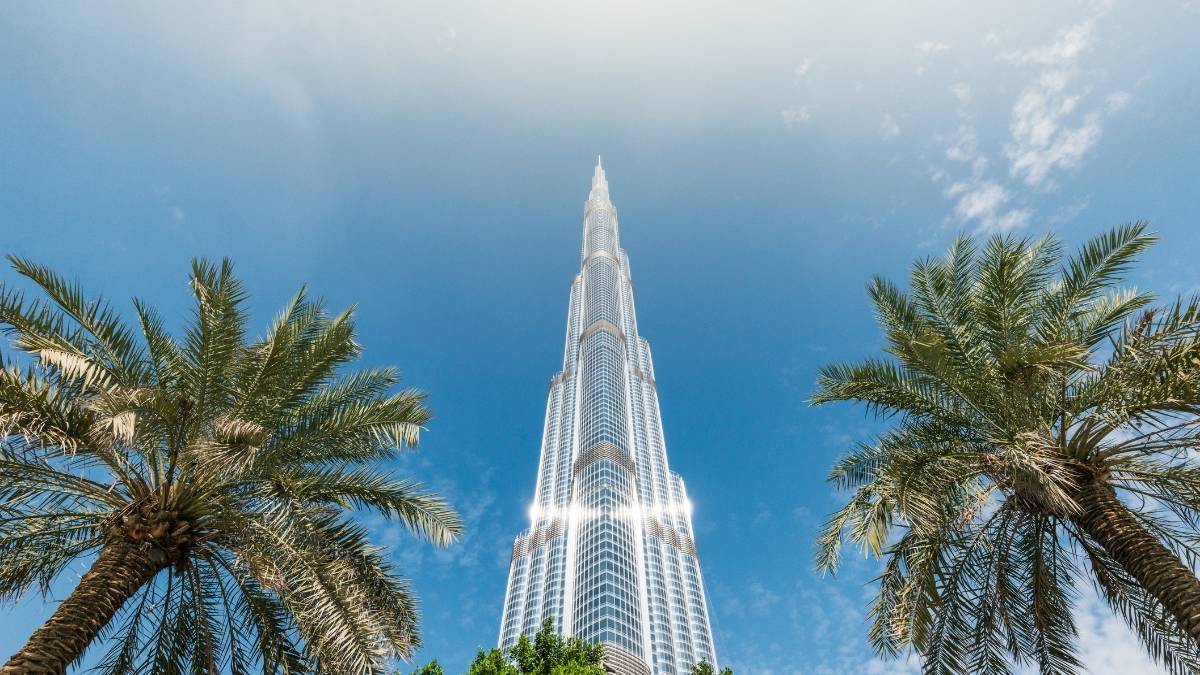
Burj Khalifa remains the natural starting point for most first-time visitors. Its observation decks provide wide views across Downtown Dubai, Sheikh Zayed Road, the desert, and the coastline. The standard At the Top experience includes Levels 124 and 125, while premium tickets provide access to Level 148.
The surrounding Downtown district makes it easy to combine several activities in one trip. Dubai Mall, Burj Park, Dubai Opera, Souk Al Bahar, restaurants, and the Burj Lake promenade are all within walking distance.
Tickets, opening hours, and transport
Standard admission to Levels 124 and 125 was listed at AED 189 in August 2026. The premium Levels 124, 125, and 148 experience was listed at AED 399. Standard operating hours were 10:00 AM to 8:00 PM, with the last standard admission at 7:00 PM. Prices may increase for sunset and high-demand periods.
Take the Dubai Metro Red Line to Burj Khalifa/Dubai Mall Station. The covered walkway to Dubai Mall is long, so allow approximately 15 to 20 minutes after leaving the train.
Local tip: Book a slot 45 to 60 minutes before sunset. You can see Dubai in daylight, watch the sky change colour, and remain for the city lights.
2. Museum of the Future
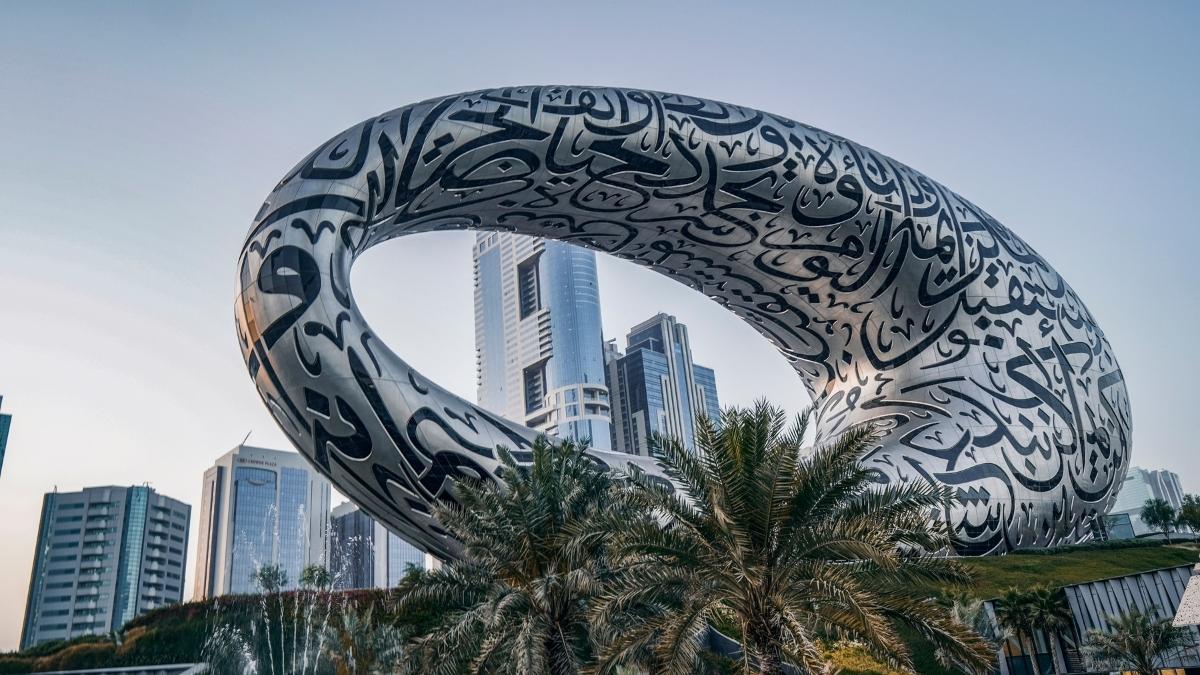
The Museum of the Future is one of Dubai’s most recognisable modern buildings, but the experience is not limited to its calligraphy-covered exterior. Its exhibitions explore future cities, health, space, technology, ecology, and human development through interactive displays and immersive environments.
It is best suited to visitors who enjoy science, design, architecture, and imaginative storytelling. Families can visit, although older children and teenagers may appreciate the ideas more than very young children.
Visitor information
The museum is open daily from 10:00 AM to 7:00 PM, with the last admission at 5:00 PM. General admission was listed at AED 169 in August 2026. Tickets are date- and time-specific, and the complete experience generally takes two to three hours. Children under four and eligible People of Determination receive free entry, although a ticket is still required.
The nearest Metro station is Emirates Towers on the Red Line. A direct pedestrian bridge connects the station area with the museum.
Local tip: Book well in advance. Popular afternoon and weekend sessions frequently become unavailable before the visit date.
3. Al Fahidi Historical Neighbourhood
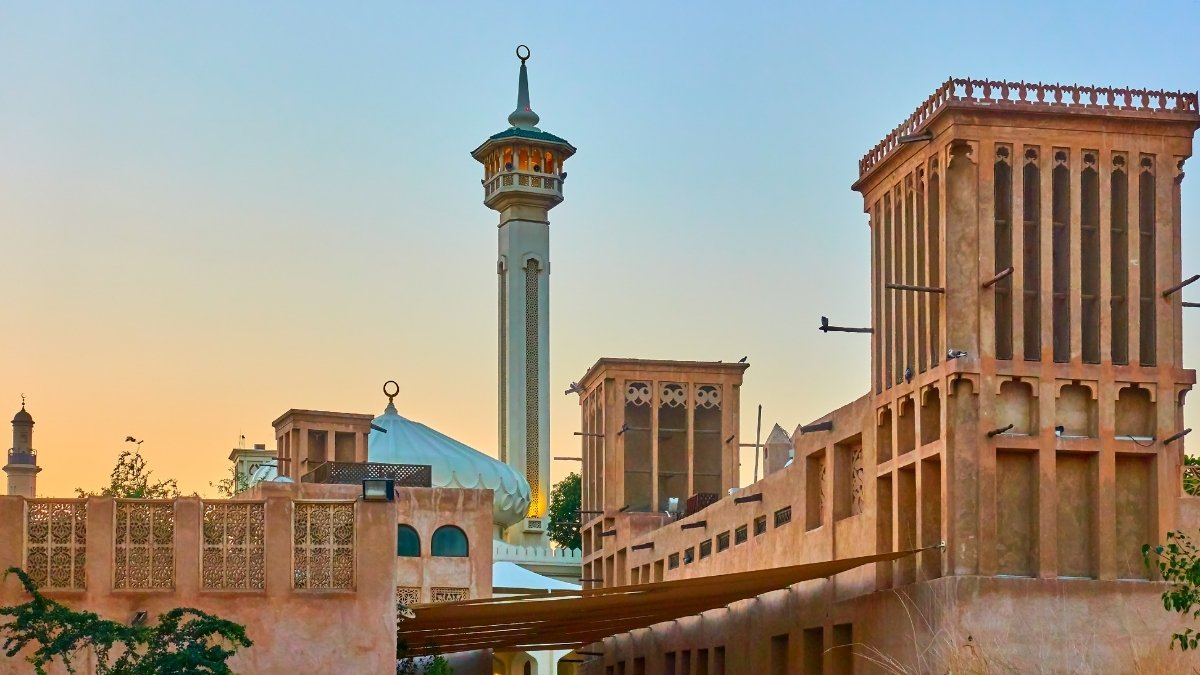
Al Fahidi Historical Neighbourhood offers a quieter and more traditional side of Dubai. Its narrow lanes, shaded courtyards, wind towers, restored houses, galleries, museums, and cultural spaces show how the city looked before the era of skyscrapers.
Walking through Al Fahidi is free, although individual museums and exhibitions may charge admission. The neighbourhood is especially enjoyable during the morning, when the lanes are cooler and less crowded.
Visit the Sheikh Mohammed Centre for Cultural Understanding, explore small art galleries, stop for Arabic coffee, and walk toward Dubai Creek. The district is one of the most valuable places for understanding Dubai’s architecture, trading history, and multicultural identity.
The closest Metro stations are Sharaf DG and Al Ghubaiba on the Green Line.
Local tip: Wear comfortable shoes. The area is best explored slowly rather than treated as a quick photo stop.
4. Dubai Creek, Gold Souk, and Spice Souk
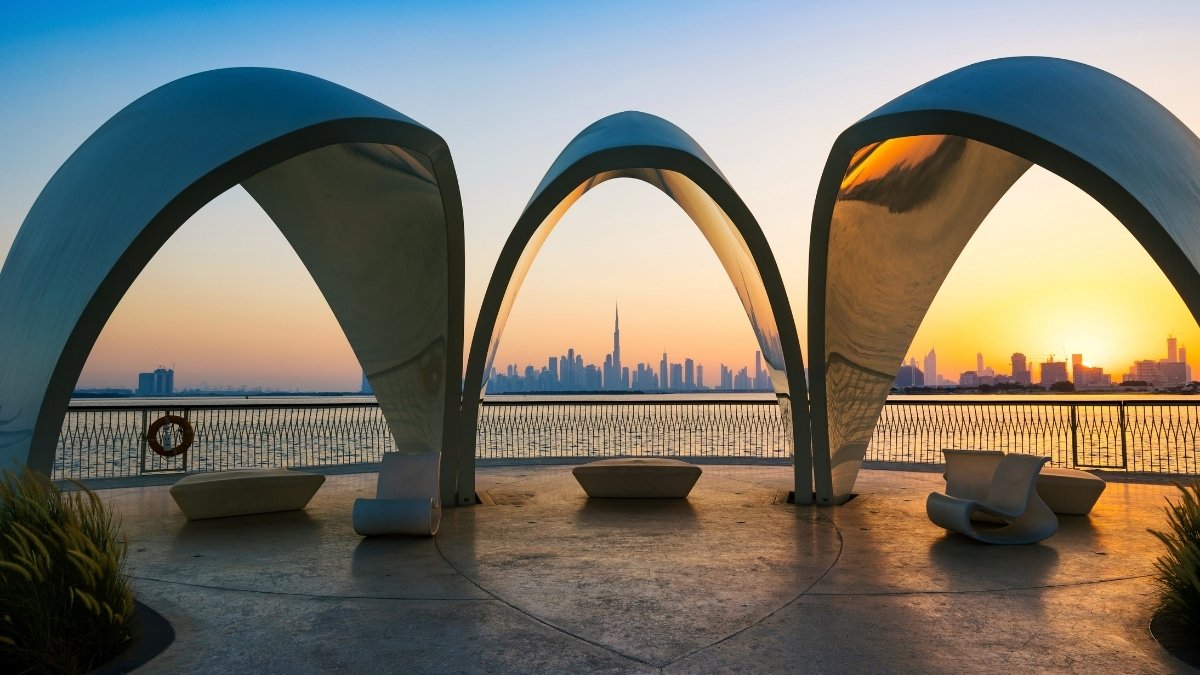
Dubai Creek played a central role in the city’s development as a trading port. Today, the most memorable way to cross it is still aboard a traditional wooden abra.
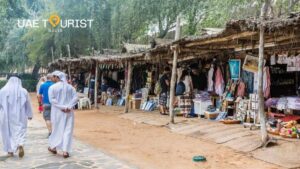
Start in Bur Dubai, take an abra across the water, and walk into Deira’s market district. The Spice Souk is filled with saffron, dried fruits, herbs, teas, perfumes, and colourful sacks of spices. Nearby, the Gold Souk contains rows of jewellery shops displaying both traditional and contemporary designs.
A traditional creek crossing can cost as little as AED 1, making it one of Dubai’s most affordable and memorable experiences. Entry to the public souks is free, although purchases and private boat trips cost extra.
The Green Line is useful for exploring this part of the city. Al Ras, Gold Souq, Al Ghubaiba, and Sharaf DG stations serve different areas around the creek.
Local tip: Bargaining is normal in many souk shops. Compare prices first and agree on the full amount before paying.
5. Dubai Frame
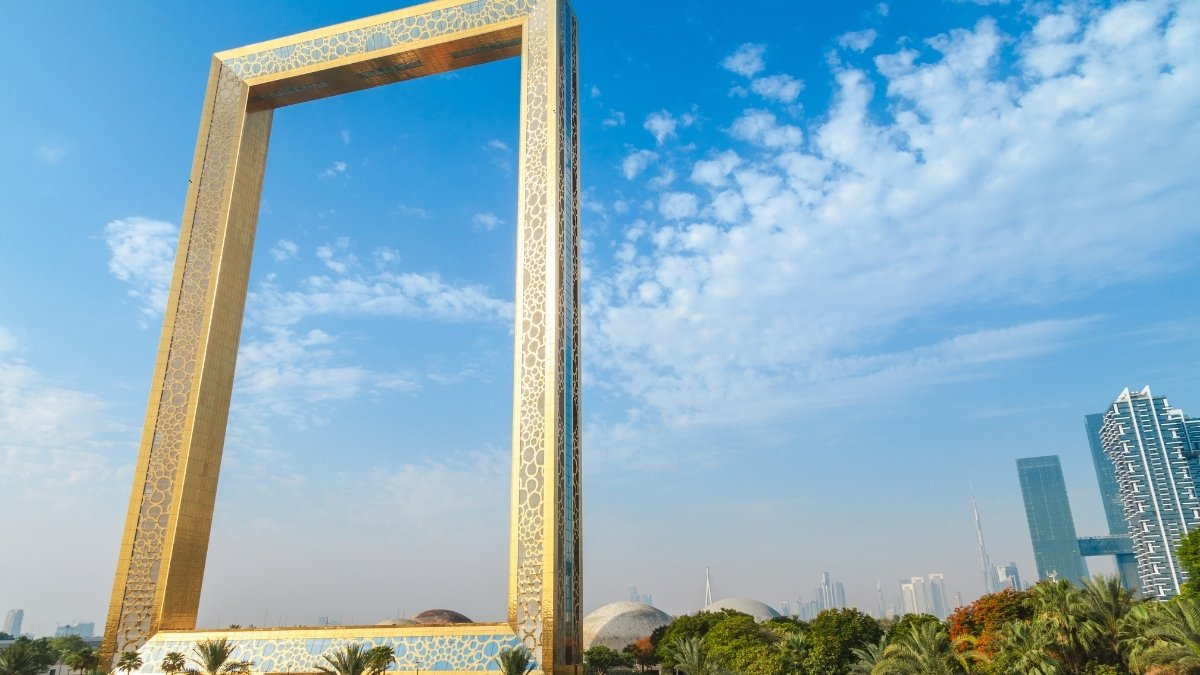
Dubai Frame stands between the older and newer parts of the city, creating a visual connection between both. Visitors begin with an exhibition about Dubai’s past, travel to the sky deck for views, and finish with a presentation imagining the city’s future.
From the upper walkway, one side looks toward historic Dubai, while the other faces the modern skyline. A glass section in the floor adds a small thrill without turning the attraction into a demanding adventure.
Entry details
Dubai Frame is open seven days a week from 8:00 AM to 9:00 PM. Admission costs AED 50 for adults and AED 20 for children aged three to 12. Children under three and eligible People of Determination with two companions enter free.
Dubai Frame is located inside Zabeel Park. The nearest Metro station is Max Fashion on the Red Line, although a taxi from the station may be more comfortable during hot weather.
Local tip: Late afternoon provides softer light and better skyline photography than the middle of the day.
6. Palm Jumeirah and The View at The Palm
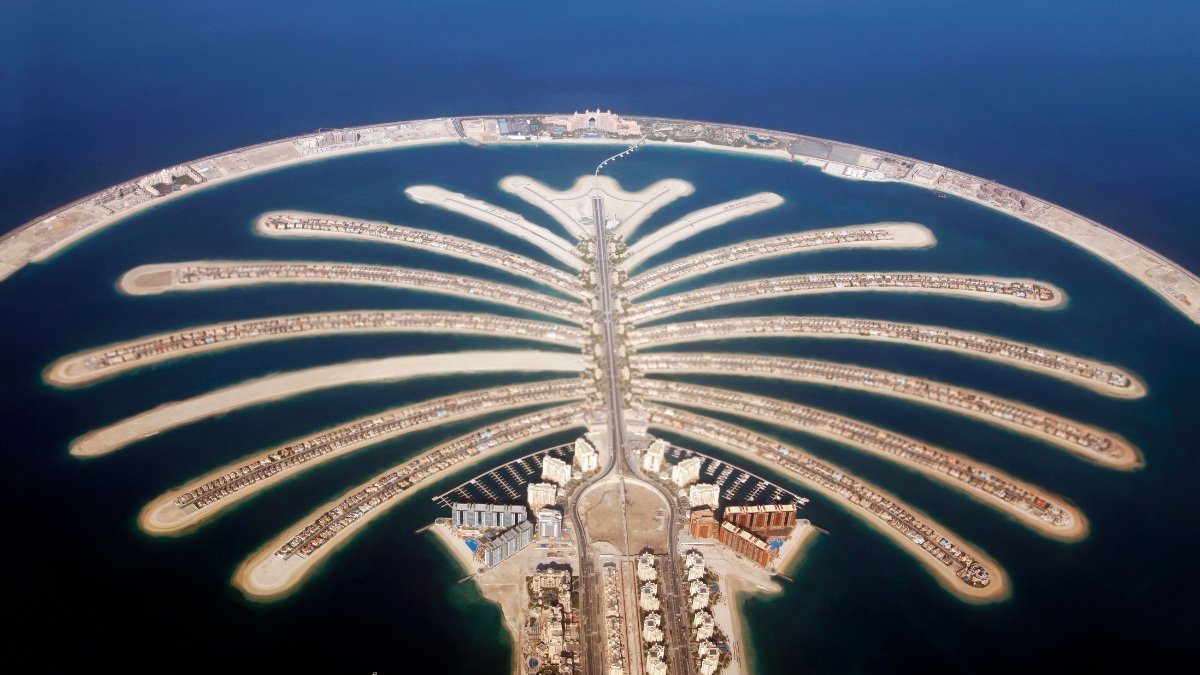
Palm Jumeirah is easier to understand from above than from street level. The View at The Palm provides a 360-degree perspective of the island’s trunk, fronds, crescent, coastline, and surrounding skyline.
The main observation deck is located on Level 52 of The Palm Tower, approximately 240 metres above sea level. An upgraded experience provides access to a higher viewing level.
General admission starts from approximately AED 110, and the attraction is normally open daily from 10:00 AM to 7:00 PM. Different packages, resident offers, and premium experiences have separate prices.
Take the Dubai Tram to Palm Jumeirah Station, walk to the Palm Gateway, and continue by Palm Monorail. The monorail resumed operation in July 2026 following a maintenance closure.
Local tip: Visit The View before exploring the Palm. Seeing the island from above makes its scale and layout much easier to understand.
7. Aquaventure World
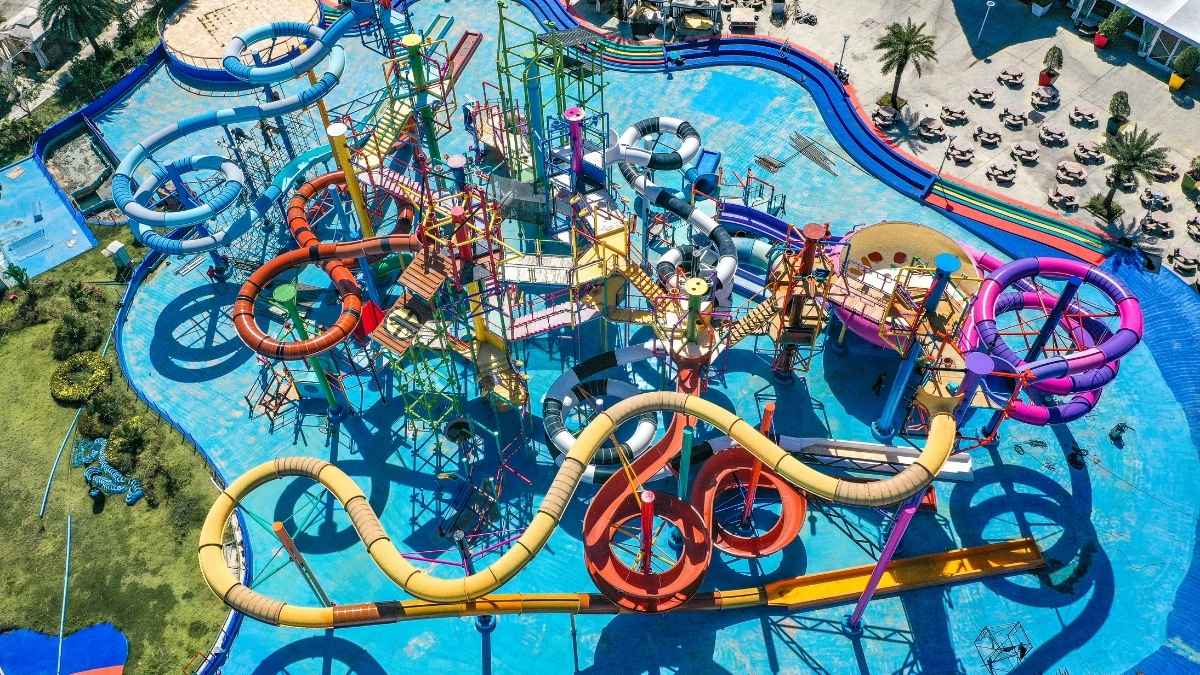
Aquaventure World at Atlantis is one of the leading family attractions in Dubai. It combines high-speed slides, children’s splash areas, beaches, pools, river rides, and marine experiences.
A full day is recommended because the site is large and queues can develop during weekends and school holidays. Arriving at opening time gives you a better chance of completing the major rides before the afternoon crowds.
The waterpark operates from 10:00 AM to 6:00 PM from Monday to Thursday and from 10:00 AM to 8:00 PM from Friday to Sunday. Admission prices vary according to the date, visitor age, package, and online offers.
Aquaventure is located at Atlantis, The Palm. The Palm Monorail stops near the resort, while taxis provide the most direct option.
Local tip: Bring water shoes. Outdoor surfaces can become extremely hot, particularly between May and September.
8. Dubai Marina, JBR, and Bluewaters Island
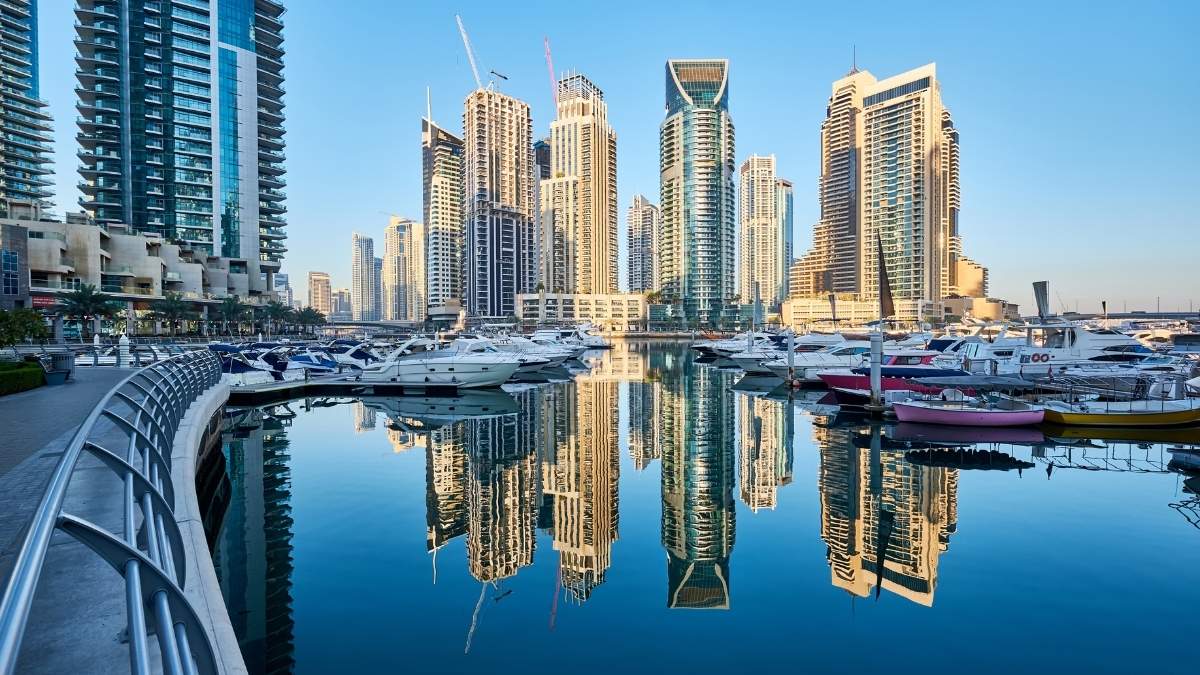
Dubai Marina is one of the best places in Dubai for an evening walk. The waterfront is surrounded by towers, restaurants, cafés, yachts, and residential buildings. From the marina, visitors can continue toward The Walk at JBR, the beach, and Bluewaters Island.
JBR provides public beach access, watersports, shops, casual dining, and family entertainment. A pedestrian bridge links the area with Bluewaters Island, where restaurants, hotels, and Ain Dubai dominate the waterfront setting.
Walking around these districts is free. Boat trips, yacht cruises, beach clubs, and attractions have separate charges.
Use DMCC or Sobha Realty Metro Station, then connect with Dubai Tram depending on your destination.
Local tip: Begin at Dubai Marina before sunset, walk through JBR, and reach Bluewaters after dark when the skyline is illuminated.
9. Jumeirah Mosque
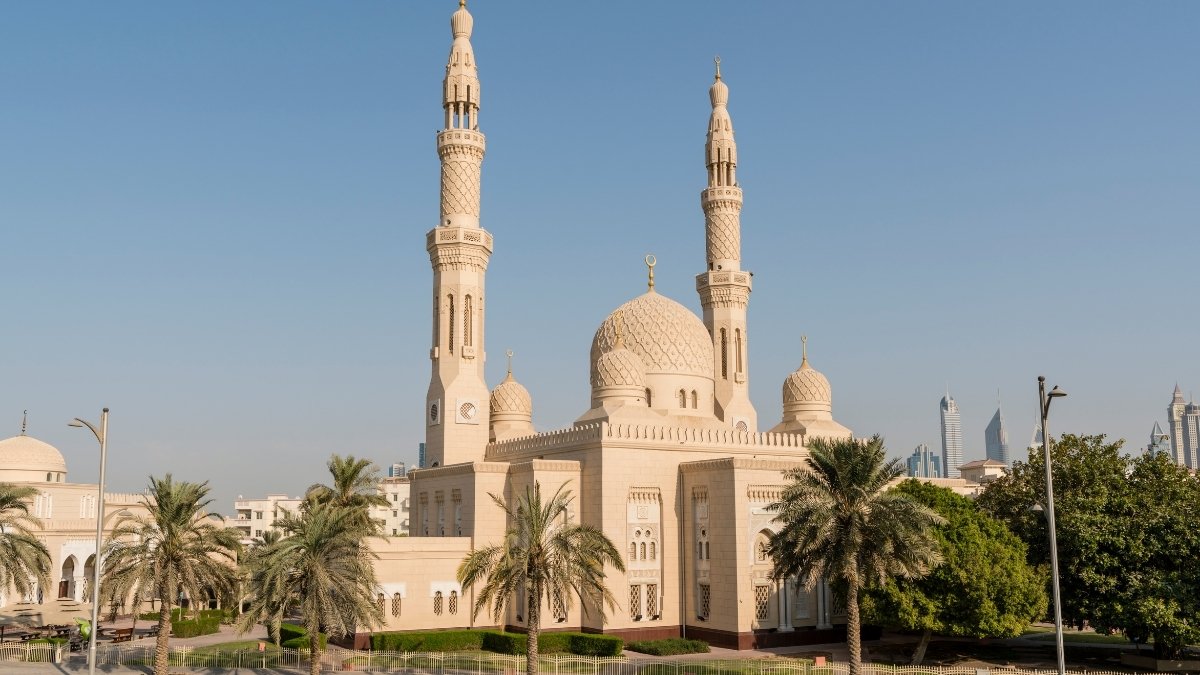
Jumeirah Mosque is one of the best cultural places to visit in Dubai for travellers who want to learn about Islam and Emirati traditions in a welcoming environment.
Guided public visits explain the mosque’s architecture, prayer practices, customs, and religious principles. Visitors are encouraged to ask questions, making the experience informative rather than formal or intimidating.
Public sessions take place at 10:00 AM and 2:00 PM from Saturday to Thursday. The mosque is closed to public tours on Friday. Admission costs AED 45 per person and includes light Emirati refreshments and related cultural activities. Registration opens 30 minutes before each session, and advance booking is not normally required.
The mosque is not directly served by the Metro. A taxi from Downtown Dubai or a nearby Red Line station is generally easiest.
Local tip: Dress modestly. Women may be asked to cover their hair, and suitable clothing can usually be provided when needed.
10. Dubai Desert Safari
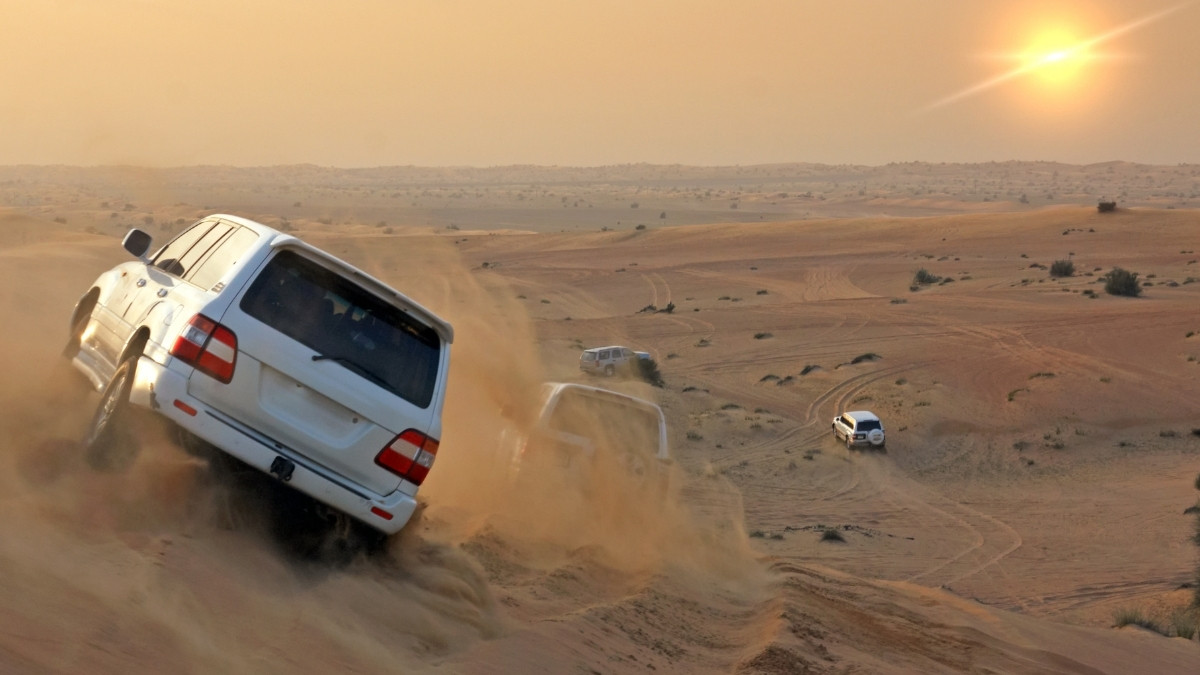
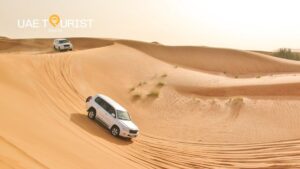
The desert is not merely a background to Dubai. It is one of the emirate’s most important natural environments and provides a complete contrast to the city centre.
A standard evening desert safari usually includes hotel pickup, dune driving, a sunset stop, camel rides, dinner, and live entertainment. Private wildlife drives, conservation experiences, overnight camps, and sunrise tours are also available.
Visit Dubai lists some six-hour evening experiences from approximately AED 130 per adult, although actual prices vary widely by operator, vehicle type, camp quality, activities, and whether the tour is shared or private.
Local tip: Do not choose only by price. Check recent reviews, safety standards, vehicle condition, pickup arrangements, camp size, and exactly which activities are included.
People with back problems, certain medical conditions, or motion sensitivity should ask whether dune driving can be skipped.
11. Dubai Miracle Garden
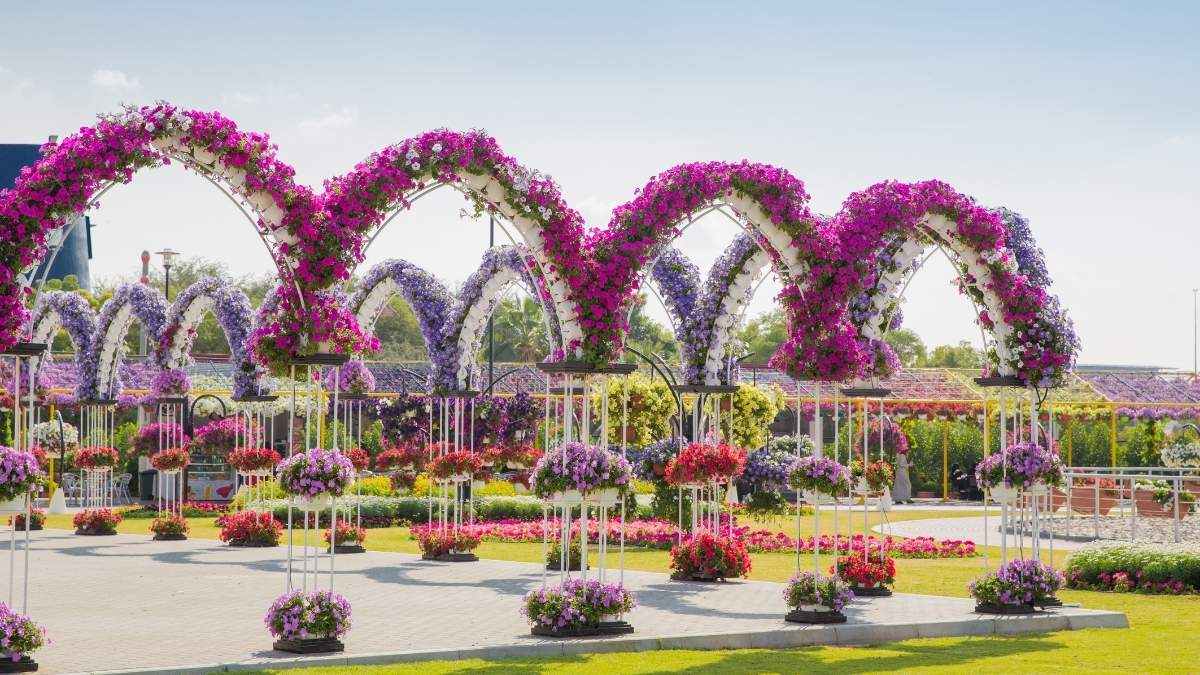
Dubai Miracle Garden turns large floral displays into castles, tunnels, characters, houses, and themed installations. Its flower-covered Emirates A380 is one of the garden’s most photographed features and reportedly uses more than 500,000 living plants and flowers.
The attraction is seasonal and normally operates from around October until April or May. It closes during the hottest summer months for maintenance and replanting. Typical operating hours are 9:00 AM to 9:00 PM, but the exact 2026 reopening date and seasonal ticket prices should be confirmed before visiting.
Dubai Miracle Garden is located in Al Barsha South. Visitors can take the Metro to Mall of the Emirates and continue by taxi or seasonal bus service where available.
Local tip: Visit on a weekday shortly after opening for cooler conditions and fewer people in the main photography areas.
12. Global Village Dubai
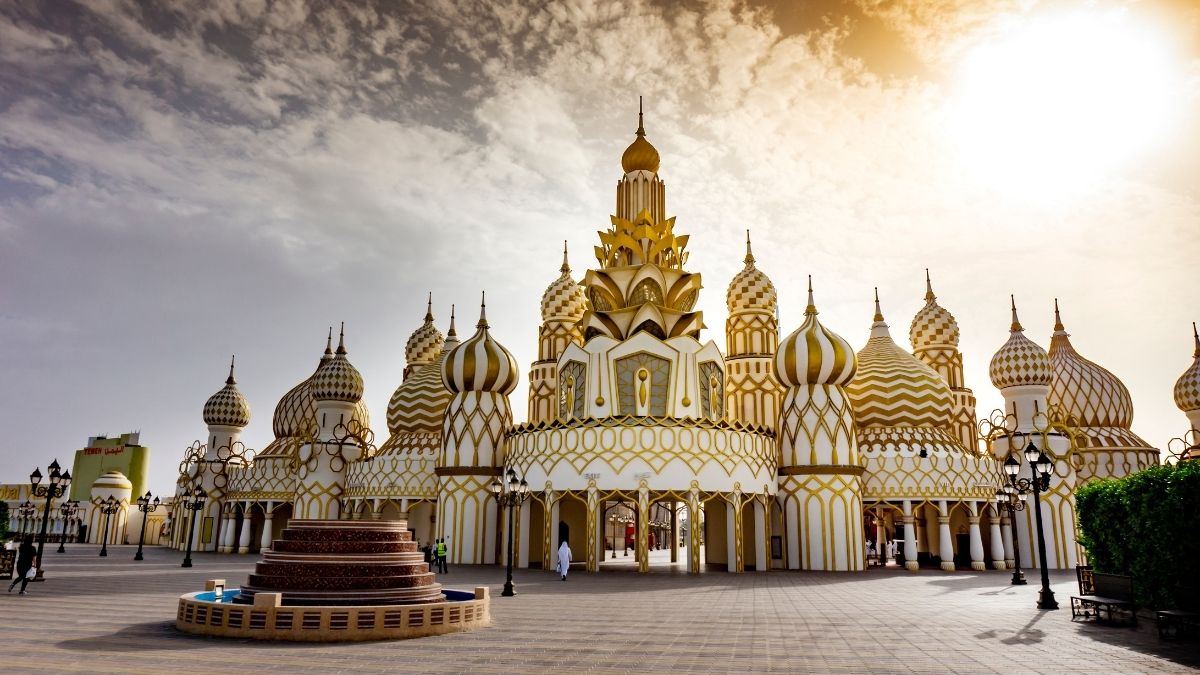
Global Village combines international pavilions, street food, cultural performances, shopping, rides, carnival games, and evening entertainment in one large seasonal destination.
It is particularly popular with families and groups because visitors can sample food and products from many countries without paying premium theme-park prices. However, rides, games, special experiences, and food are charged separately from admission.
Global Village confirmed that Season 31 will operate from October 2026 to May 2027. As of August 2026, tickets for the new season had not yet been released. For comparison, the previous season’s general Any Day ticket cost AED 30, but 2026–2027 pricing may be different.
The destination is not connected directly to the Metro. Seasonal RTA buses, taxis, and private cars are the main transport options.
Local tip: Arrive in the late afternoon. You can explore before dark, eat dinner from different pavilions, and stay for the evening shows.
13. Dubai Aquarium and Underwater Zoo
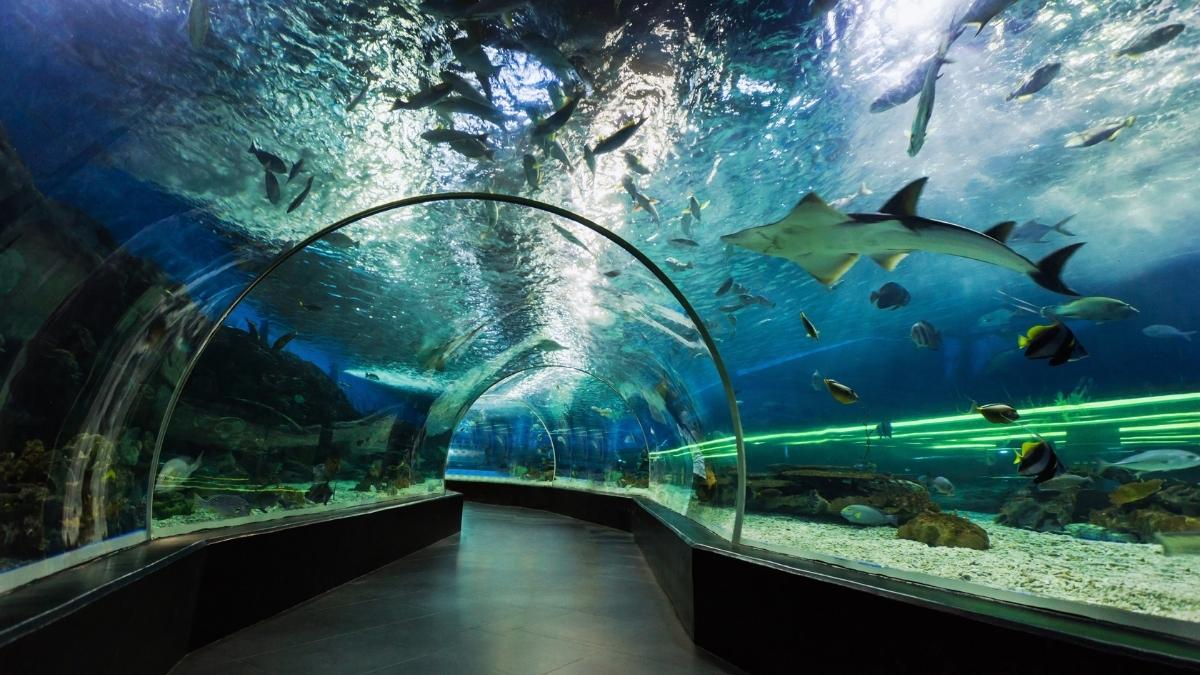
Located inside Dubai Mall, Dubai Aquarium and Underwater Zoo is a convenient choice for families, summer visitors, and travellers already spending time in Downtown Dubai.
The experience includes a 48-metre aquarium tunnel and separate habitats covering rainforest, rocky shore, and ocean environments. The aquarium tunnel usually takes 15 to 30 minutes, while the Underwater Zoo may require another 45 to 90 minutes.
Typical operating hours are 10:00 AM to 11:00 PM on weekdays, with later closing on weekends. Ticket prices vary by package, animal encounter, boat ride, and combination offer. Because the free exterior aquarium window can already be seen from Dubai Mall, paid admission is most worthwhile for families or visitors interested in the complete tunnel and zoo experience.
Local tip: Compare combination tickets. A Burj Khalifa and aquarium package may cost less than purchasing both experiences separately.
14. Kite Beach
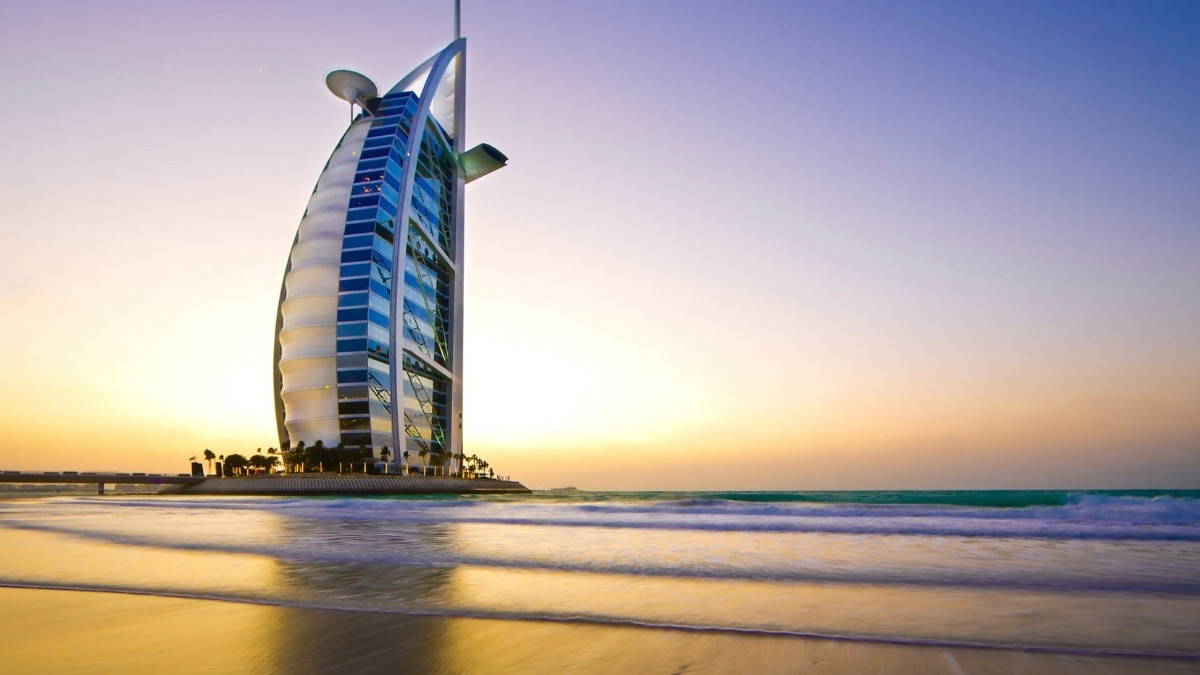
Kite Beach is one of Dubai’s most accessible public beaches. It attracts swimmers, runners, families, paddleboarders, kitesurfers, and visitors looking for a relaxed view of the Burj Al Arab coastline.
The beach has a running track, food outlets, sports facilities, showers, changing areas, and equipment rentals. General beach access is free, although watersports, parking, food, and private facilities cost extra.
Kite Beach is open around the clock, with lifeguard coverage and designated sections that may permit night swimming. Bus route 81 serves nearby stops, but a taxi is usually more convenient when carrying beach equipment.
Local tip: Visit before 10:00 AM or during the final two hours before sunset. Midday sand and outdoor surfaces can become uncomfortable during warmer months.
15. Hatta
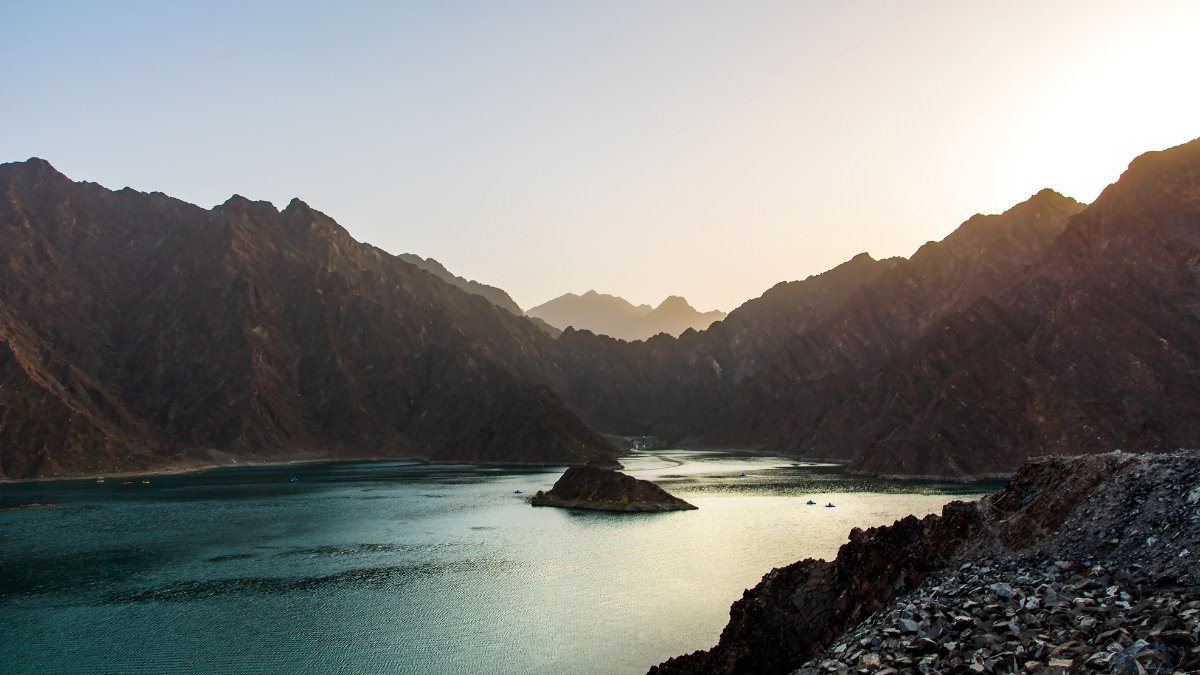
Hatta offers mountain scenery, outdoor activities, and a slower atmosphere just over an hour from central Dubai. Surrounded by the Hajar Mountains, it is a strong day-trip option for travellers who want to see more than the city and desert.
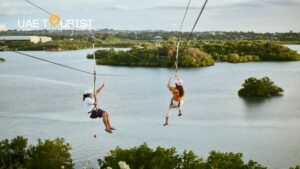
Popular activities include kayaking at Hatta Dam, mountain biking, hiking, archery, rope courses, horseback riding, camping, and glamping. Visitors can also explore heritage sites and learn about local honey production.
There is no general admission fee for visiting Hatta, but kayaking, adventure activities, accommodation, and organised tours are priced separately. Some activities are seasonal or weather-dependent.
Driving is the easiest way to reach Hatta. Travellers without a vehicle can use a private tour, taxi arrangement, or available intercity transport.
Local tip: Winter weekends can become busy. Leave Dubai early and reserve paid activities before travelling.
Best Time to Visit Dubai
The best time to visit Dubai is generally between November and March, when the weather is more comfortable for beaches, neighbourhood walks, desert trips, outdoor dining, and seasonal attractions.
November has an average temperature of around 27°C, while March temperatures commonly range from approximately 21°C to 28°C. Winter also brings Dubai’s busiest tourism period, so accommodation and popular attraction tickets may cost more.
April, May, September, and October can offer better hotel value, but daytime temperatures are warmer. June through August is suitable for indoor attractions, malls, waterparks, and resort stays, although prolonged outdoor sightseeing can be difficult.
Seasonal destinations such as Global Village and Dubai Miracle Garden are normally unavailable during summer.
Essential Dubai Travel Tips
Plan attractions by neighbourhood
Dubai covers a large area. Avoid travelling repeatedly between distant districts on the same day. Combine attractions geographically:
- Downtown: Burj Khalifa, Dubai Mall, Dubai Aquarium, Dubai Opera
- Old Dubai: Al Fahidi, Dubai Creek, Gold Souk, Spice Souk
- Palm and Marina: The View, Aquaventure, Dubai Marina, JBR, Bluewaters
- Jumeirah: Jumeirah Mosque, Kite Beach, Burj Al Arab viewpoints
Use a Nol card for public transport
Dubai Metro has two main lines, Red and Green, covering many major tourist districts. A rechargeable Nol card can be used on the Metro, buses, trams, and several marine transport services.
As of July 2026, a standard Silver Nol card cost AED 25, including AED 19 of travel credit. Public transport does not generally accept cash directly, so obtain a card before boarding.
Book timed attractions early
Museum of the Future, Burj Khalifa, The View, and major theme parks can sell out or become more expensive during weekends, holidays, and sunset periods.
Respect local customs
Wear normal holiday clothing at beaches and resorts, but choose modest clothing for mosques, heritage areas, government buildings, and religious sites. Public behaviour should remain respectful.
Carry water and sun protection
Use sunscreen, sunglasses, and a hat, even during winter. Carry water when walking through outdoor attractions, particularly Old Dubai, the Marina, Miracle Garden, and Hatta.
Check seasonal and renovation updates
Dubai attractions regularly introduce new shows, upgrades, events, and maintenance schedules. Confirm operating status shortly before travelling, especially for fountains, gardens, outdoor venues, and seasonal destinations.
Nearby Attractions Worth Adding
Visitors with additional time can also explore:
- Alserkal Avenue, a creative district in Al Quoz with galleries, cultural events, cafés, performances, and design spaces.
- Expo City Dubai, home to Al Wasl Plaza, Terra, interactive exhibitions, public spaces, and events.
- Souk Madinat Jumeirah, known for waterways, restaurants, market-style shops, and Burj Al Arab views.
- Dubai Opera, offering concerts, theatre, ballet, comedy, and cultural performances in Downtown Dubai.
- Dubai Parks and Resorts, a large entertainment destination for families and theme-park visitors.
Frequently Asked Questions
1. What are the best places to visit in Dubai for first-time tourists?
First-time visitors should prioritise Burj Khalifa, Al Fahidi Historical Neighbourhood, Dubai Creek, Palm Jumeirah, Dubai Marina, a desert safari, and one public beach. This combination covers modern landmarks, heritage, nature, and local culture.
2. How many days are enough for Dubai?
Four days are enough for the main attractions, but five to seven days provide a more comfortable experience. A longer stay gives you time for Hatta, waterparks, beaches, and seasonal destinations without rushing.
3. What are the best free places to visit in Dubai?
Good free attractions include Al Fahidi’s public lanes, Dubai Creek promenades, the Gold and Spice Souks, Dubai Marina Walk, JBR Beach, Bluewaters Island, Kite Beach, and parts of Expo City’s public realm.
4. Is Dubai expensive for tourists?
Dubai can be expensive, but it also supports moderate budgets. Public beaches, traditional abra rides, Metro travel, souks, food courts, and neighbourhood restaurants help reduce costs. Luxury hotels and ticketed attractions are the largest expenses.
5. Which area is best to stay in Dubai?
Downtown Dubai is convenient for major attractions, Dubai Marina and JBR suit beach-focused holidays, Deira and Bur Dubai provide better value and cultural access, while Palm Jumeirah is suited to resort stays.
6. Is Dubai suitable for families?
Yes. Dubai offers family beaches, waterparks, aquariums, indoor attractions, parks, child-friendly restaurants, and reliable public transport. Families should check height, age, and supervision rules before booking rides or water activities.
7. Can tourists use the Dubai Metro?
Yes. Tourists can purchase Red Tickets, Silver Nol cards, or dedicated travel products. The Metro connects Dubai International Airport with Downtown, Dubai Marina, Expo City, and many other major districts.
8. What should tourists wear in Dubai?
Light, comfortable clothing is suitable for most public areas. Swimwear should remain at beaches and pools. Shoulders and knees should generally be covered when visiting mosques, religious locations, and traditional cultural sites.
9. Is a desert safari worth visiting?
A well-organised desert safari is worth including because it provides scenery and activities that cannot be experienced in central Dubai. Choose a reputable operator and confirm the camp, vehicle, meal, entertainment, and dune-driving arrangements.
10. Which Dubai attractions require advance booking?
Museum of the Future, Burj Khalifa, The View at The Palm, Aquaventure, popular desert safaris, and major seasonal events should be booked ahead. Advance booking is especially important during weekends and the November-to-March tourism season.
Conclusion
The best places to visit in Dubai reveal a destination that is more varied than its luxury reputation suggests. Burj Khalifa and Palm Jumeirah show the city’s ambition, while Al Fahidi, Dubai Creek, and Jumeirah Mosque provide a stronger understanding of its history and culture. Beaches, mountains, deserts, waterparks, galleries, and seasonal attractions add even more variety.
A successful Dubai itinerary should balance famous landmarks with slower local experiences. Watch the city from above, cross the creek by abra, walk through an old neighbourhood, spend an evening beside the Marina, and leave enough time to experience the desert or Hajar Mountains. That combination creates a far more complete and memorable Dubai trip.