A Dubai Desert Safari can take you from a cool air-conditioned 4×4 to sunlit dunes and an open-air camp in the same trip. The right outfit helps you enjoy each part without worrying about heat, sand or a chilly evening. If you’re planning other UAE activities too, such as Sharjah Nightlife, it’s worth packing clothes that work for both city plans and outdoor adventures.
For most safaris, choose light, loose-fitting clothes that can get dusty, comfortable shoes and sun protection. Add a warm layer if you’re going in the cooler months, especially for an evening or overnight tour. The best outfit also depends on your plans: camel riding, sandboarding and dune buggy driving each have different practical needs. This guide covers what to wear, what to pack and how to compare safari options before booking.
Quick summary
- Wear breathable clothes you don’t mind getting sandy.
- Choose trainers or sandals with secure straps; dune buggy tours may require closed-toe shoes.
- Pack a warmer layer for winter evenings and overnight trips.
- Bring sunglasses, a hat and sunscreen for time in direct sun.
- Check your operator’s activity rules, pickup details and current prices before booking.
Dubai Desert Safari: The Simple Outfit Formula
A reliable outfit starts with a breathable top, comfortable trousers or longer shorts, and shoes that stay on securely. Cotton and linen can feel comfortable in warm weather, but choose clothes you won’t mind brushing sand off later. The dunes can be windy, so a loose scarf may be useful for comfort, though it should be secured before you get into a buggy or other moving vehicle.
For women, knee-length skirts and dresses can work in warm weather, but trousers are usually more practical for camel rides and dune buggy activities. For men, lightweight trousers or longer shorts are easy choices. Loose, non-transparent clothing that covers your shoulders and thighs can also feel comfortable at a camp or during stops in public areas. Visitors are not expected to wear traditional Muslim clothing or cover their heads in the UAE.
Avoid clothes that are tight, delicate or hard to move in. You’ll be climbing in and out of a 4×4, walking on soft sand and possibly sitting on the ground. A simple outfit is usually more comfortable than dressing up for photos from head to toe.
What to Wear by Season and Time of Day
Summer and hot-weather trips
Summer safaris can feel very hot, especially before sunset. Pick light-coloured, loose clothing that covers enough skin to protect it from direct sun. Wear a wide-brimmed hat or cap, sunglasses and sunscreen. Take water if your operator allows it, and follow the guide’s advice on when to drink or take a break.
Some operators warn that summer daytime temperatures can reach 42–45°C, with high humidity, so ask about the schedule and conditions before booking. Early-morning or later evening departures may be more comfortable than spending peak afternoon hours outdoors.
Winter evenings and overnight tours
From around October to March, days can be pleasant, but the desert cools after sunset. Wear trousers and pack a jacket, cardigan or warm overshirt. For an overnight safari, bring an extra layer for sitting outdoors after dinner or in the early morning. Visit Dubai also advises bringing warmer clothes for winter evening safaris.
Spring and autumn
These months can bring a mix of warm afternoons and cooler evenings. A light top with a removable layer gives you flexibility. Check the forecast close to your trip, and ask the operator whether the itinerary includes an extended outdoor camp stop.
Choose Shoes and Layers for Safari Activities
Your footwear should match the activities included in your booking.
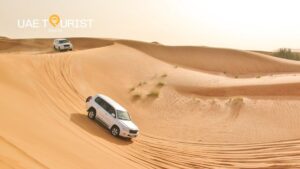
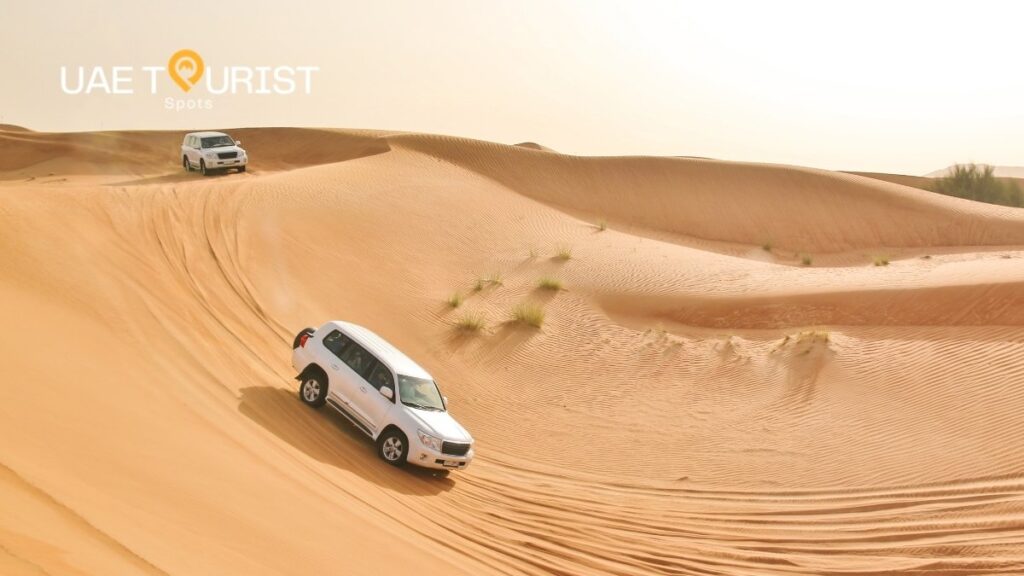
- Dune bashing: This is an off-road drive over sandy dunes in a 4×4. Wear shoes that are easy to get in and out of, and keep a light layer handy in case the air-conditioning feels cold. Follow the driver’s instructions and keep your seat belt fastened.
- Sandboarding: This means sliding down a dune on a board. Trainers or secure sandals are practical because they stay on while you walk up the sand. Some operators specifically recommend sports shoes for sandboarding.
- Camel riding: Trousers or longer shorts are generally easier for sitting astride a camel. Choose comfortable fabric that allows you to move freely, and follow the handler’s instructions when getting on and off.
- Dune buggy driving or riding: Wear closed-toe shoes, trousers and a top that covers your shoulders. Follow the operator’s equipment and clothing rules; one Visit Dubai listing, for example, says all guests must wear closed shoes.
| Option | Approx. starting price | Atmosphere and what it includes | Best for | Best time and practical tip |
| Shared afternoon safari | AED 190 | A group 4×4 trip focused on dunes, photo stops and activities such as sandboarding or a short camel ride. | Travellers looking for an active outing at a lower starting price. | Consider it in cooler months. Confirm whether dinner and transfers are included. |
| Morning safari | AED 208 | An early outing with activities such as a dune drive, camel ride or sandboarding; some tours include breakfast. | Early risers and visitors who prefer to finish before the evening. | Check the pickup time the day before and bring a hat and sports shoes. |
| Shared evening safari with dinner | AED 258 | A sunset trip followed by a camp visit, meal and, depending on the package, entertainment. | Couples, friends and families wanting a full evening experience. | Dress for both warm daylight and a cooler night. Check which activities are included. |
| Heritage overnight safari | AED 1,195 | A longer, higher-priced experience with a desert drive, dinner and an overnight stay. | Travellers who want more time in the desert and are comfortable with a larger budget. | Pack warmer clothes and confirm sleeping arrangements and transport details before paying. |
The listed fare is only a starting point. Private transfers, drinks, buggy rides and other extras may cost more or may not be included. Read the package details rather than assuming every safari includes the same activities.
Rules, Safety and Desert Etiquette
The UAE government advises visitors to dress modestly in public places and says loose-fitting clothes that cover the shoulders, arms and legs can be comfortable. You do not need a head covering for a desert safari. At the camp, follow the operator’s guidance and dress in a way that feels respectful and practical.
For safety, use a reputable tour operator and don’t drive into the desert on your own unless you have the right vehicle, equipment and experience. Visit Dubai warns that driving in sand can be hazardous without them. Keep your seat belt fastened during the 4×4 drive, and don’t stand on dunes or enter activity areas unless your guide says it is safe.
Check the operator’s age, child-seat and health requirements before booking. Some tours restrict participation for very young children, pregnant guests or people with certain medical conditions, but rules vary by operator and activity. Ask the company directly if you’re unsure.
Take photos respectfully. Ask before photographing guides, other guests or local residents. Never assume alcohol is available at a camp: it can only be served at licensed venues, usually hotels. Availability and restrictions can change, including during Ramadan or religious holidays. Sharjah and Ajman have stricter alcohol rules than Dubai, so check local requirements if your plans include those emirates.
Transport, Best Season and Suggested Budget
Transport and pickup
Many shared safaris include hotel pickup and drop-off in a 4×4, but coverage can depend on your location and package. Ask whether pickup is included, where the vehicle will meet you and how long the transfer may take. Some shared trips collect guests from several hotels, so the journey can take longer than the drive to the desert itself. One listed tour advises guests to confirm pickup details and be ready in the hotel lobby before the scheduled time.
If you’re staying outside Dubai, don’t assume the tour will collect you. Confirm the service area and any extra transfer charge before booking. Keep the operator’s message or voucher accessible on your phone.
Best season
Visit Dubai describes October to April as a popular period for outdoor activities, while safaris operate in different seasons and times of day. Morning and evening trips suit different preferences: a morning trip starts early, while an evening safari is built around sunset and the camp. In summer, ask about timing and current operating arrangements before you commit.
Suggested budget
For a standard shared outing, a practical starting budget is around AED 200–350 per person for the safari itself, based on published fares near AED 190–258. Set aside more for premium or overnight experiences, private transport and paid add-ons. Check what the listed fare includes, especially dinner, drinks, child seats and activities such as quad biking. Prices can change.
Simple Packing Checklist
Pack a small day bag with:
- Breathable clothes that can get dusty
- A light jacket for an evening or overnight trip
- Trainers or secure sandals; closed-toe shoes for buggy activities
- Sunglasses, a hat and sunscreen
- A phone or camera, kept secure from loose sand
- Any personal medication you may need
Keep valuables to a minimum and secure anything that could blow away. Before leaving, check your operator’s own packing advice and confirm whether water, meals and activity equipment are provided.
FAQs
What should I wear on a Dubai Desert Safari?
Wear light, comfortable clothes that you don’t mind getting sandy. Trousers or longer shorts work well for walking, camel riding and sitting at camp. Trainers or sandals with secure straps are practical. Add a jacket for a winter evening safari, and bring sunglasses, a hat and sunscreen for daytime sun.
Can I wear shorts on a desert safari?
Yes, comfortable shorts can work in hot weather, especially for a morning trip. Longer shorts may be more practical for sitting on a camel or moving around camp. Loose trousers are a useful option if you want more sun coverage or are visiting in the cooler months.
Are flip-flops suitable for a desert safari?
Flip-flops may be uncomfortable in soft sand and can come off while walking. Trainers or sandals with secure straps are a better choice for most activities. If your booking includes dune buggy driving, check the operator’s rules because some require closed-toe shoes.
Should I bring a jacket for an evening safari?
Bring one from around October to March, especially if the itinerary includes a long outdoor dinner or an overnight stay. The desert can feel cooler after sunset than the city. If you’re travelling in another season, check the forecast and ask the operator whether the camp is outdoors.
Is there a dress code for women on a Dubai Desert Safari?
There is no special head-covering requirement for a safari. Comfortable, non-transparent clothing is a sensible choice, and many visitors prefer tops that cover their shoulders and trousers or a longer skirt. Choose practical clothes if you plan to ride a camel, board down a dune or drive a buggy.
What should children wear on a desert safari?
Dress children in light clothes that cover enough skin for sun protection, plus comfortable shoes that won’t easily come off. Pack a warmer layer for an evening trip. Check age limits, child-seat requirements and activity rules with the operator before booking, as these differ between tours.
Can I wear a dress on a desert safari?
A knee-length dress can work for a relaxed camp visit in warm weather. If your tour includes camel riding, dune bashing stops or buggy activities, trousers or longer shorts are often easier to move in. Choose a style that won’t drag through sand or catch in equipment.
Conclusion
For a comfortable Dubai Desert Safari, choose breathable clothes, secure footwear and sun protection, then add a warm layer for a winter evening. Check the activity rules, pickup details and package inclusions before you book. For more UAE planning, explore our Ajman Night Clubs Guide and the related guides suggested below.